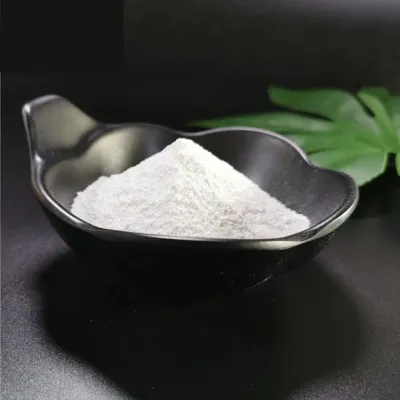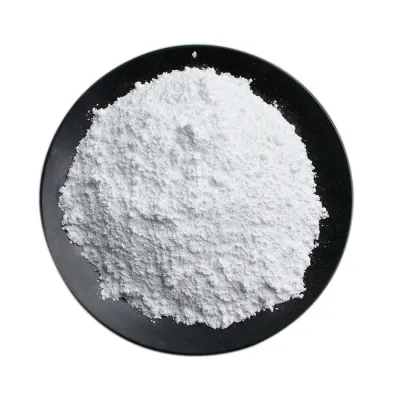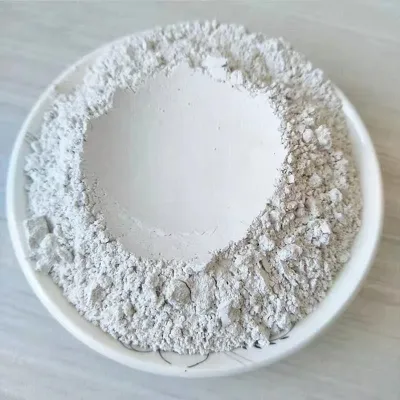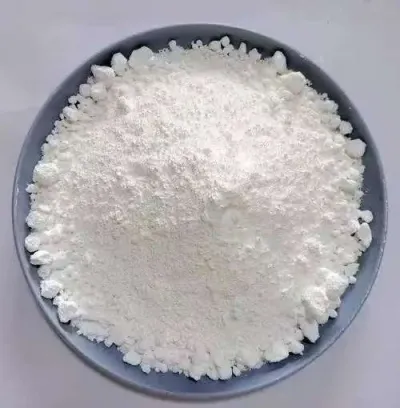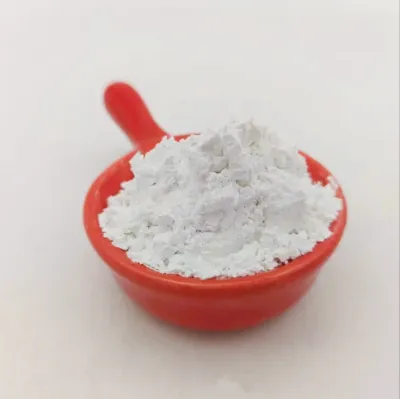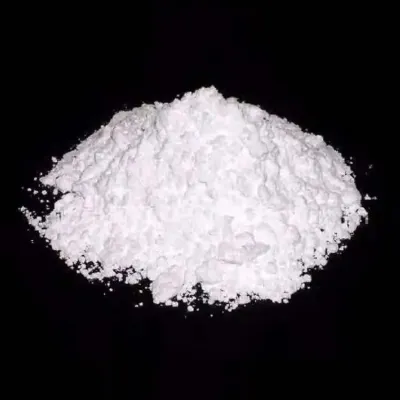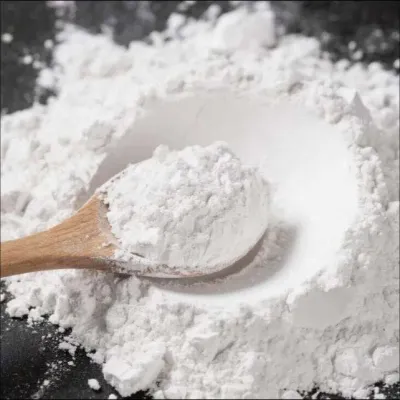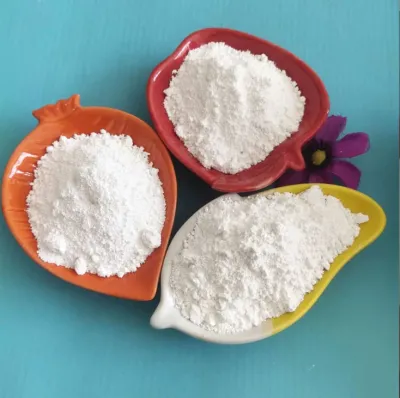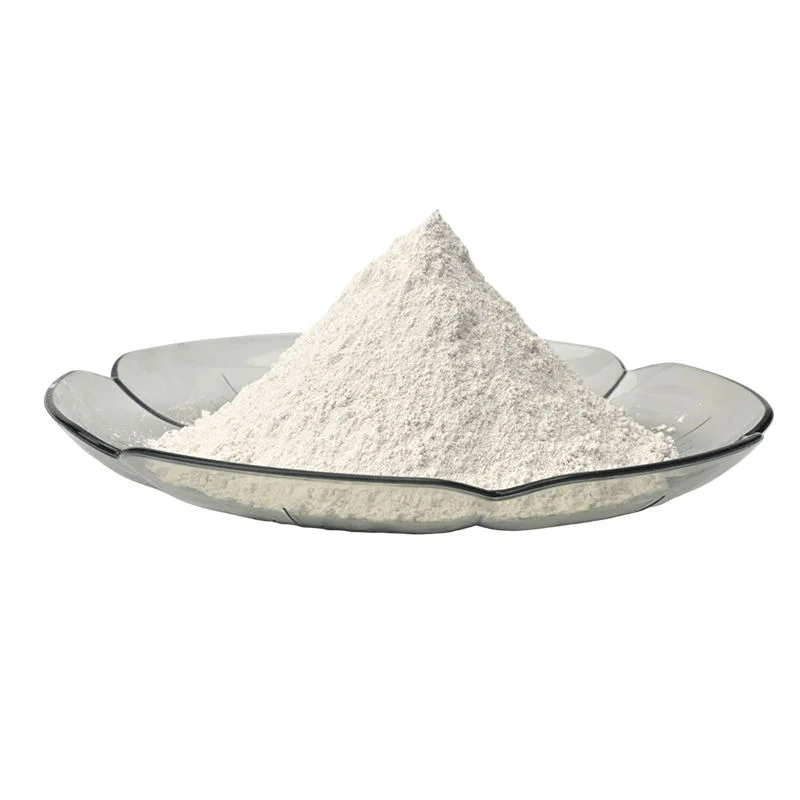
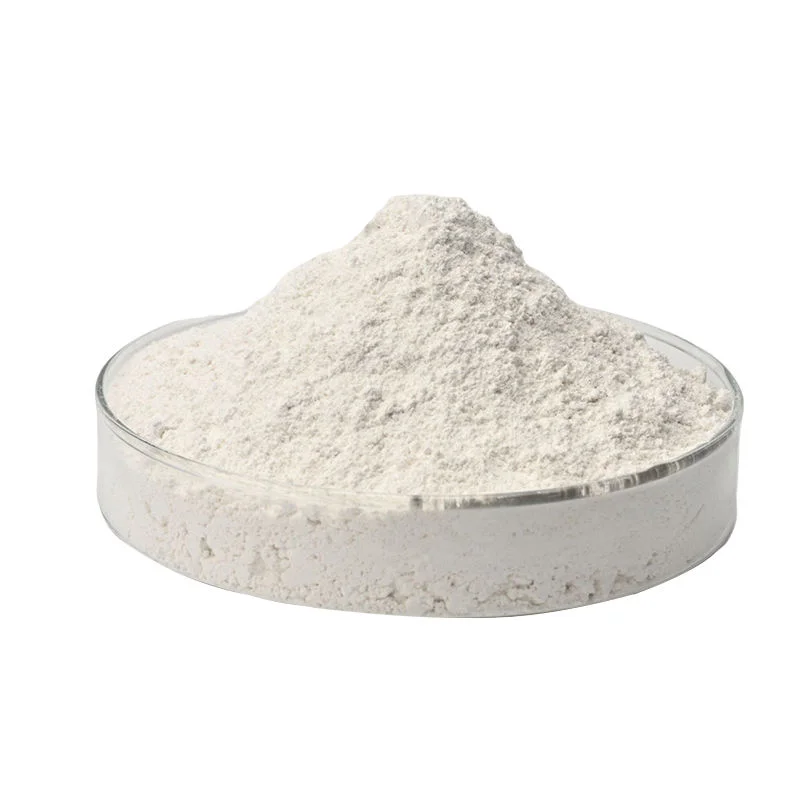
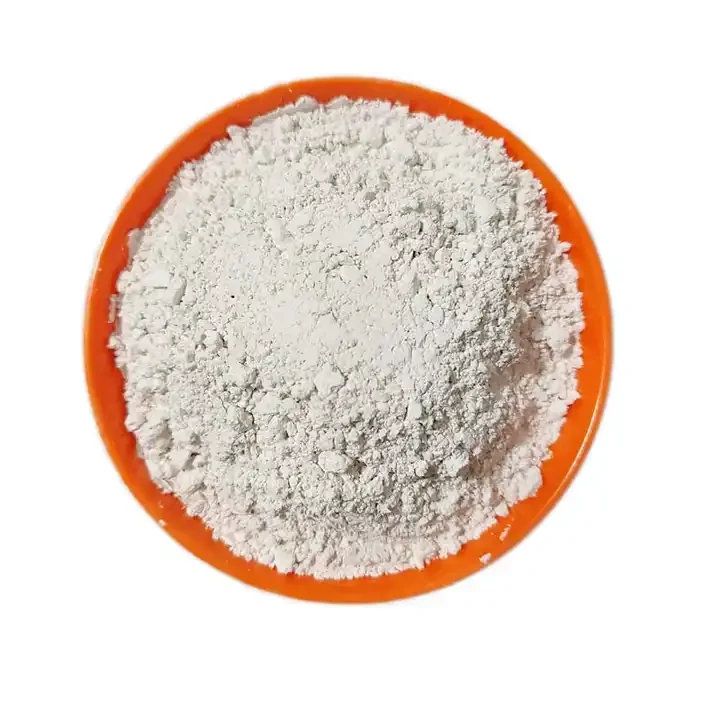
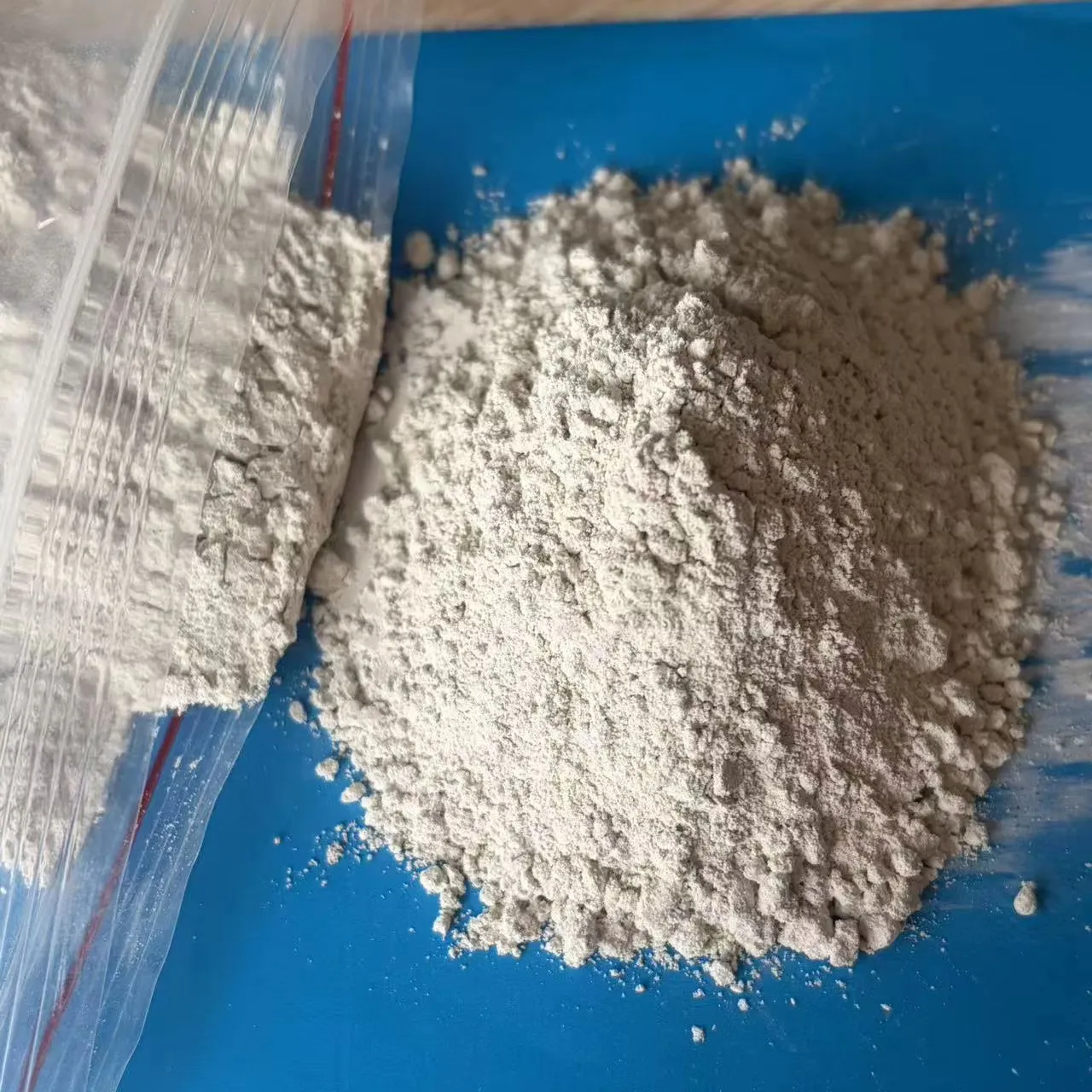
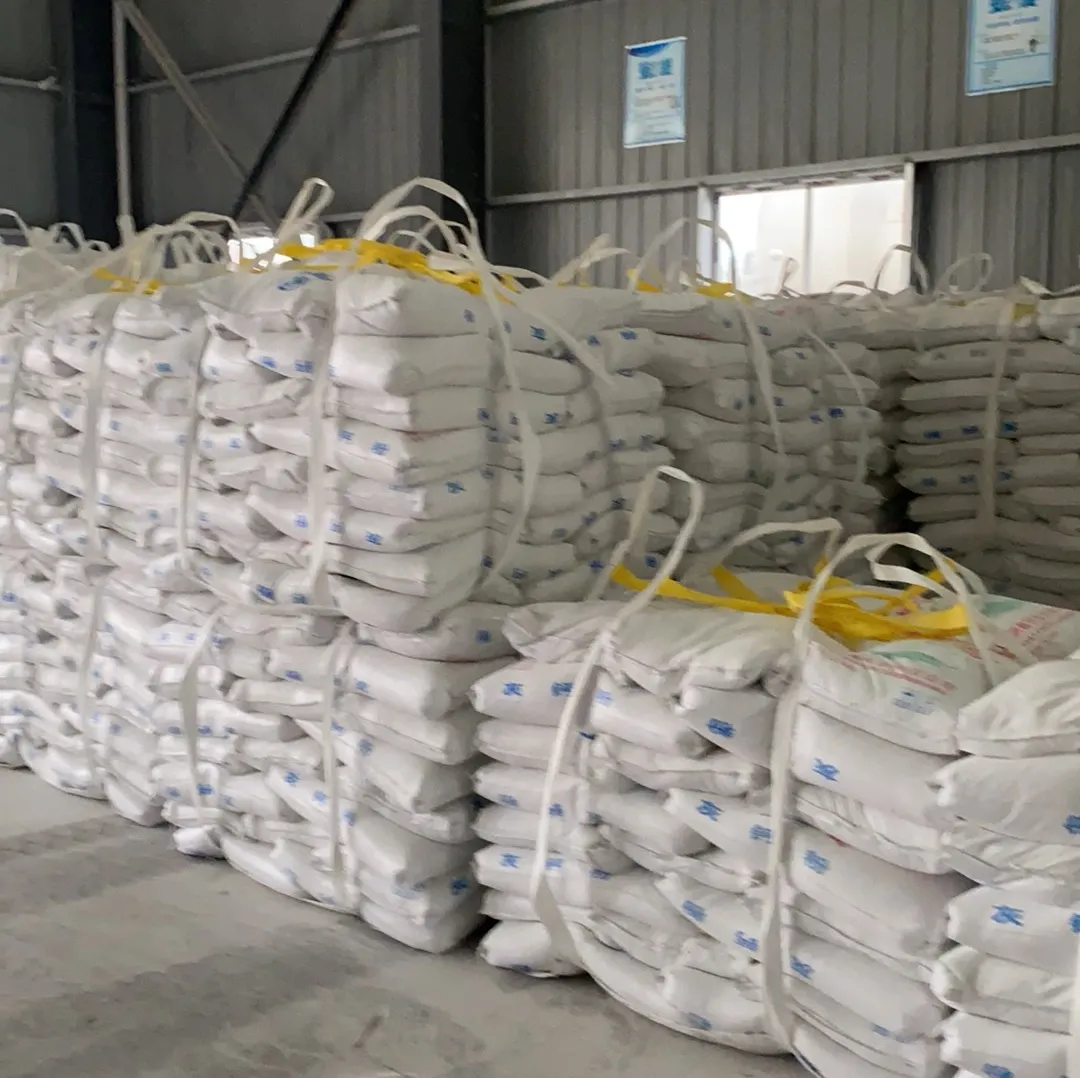
600 Mesh Hydrated Lime Calcium Hydroxide Powder for Putty, Latex Paint and Architectural Coatings
-
Particle-size designationMesh designationColorWhite
-
Physical formPowder
-
CAS No.1305-62-0Purity90-93%
-
Appearancewhite powderApplicationArchitectural Coatings,Paint & Putty
-
ClassificationCalcium HydroxideEINECS No.215-137-3
-
Grade StandardIndustrial GradeMolecular FormulaCa(OH)2
-
Other Namesslaked lime
A wall-putty or latex-paint comparison should begin with the finish your formulation must achieve. This industrial calcium hydroxide white powder provides a 600-mesh hydrated-lime candidate with a stated 90-93% purity range. Architectural coatings, paint and putty are the identified application families.
Compare a fineness designation with the surface you need
The 600-mesh description is a useful enquiry reference, but it is not a complete particle profile. Request the proposed grade's particle distribution and measurement basis. Use those results to plan the formulation trial instead of assuming that a mesh label guarantees a smooth surface.
Keep the binder question beside the lime assay
The 90-93% purity range describes chemistry, while binder compatibility is a separate formulation question. Ask which batch assay applies to the sample and which impurity limits accompany it. Then evaluate the material within the intended putty or latex-paint system using agreed acceptance tests.
Identify the hydrated lime before comparing samples
The material is calcium hydroxide, Ca(OH)2, also called slaked lime, with supplied CAS 1305-62-0. It is an industrial-grade white powder. Keeping this identity attached to the sample documents helps a buyer compare the intended material rather than powders selected only because they look similar.
For the technical enquiry, describe the coating application, the binder system and the surface criteria that matter. The most useful next evidence is a grade-specific particle report together with batch analysis and formulation results. Dispersion, adhesion and finished appearance should be conclusions of that evaluation, rather than promises inferred from the product's fineness wording.