
Choose Materials Around Your Application
Start with the product you make or the process you operate. We organise the catalogue into distinct application routes, then connect each route to the material, grade data and evaluation that matter to you.
Coatings and Inks Start with the Required Finish
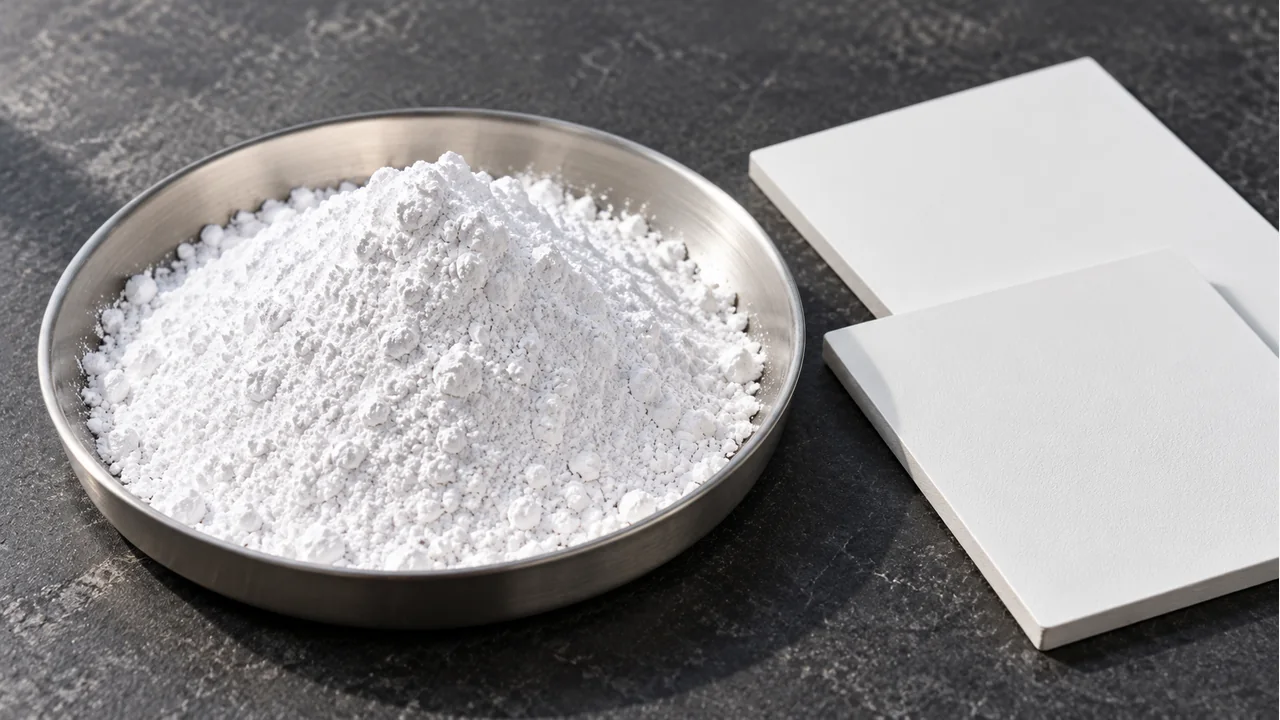
Use calcium carbonate for a filler discussion, barium sulfate for a separate extender comparison and rutile titanium dioxide for the white-pigment brief. For example, XM-PB06 lists D50 0.5–0.7 μm and D97 1.8–2.5 μm. Compare that powder profile with your binder, gloss and surface requirements.
Plastics and Rubber Need a Defined Formulation
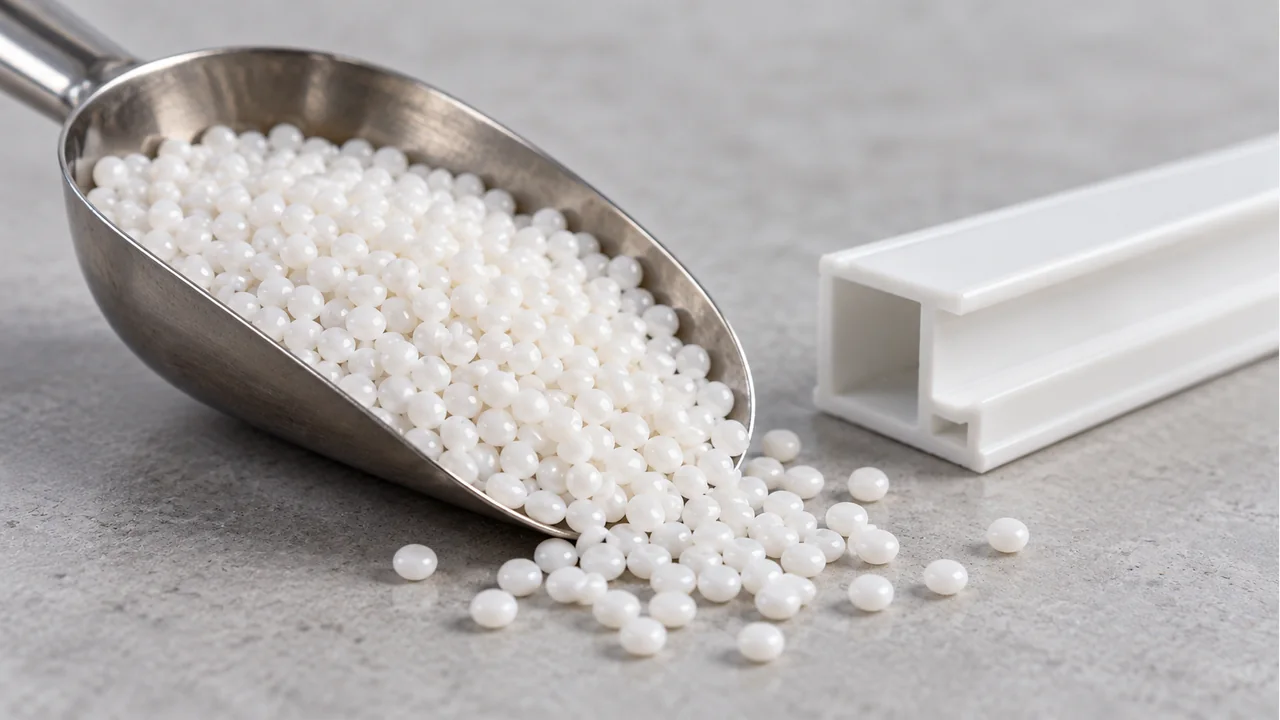
Separate carbonate powder for compounding from finished filler-masterbatch pellets. Then state the carrier or resin, filler loading and mechanical or appearance limits. Our rigid-PVC, masterbatch and sealant routes use different briefs because the same mineral name does not identify the same formulation decision.
Ceramics and Glass Begin with Chemistry
Define the mineral role, required chemistry and impurity limits before selecting kaolin, quartz or another listed raw material. Keep the particle requirement and firing or melting conditions with the enquiry. Raw-powder colour and a ceramic or glass result are different measurements.
Chemistry
Identify the main components and the impurities relevant to the intended body, glaze or glass.
Particle condition
Agree distribution or grading, moisture and any preparation requirement.
Thermal process
State the actual firing or melting context and the finished-material tests.
Candidate review
Use the relevant material analysis and representative process evaluation to judge the proposed grade.
Water Treatment Follows the Actual Stream
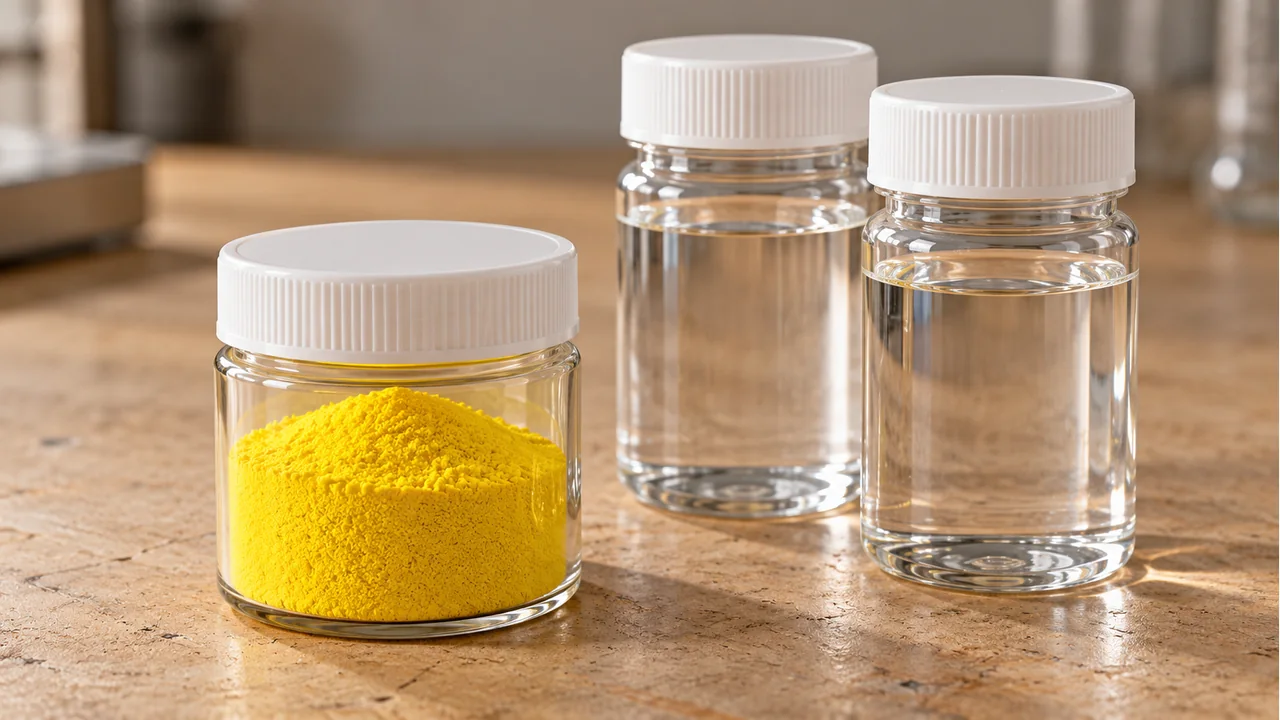
PAC, lime, sodium acetate and filter media serve different treatment roles. Begin with the stream and the target rather than choose a chemical by a headline percentage. For PAC, keep Al2O3 content and measured basicity separate, then review representative water-trial results.
Cleaning Materials Follow the Formulation Role
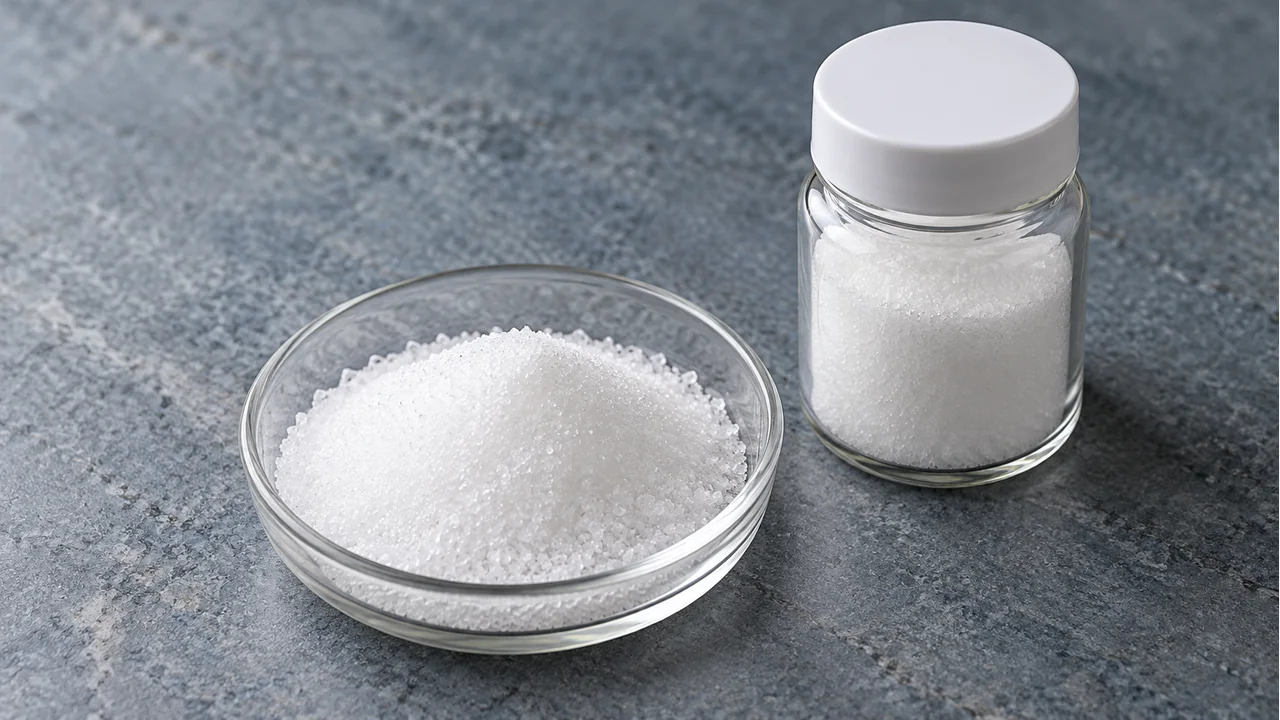
An alkaline builder, an acid raw material, a process salt and a surfactant are separate purchasing decisions. State the exact material, concentration or hydration form and the intended formulation. We review the actual grade and process requirements before a sample comparison.
Surface Treatment Uses Compound-Specific Criteria
For nickel and cobalt compounds, give the exact compound and process role. Metal content, compound assay and hydration state describe different parts of the specification. An industrial listing alone does not establish battery-grade suitability.
Turn the Application into a Clear Brief
Use the Right Supporting Route
Discuss Your Material Requirement
Send us the application and the details your team needs to protect. We manufacture calcium carbonate in China and handle wider industrial-material enquiries, with the proposed supply scope confirmed for each material.
Qingdao Relia Industries Co., Ltd. · [email protected]
10 / 10