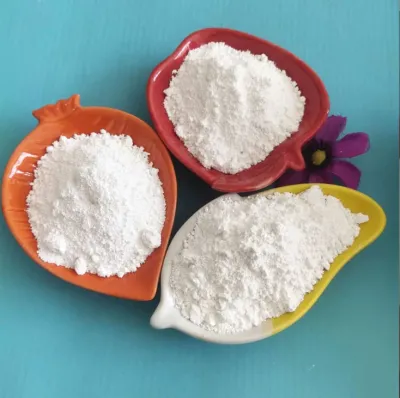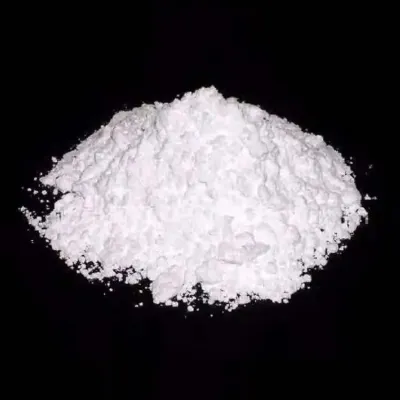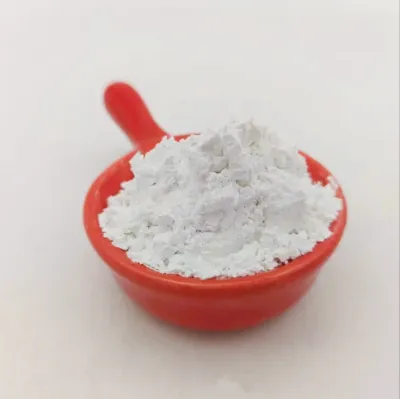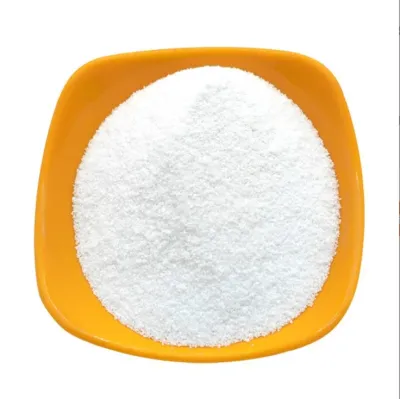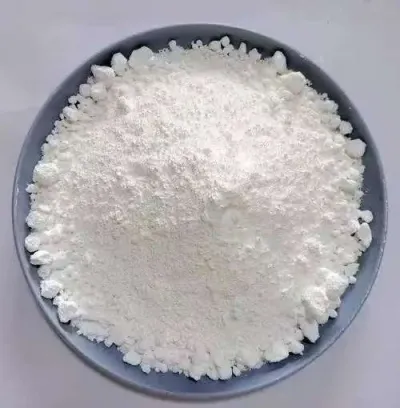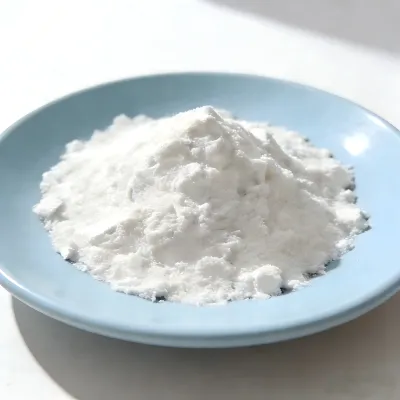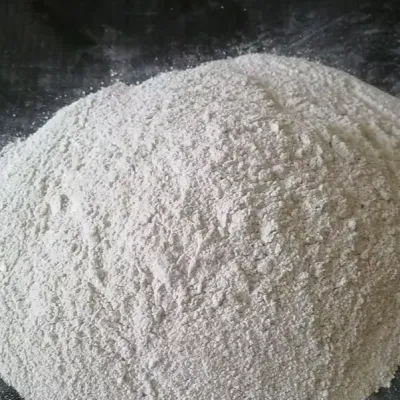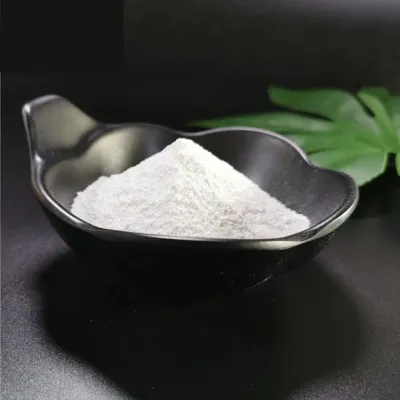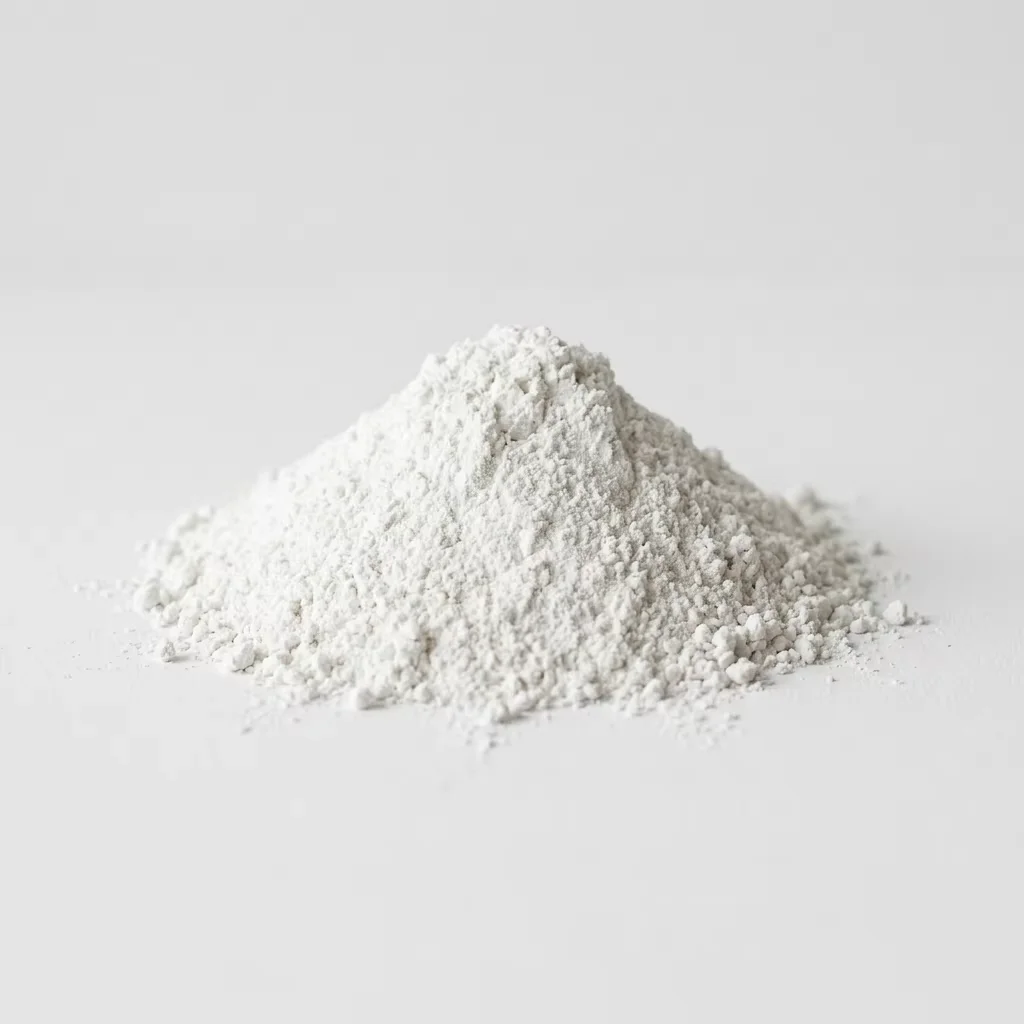
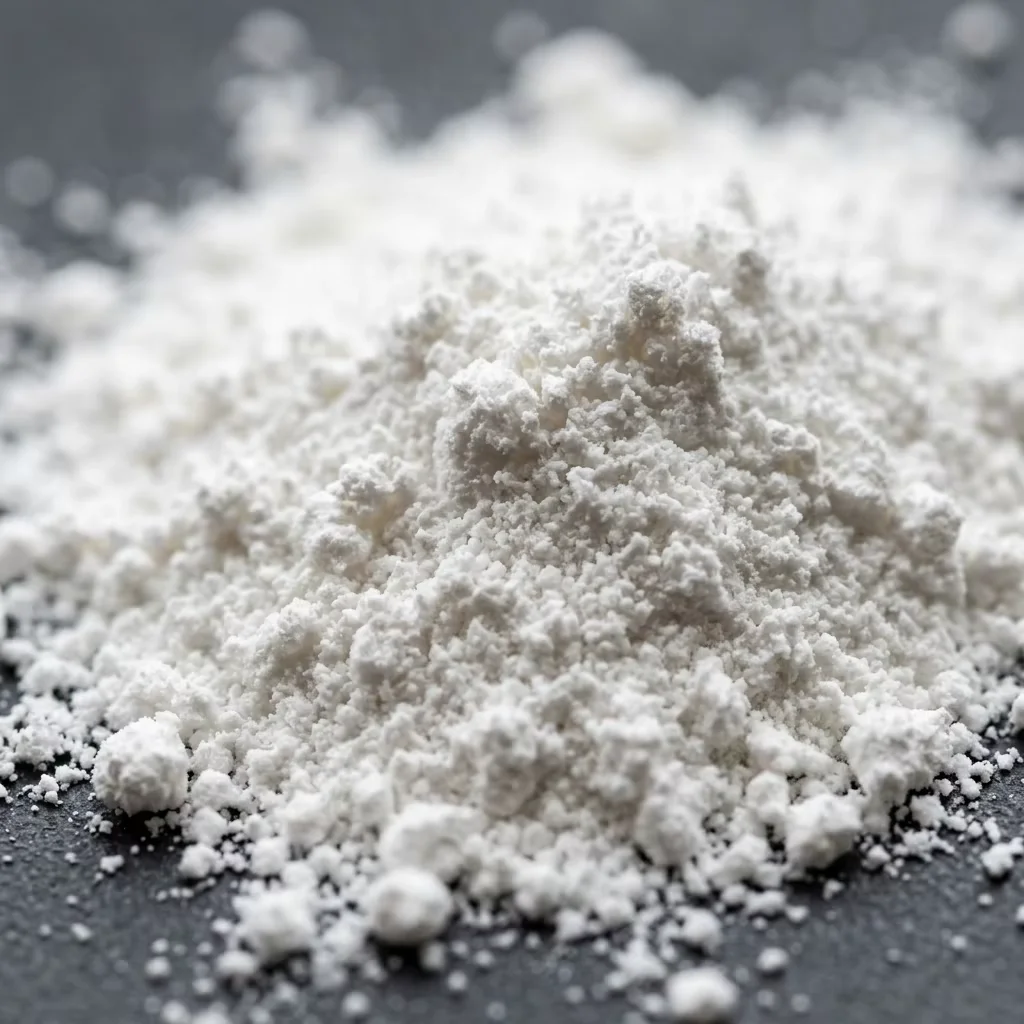
Calcium Hydroxide Ca(OH)2 Hydrated Lime Powder 96% Min, 5um Designation for Industrial Plastic Heat-Stabilizer Assessment
-
Physical formPowder
-
CAS No.1305-62-0Purity≥96%
-
EINECS No.215-137-3Molecular FormulaCa(OH)2
-
ClassificationChemical Auxiliary AgentUsagePlastic Auxiliary Agents
-
Other NamesSlaked LimeTypeHeat stabilizer
Define the thermal acceptance criteria for the intended plastic compound before comparing a heat-stabilizer candidate. This industrial calcium hydroxide powder, Ca(OH)2 hydrated or slaked lime, has stated purity ≥96% and a 5um fineness designation.
Clarify what the fineness number represents
Ask for the measurement basis behind the 5um designation and a particle report linked to the actual sample. It should not be assumed to mean D50, a maximum particle size or a complete distribution.
Request the current assay and technical sheet alongside that report. This lets the chemical acceptance review and the physical comparison refer to the same proposed material.
Test the role within the actual compound
The plastic heat-stabilizer role needs evaluation in the intended formulation. Have the responsible technical team define the representative assessment and the criteria used to judge the finished compound.
- Identify the plastic system and the thermal question being assessed.
- Agree the relevant measurements and acceptance criteria.
- Record the sample identity with the compound evaluation results.
Neither the chemical name nor the fineness designation establishes stabilizing efficiency or compatibility with every polymer. Processing temperature and addition level require their own qualified assessment.
Keep the selection grounded in matched evidence
Review the safety data sheet and any application-specific requirements before choosing the powder. Ask for supporting evidence wherever the formulation needs additional chemical or physical limits.
Compare the actual sample against the agreed criteria using its analysis, particle data and compound trial. This supports a material decision without turning a proposed auxiliary role into a guaranteed thermal benefit.