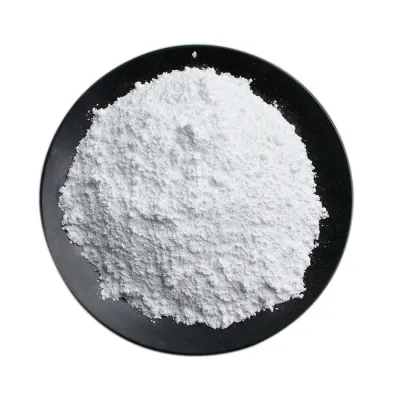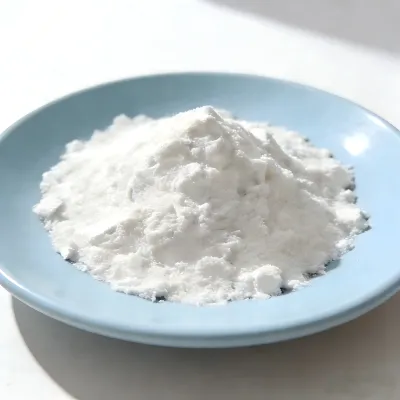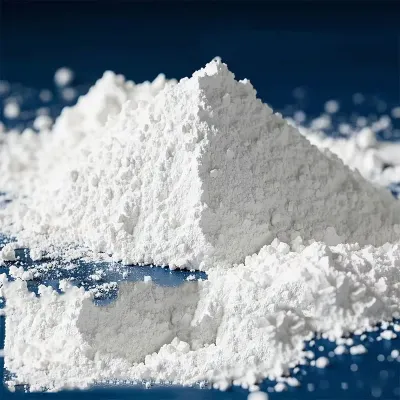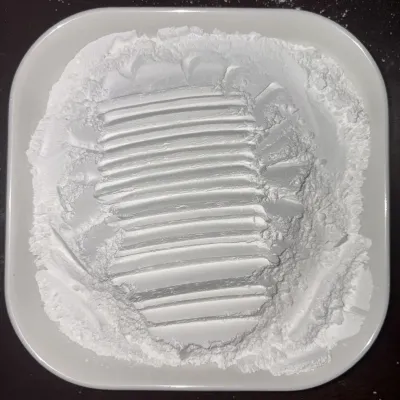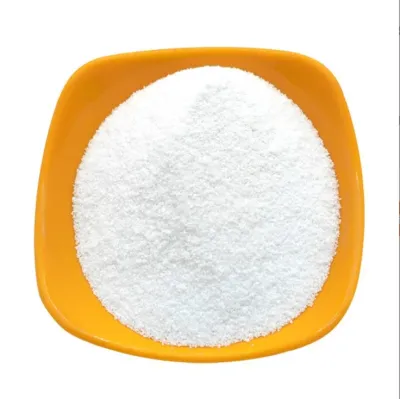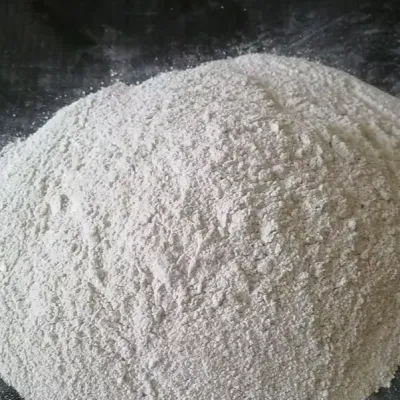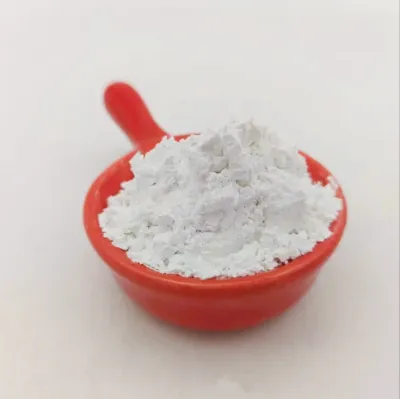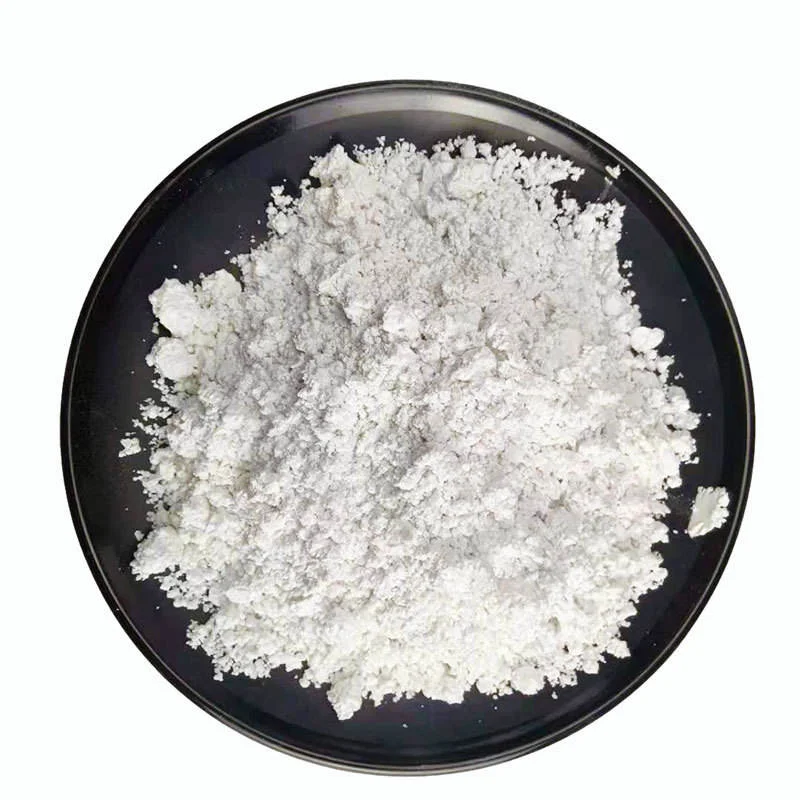
GCC Heavy Calcium Carbonate CaCO3 96% Powder, 600–3000 Mesh, for Paint, Coating and Paper
-
Particle-size designationMesh designationColorWhite
-
Physical formPowder
-
CAS No.471-34-1Purity96%
-
Appearancewhite superfine powerApplicationPaint, Plastic, Rubber, Paper Making, Building
-
ClassificationCarbonateEINECS No.207-439-9
-
Grade StandardIndustrial GradeMolecular FormulaCaCO3
-
Other NamesActivated Calcium CarbonateTypeCalcium Carbonate
Selecting a calcium carbonate filler begins with the actual grade and formulation requirements. This industrial CaCO3 powder carries GCC and heavy designations, is described as white and superfine, and has stated purity 96%.
Choose among the seven actual mesh options
The mapped options are 600, 800, 1250, 1500, 2500, 2800 and 3000 Mesh. Identify the required option during enquiry, then request measurements for that grade rather than assuming every particle property from the mesh name.
Compare measured size and optical data on a common basis
Mesh labels do not provide D50 or D97 results. Obtain method-defined particle-distribution data and, where the application needs them, whiteness or other optical measurements, with current assay and relevant impurity results for the offered sample.
- Particle questions
- Which measured distribution and powder properties meet the actual formulation requirements?
- Treatment questions
- Is surface treatment present, and which actual-grade documentation identifies its nature?
Evaluate the chosen powder in the intended formulation
The application directions cover paint and coatings, plastics, rubber, papermaking and building materials. Assess the proposed grade in the actual formulation; the superfine description does not establish dispersion, optical improvement or finished-product performance.
Clarify any surface treatment and review current technical and safety information before accepting a sample for trials. Keep the selected mesh model with the measured powder data and formulation observations, so grade comparison reflects the material actually tested rather than a presumed activation treatment or unmeasured whiteness advantage.