GLT-030 Calcined Kaolin Clay for Ceramics, Porcelain and Paint, Industrial Powder
-
ColorWhitePhysical formPowder
-
Al2O3 Content (%)42.8%Fe2O3 Content (%)0.21%
-
K2O Content (%)0.045%Moisture Content (%)0.08%
-
SiO2 Content (%)55.6%TiO2 Content (%)0.45%
-
Model NumberGLT-030ApplicationCeramic
-
Dimensions325-6000meshTechniqueCalcined Kaolin
-
TypePowderProduct nameKaolin Clay
-
UsageIndustrialSize300-6000mesh
-
MOQ1 TonColorWhite
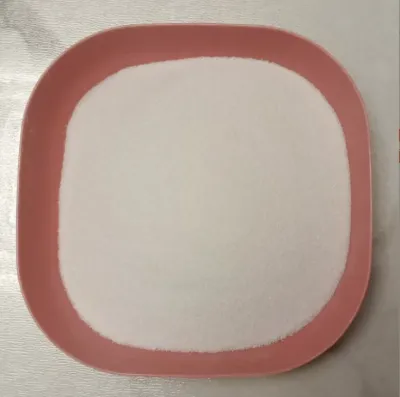
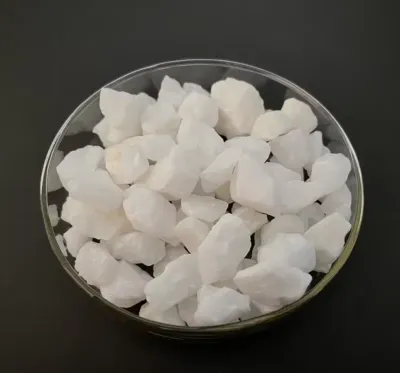
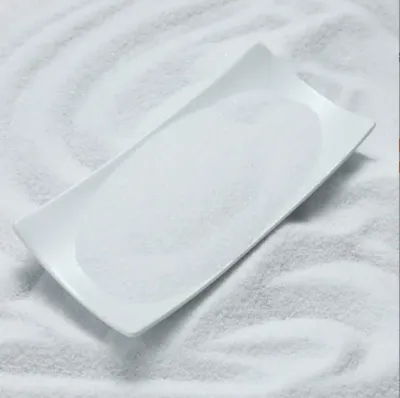
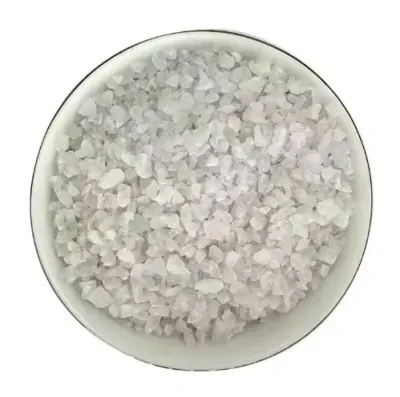
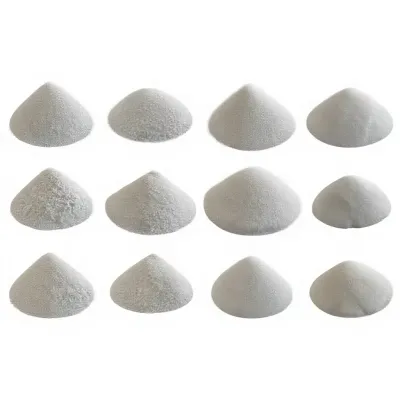
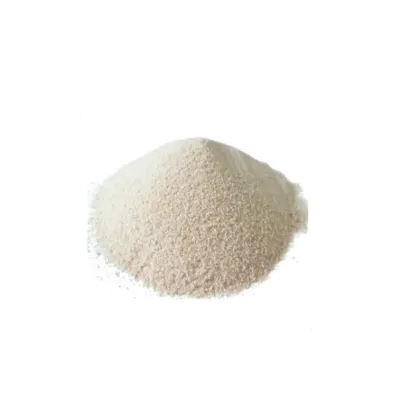
An oxide-led comparison can help define a ceramic kaolin enquiry before a recipe trial begins. GLT-030 is a white industrial calcined kaolin clay powder with stated Al2O3 content of 42.8%, SiO2 content of 55.6% and moisture content of 0.08%. Ceramic use is explicitly named.
Read the GLT-030 oxide profile as a whole
The stated analysis also includes Fe2O3 at 0.21%, K2O at 0.045% and TiO2 at 0.45%. Compare these constituents with the requirements of the intended ceramic or porcelain recipe. No individual oxide figure establishes a particular firing colour, body behaviour or finished-product result by itself.
Agree on the actual particle grade
Ask for the specific particle range proposed for the GLT-030 sample and its measurement method. Keep that confirmed specification with the technical enquiry before comparing candidates. A broad mesh description should not be treated as a measured median particle size or a universal ceramic processing limit.
Define the whiteness option's measurement scale
The selectable whiteness option is given as ≥95. Request its scale, reference and test method before comparing the number with another report. Distinguish the powder measurement from the appearance of a fired ceramic or a completed paint formulation.
Evaluate the intended recipe and process
Use the selected sample in the project's own recipe and firing conditions, with agreed acceptance criteria. Paint enquiries require a separate binder-specific evaluation. Obtain current analysis and keep the oxide, moisture, particle and whiteness documents associated with the material actually used in the comparison.