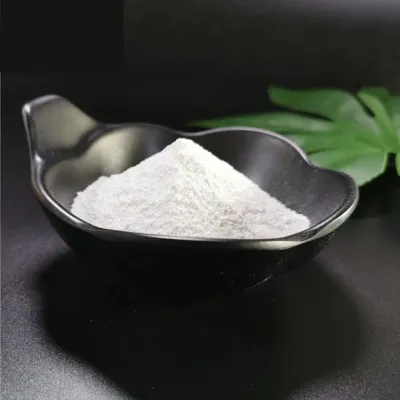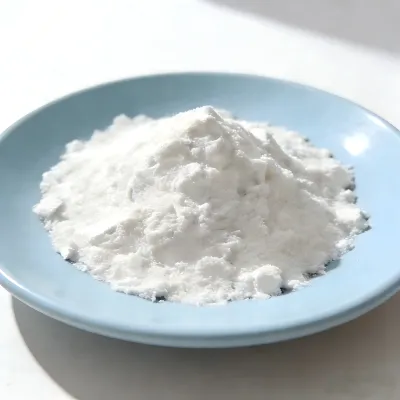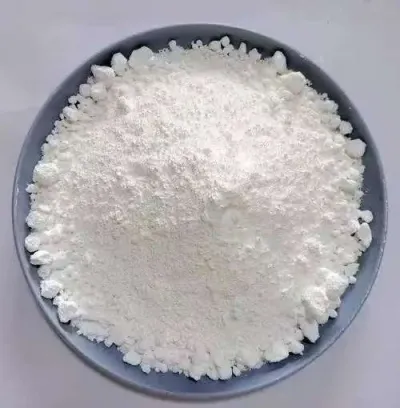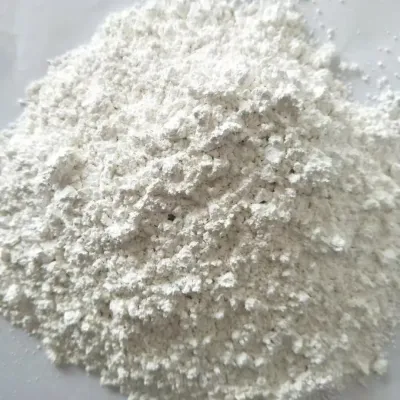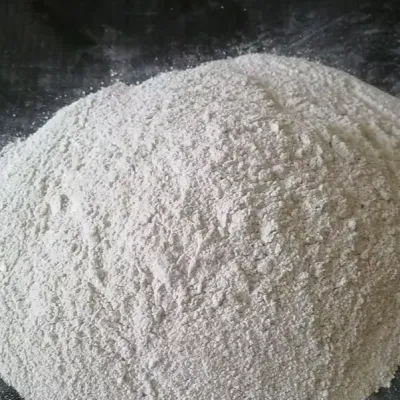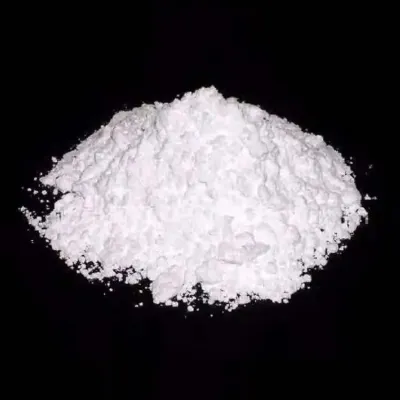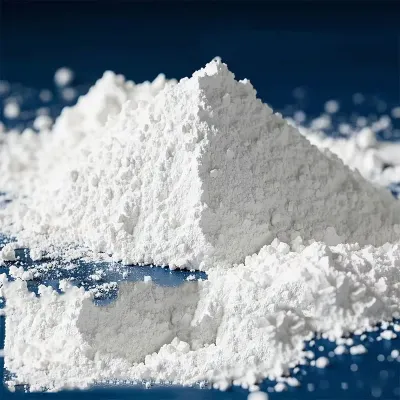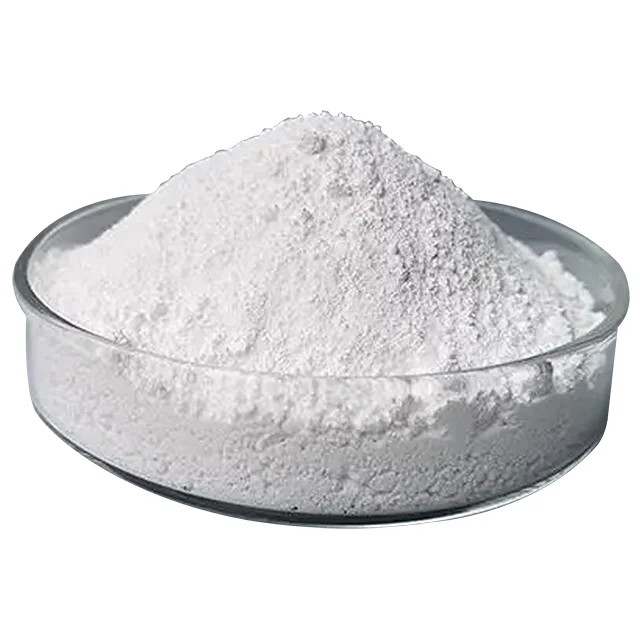
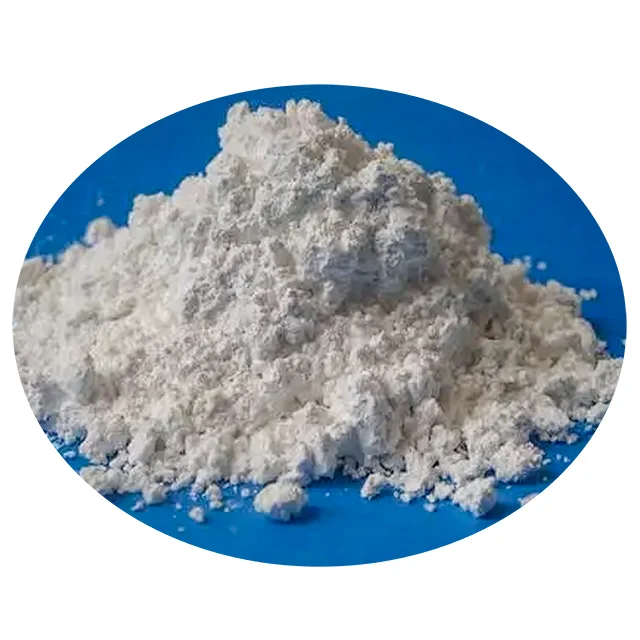
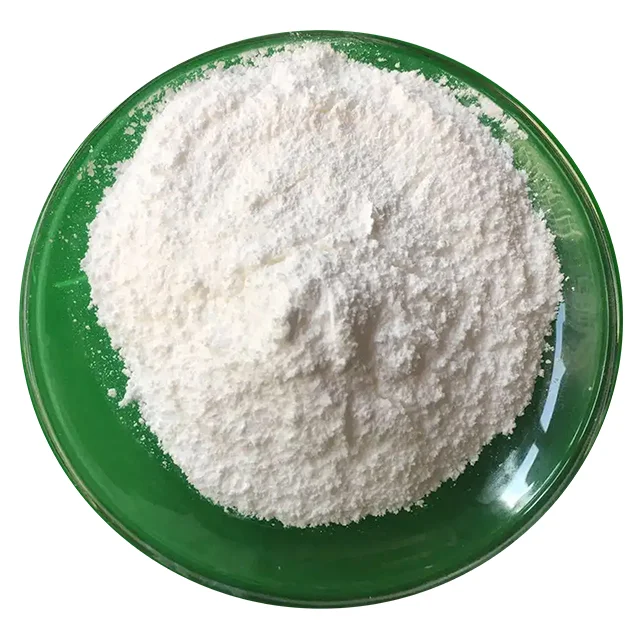
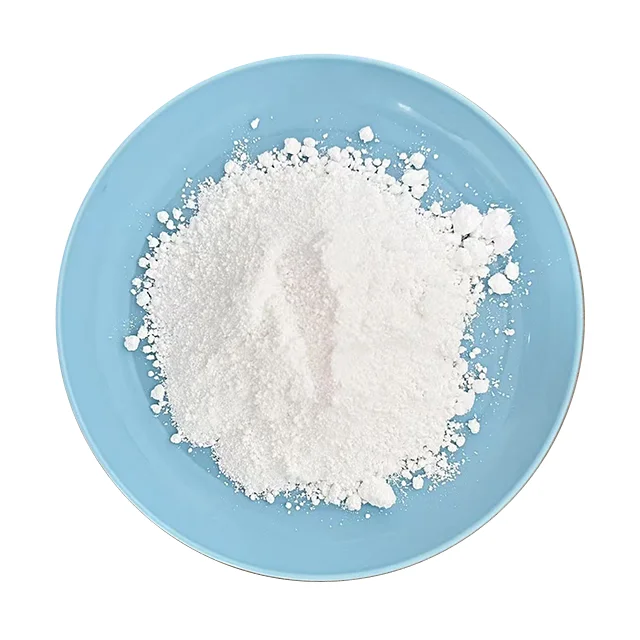
Industrial Barium Sulphate BaSO4 White Powder 98% Min for Paint and Powder-Coating Material Trials
-
ColorWhitePhysical formPowder
-
CAS No.7727-43-7Purity98%min
-
Appearancewhite powderApplicationpaint,printing inkling,rubber
-
ClassificationSulphateEINECS No.231-784-4
-
Grade StandardIndustrial GradeMolecular FormulaBaO4S
-
Other NamesbaritopgpowderTypeBarium Sulfate
-
CAS7727-43-7Melting point1580 °C
-
Boiling pointdecomposes at 1580℃ [KIR78]density4.5
-
solubilitywater: insoluble
Paint and powder-coating material comparisons need more than a chemical name and a white appearance. This industrial barium sulfate is described as white powder with 98% minimum purity and water insolubility, with BaSO4 stated in the title.
Define the actual coating material requirements
Specify the formulation and the chemical and powder limits used for acceptance. Request current assay and particle-distribution evidence for the offered grade, without assuming a natural or precipitated material designation from the general barium-sulfate identity.
Ask for whiteness and dispersion measurements separately
White-powder appearance is not a quantified whiteness or dispersion result. Identify the methods and sample conditions required by the project, then compare actual measurements with the accepted coating criteria rather than treating the purity figure as a finish-performance guarantee.
- Chemical comparison
- Current assay and required impurity measurements for the actual grade.
- Formulation comparison
- Particle, whiteness and dispersion evidence alongside a relevant paint or powder-coating trial.
Evaluate the material under the intended formulation conditions
A stated paint or powder-coating direction does not establish a cure condition or a finished-surface advantage. Rubber is another listed material direction, with its own qualification requirements and trial evidence rather than an assumption of shared performance.
Request current technical and safety information and appropriate sample records that identify the offered grade. Keep the powder measurements and actual formulation observations together, so the purchasing decision answers the project’s chemical, dispersion and finish questions without an inferred production origin or unsupported processing instruction.