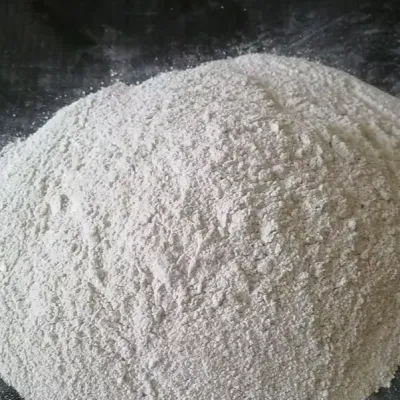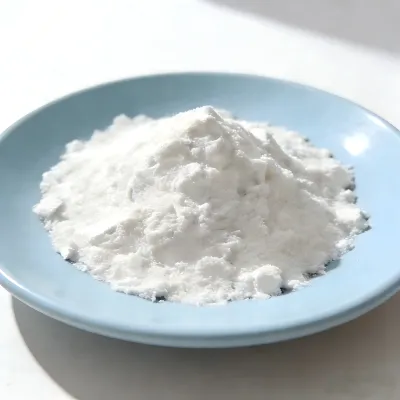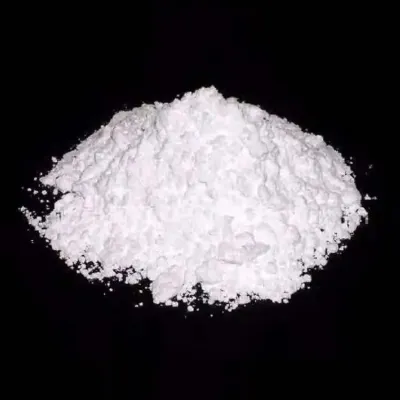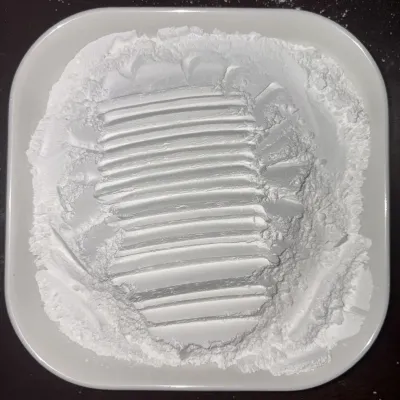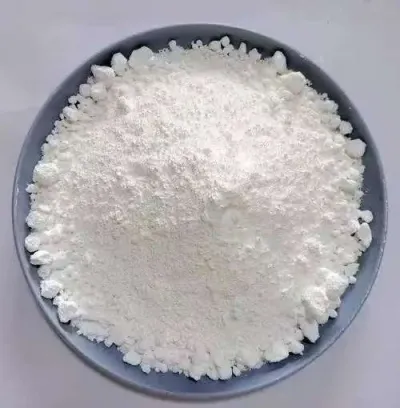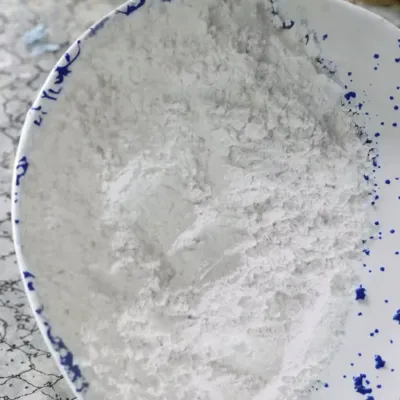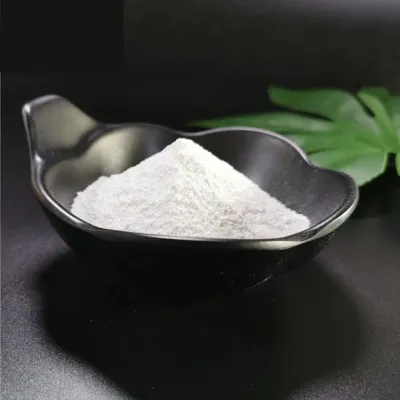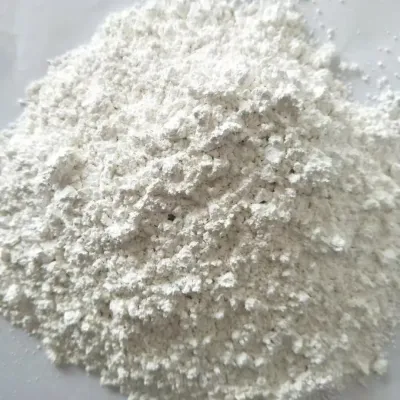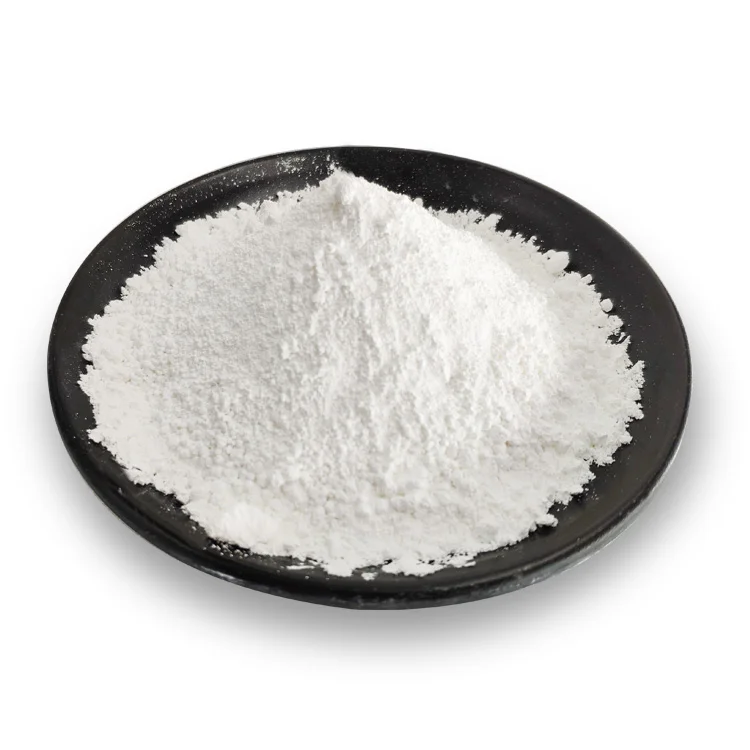
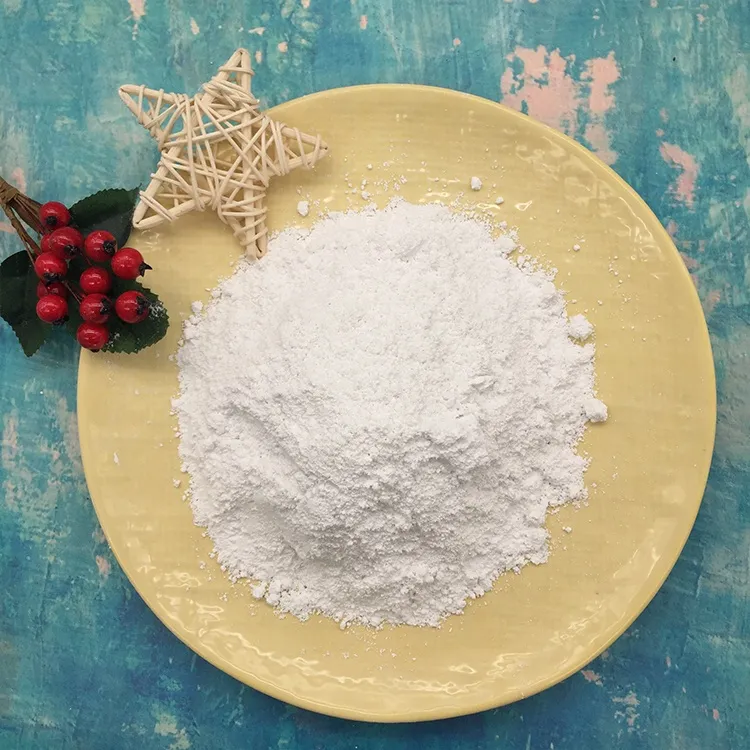
Industrial Calcium Carbonate CaCO3 Powder, 98.5% Purity, for Plastic, Rubber and Paper Trials
-
Particle-size designationAverage size specifiedColorWhite
-
Physical formPowder
-
CAS No.471-34-1Purity98.5%
-
AppearanceWhite PowderApplicationIndustrial grade
-
ClassificationCarbonateEINECS No.207-439-9
-
Grade StandardIndustrial GradeMolecular FormulaCaco3
-
Other Namescalcium carbonateTypeCalcium Carbonate
-
Model NumberXM-300Product namecalcium carbonated powder caco3 carbonate
-
HS code28365000GradeIndustrial Grade
-
CertificateISOUsagePlastic,rubber,paper making
-
D9718Whiteness97
-
ph9+-1Loss on ignition43.5
-
Average particle size5
A calcium carbonate enquiry should identify the actual grade before comparing processing results. This white industrial powder has stated purity of 98.5% and pH of 9±1. Plastic, rubber and papermaking are its named application directions for further material evaluation.
Define the polymer or paper role
Describe where the powder would enter the intended process and which properties determine acceptance. Ask for confirmation of the grade model associated with the proposed sample. A chemical name and purity figure do not establish a complete mineral specification for every formulation.
Build a complete particle comparison
Request particle units, the measured distribution and the method used for each size statistic. Keep an average-size result distinct from an upper-distribution measurement when reviewing the report. A model label should not be treated as a verified mesh grade without the relevant specification.
Review pH alongside current analysis
Confirm the preparation and method supporting the stated pH of 9±1. Obtain current composition data and any whiteness or ignition-test information required by the project. These measurements should be compared on their own analytical bases rather than merged into a general quality assumption.
- Identify the actual grade and intended material role.
- Agree on the analytical and particle requirements.
- Test the sample in the selected polymer or paper process.
Keep the final decision traceable
Retain the sample identity, current reports and application results together. Request any applicable certificate scope separately before completing the material acceptance review.