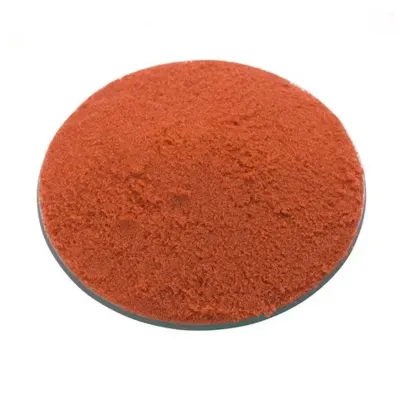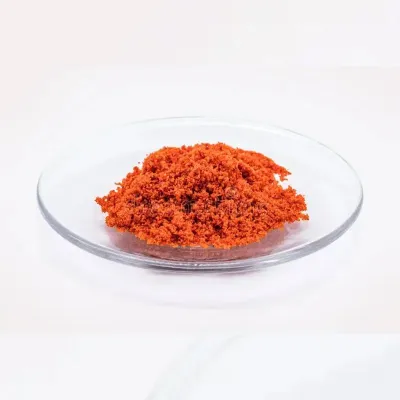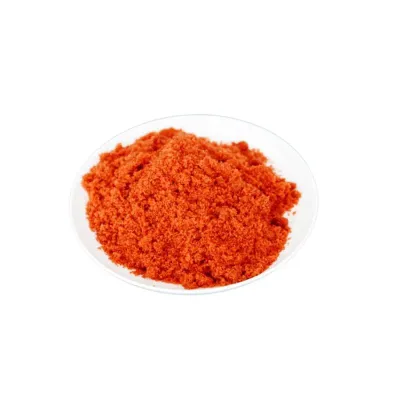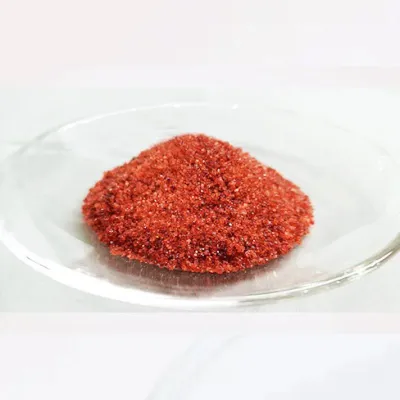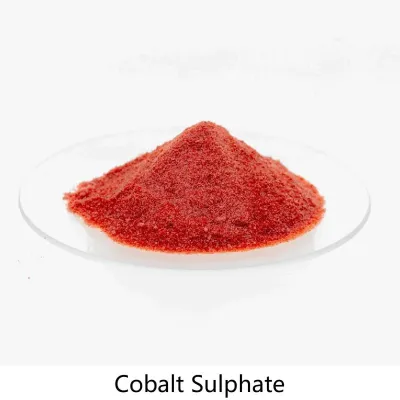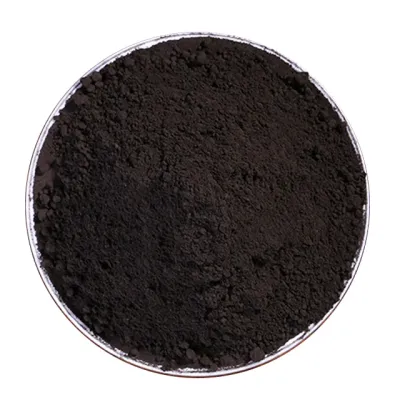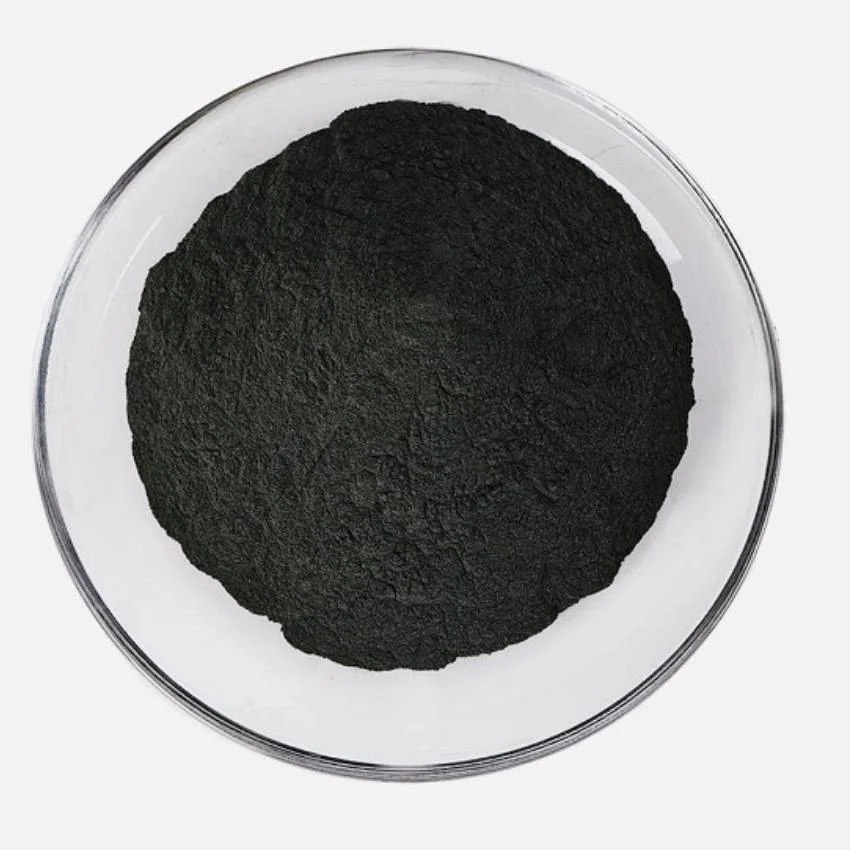
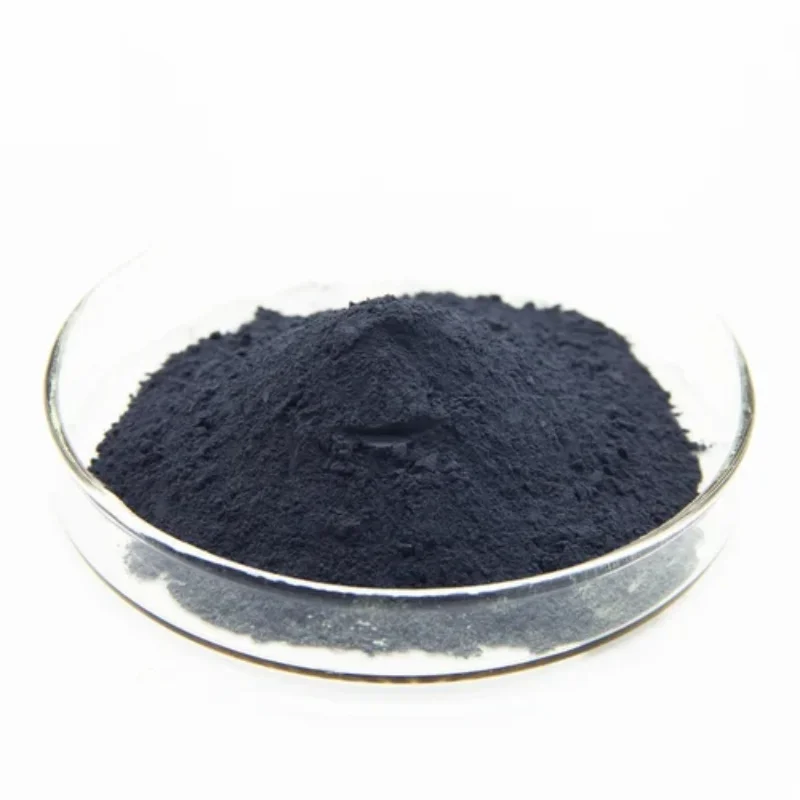
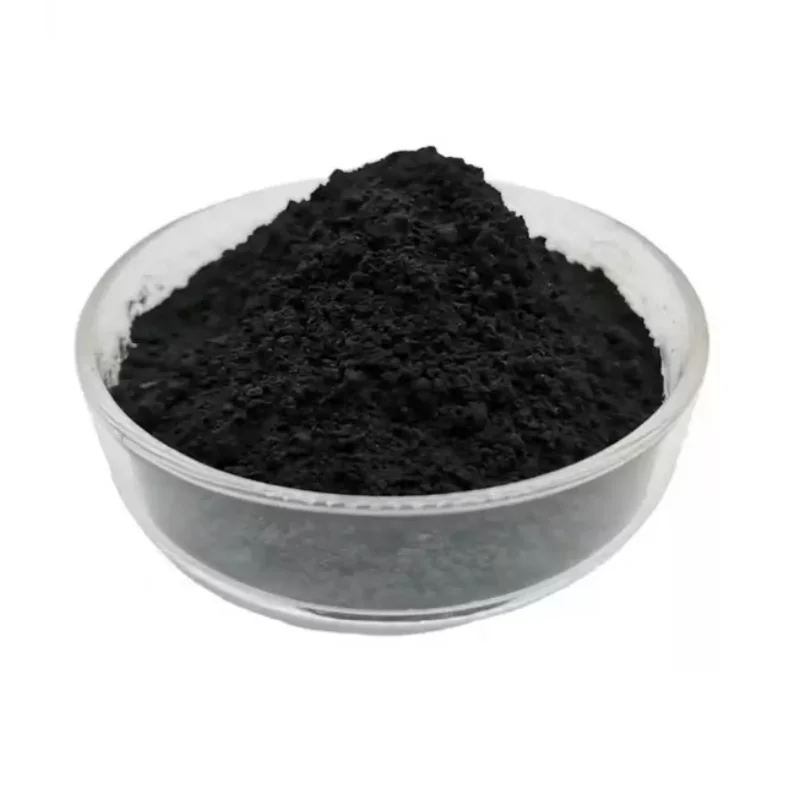
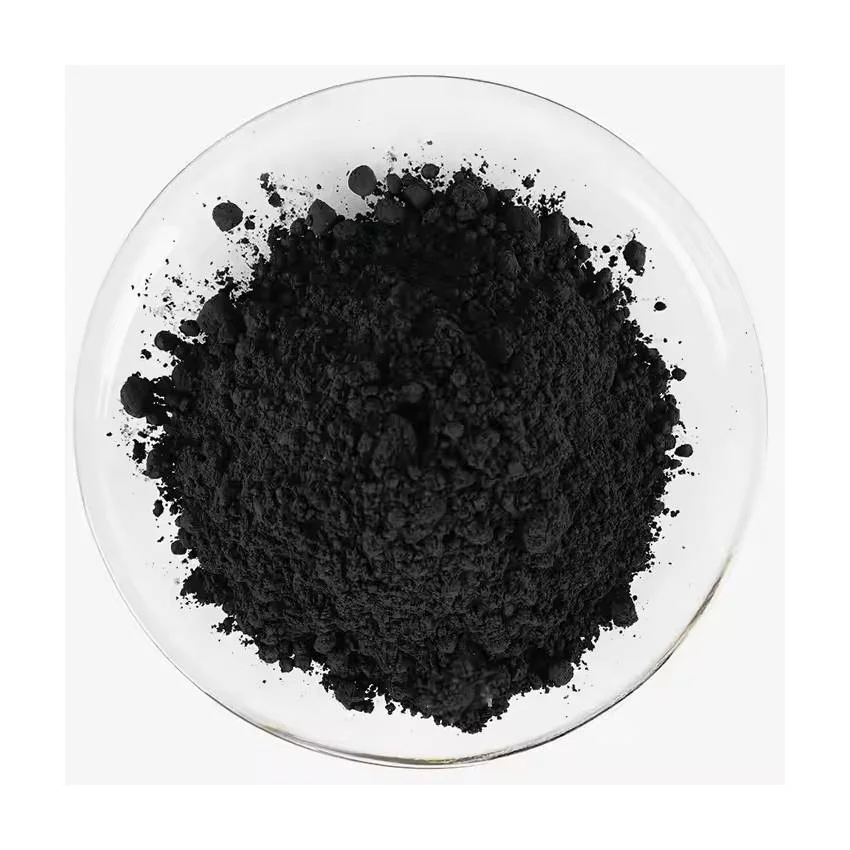
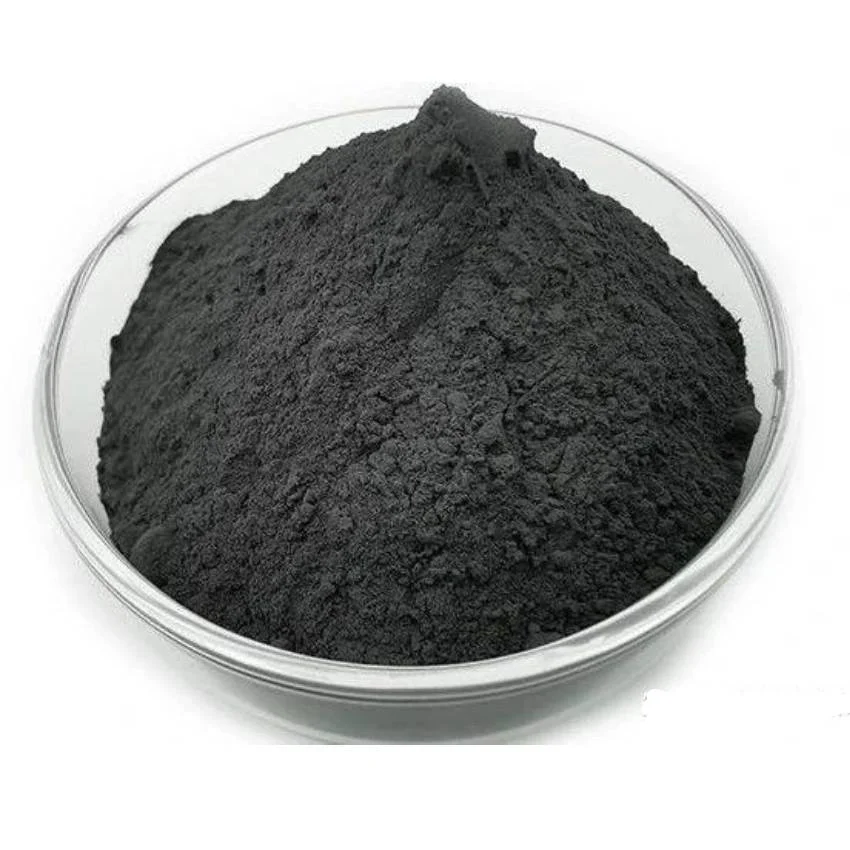
Industrial Cobalt Oxide TY-Cobalt Oxide Black Powder for Ceramic-Pigment Enquiries
-
ColorBlackPhysical formPowder
-
CAS No.1307-96-6Purity99%
-
AppearanceBlack PowderApplicationLithium Battery Materials, Ceramic Pigments, Glass
-
ClassificationCobalt OxideEINECS No.215-154-6
-
Grade StandardIndustrial GradeMolecular FormulaCoO
-
Other NamesCobalt Monoxide / Cobalt TetroxideOxide TypeMetal Oxides
-
Molecular Weight74.93SolubilityInsoluble in Water
-
Density6.44 g/cm³MOQ1 MT
-
Packaging25kg Bag, 500kg Bag, 1000kg Jumbo BagSupply Ability500 MT per Month
-
SampleAvailableCertificateISO, COA, MSDS
A traceable ceramic-pigment sample needs an agreed oxide specification and a clear record of the material tested. The enquiry model is TY-Cobalt Oxide, described as industrial black powder in the cobalt-oxide family. Ceramic pigments are a named use context.
Agree the ceramic formulation and required oxide identity
State the composition and phase required by the project before reviewing a sample. Ask for current identification evidence associated with the powder supplied. Its family name and black appearance cannot establish a specific oxide phase or replace the required analytical specification.
Read composition evidence before applying a purity criterion
Confirm the analyte, test method and reporting basis in the current composition report. Review constituent and particle information relevant to the ceramic process. A purity-based decision needs an established material identity as well as an assay that matches the project requirement.
Keep pigment results linked to the actual ceramic trial
Define the process and the acceptance observations used for the proposed formulation. Evaluate the tested material against those criteria after its identity has been confirmed. A ceramic-pigment use label does not predict fired shade, colour strength or finished-ceramic performance.
- Document the required phase and sample identity.
- Review current composition and physical reports.
- Assess the controlled ceramic results for that sample.
Lithium-battery-material and glass projects need separate qualification. Keep applicable technical and handling documents with the trial record, and complete the phase-specific assessment before making a material-selection decision.