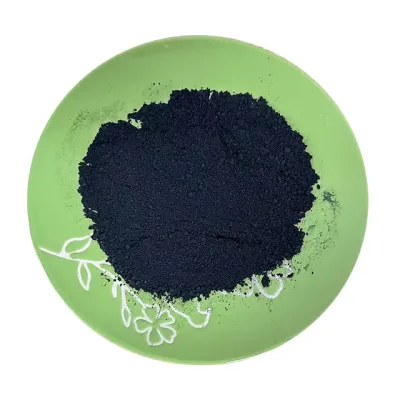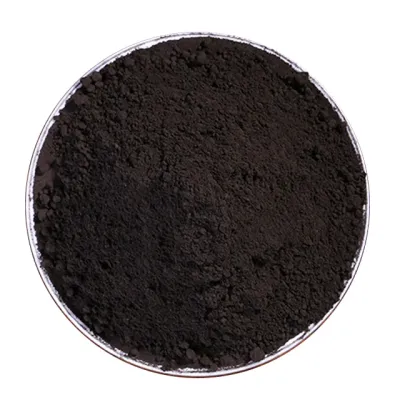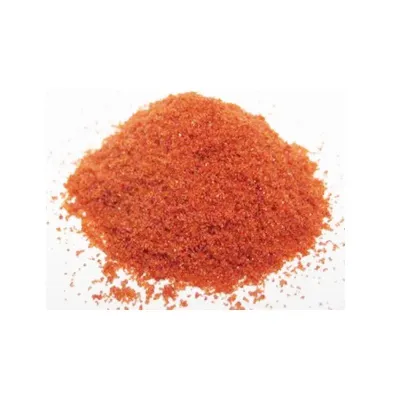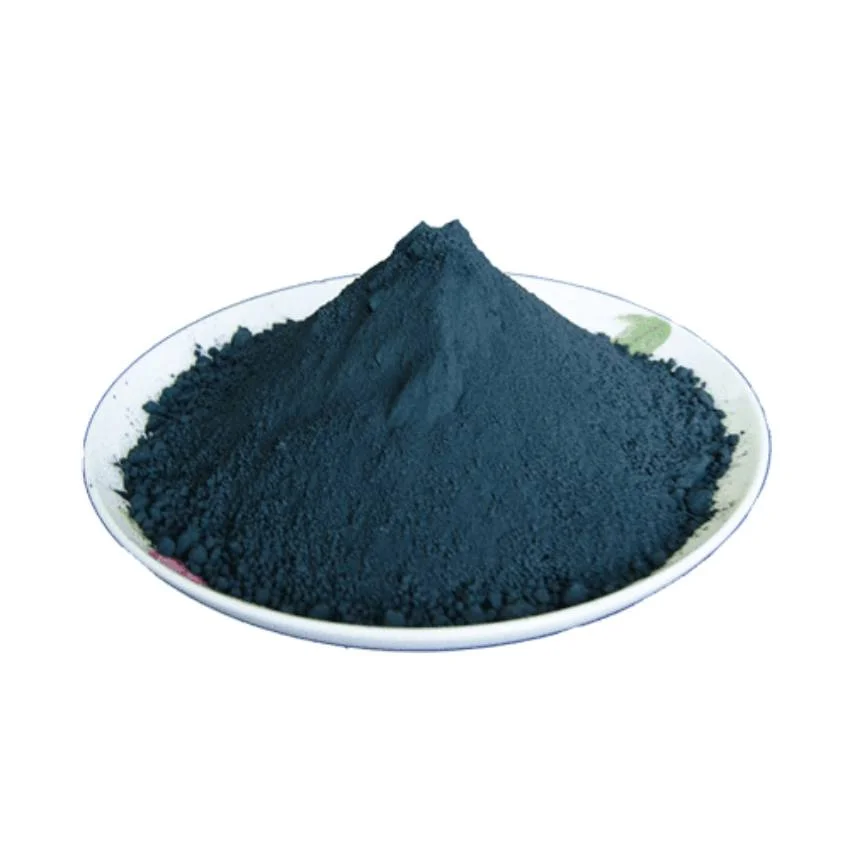
Industrial Cobalt Oxide TY-Cobalt Oxide Black Powder for Pigment and Catalyst Enquiries
-
ColorBlackPhysical formPowder
-
CAS No.1307-96-6Purity99%
-
AppearanceBlack PowderApplicationLithium Battery Materials, Ceramic Pigments, Glass
-
ClassificationCobalt OxideEINECS No.215-154-6
-
Grade StandardIndustrial GradeMolecular FormulaCoO
-
Other NamesCobalt Monoxide / Cobalt TetroxideOxide TypeMetal Oxides
-
Molecular Weight74.93SolubilityInsoluble in Water
-
Density6.44 g/cm³MOQ1 MT
-
Packaging25kg Bag, 500kg Bag, 1000kg Jumbo BagSupply Ability500 MT per Month
-
SampleAvailableCertificateISO, COA, MSDS
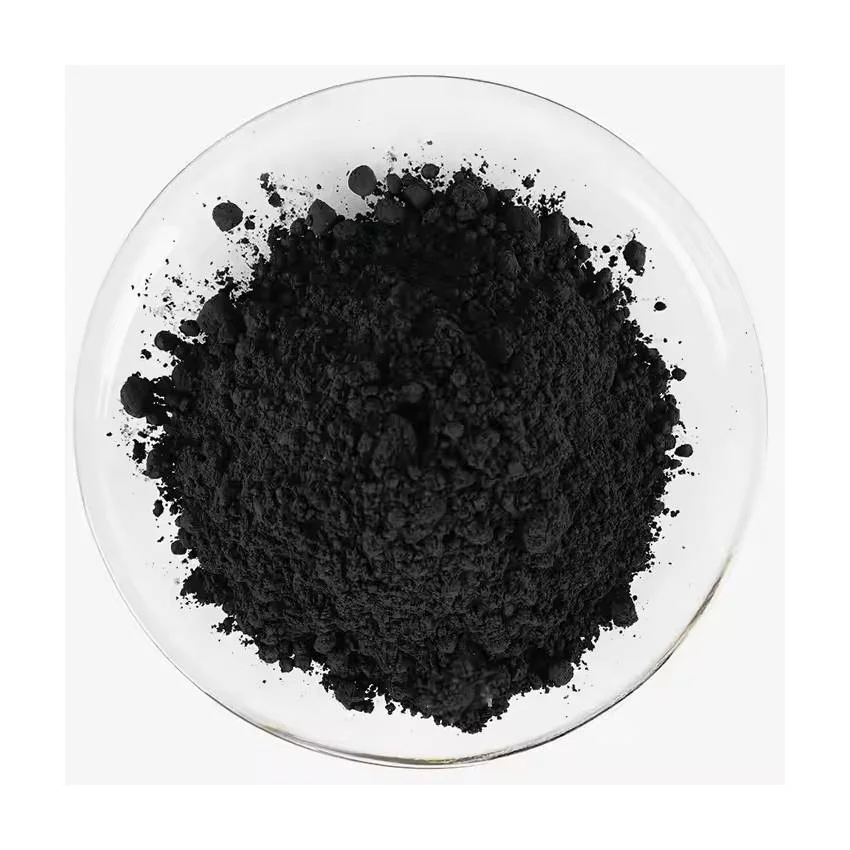
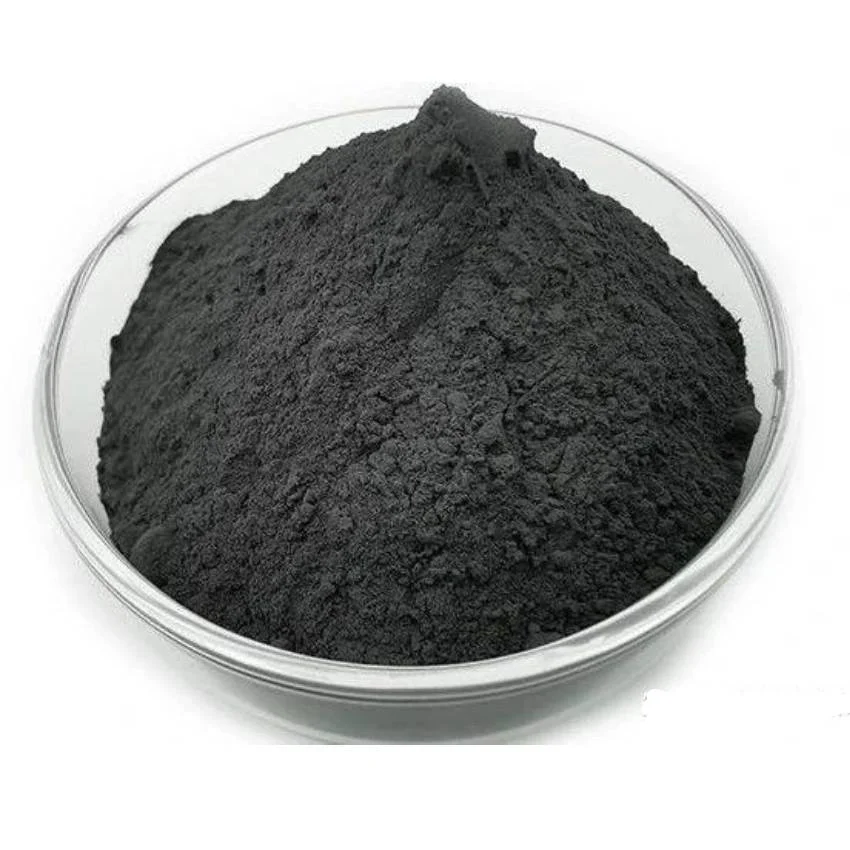
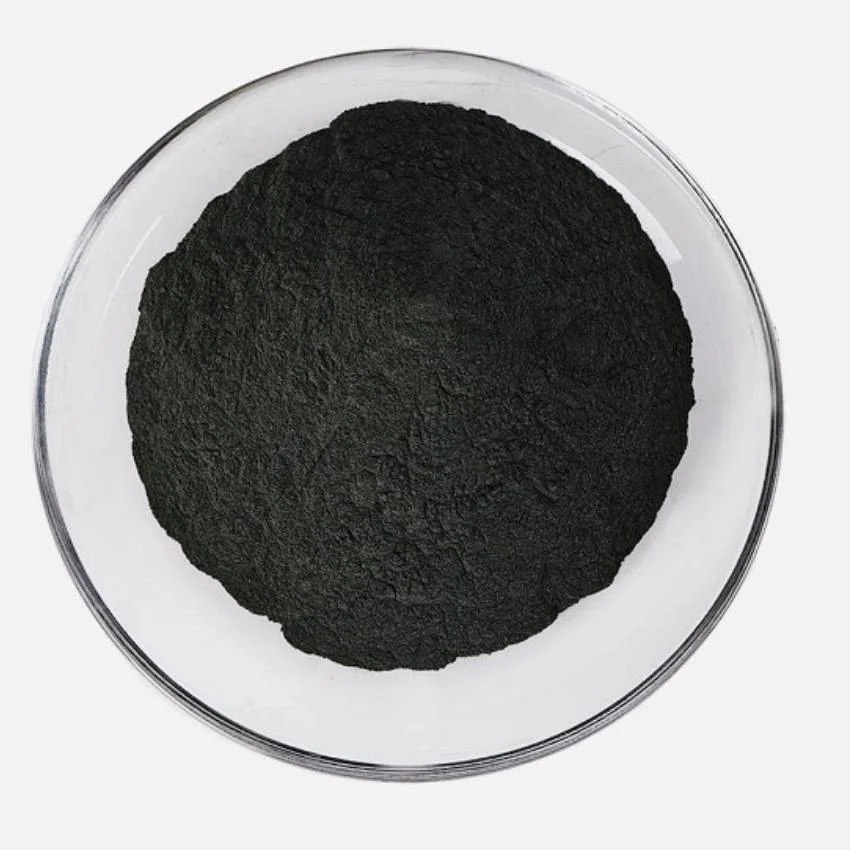
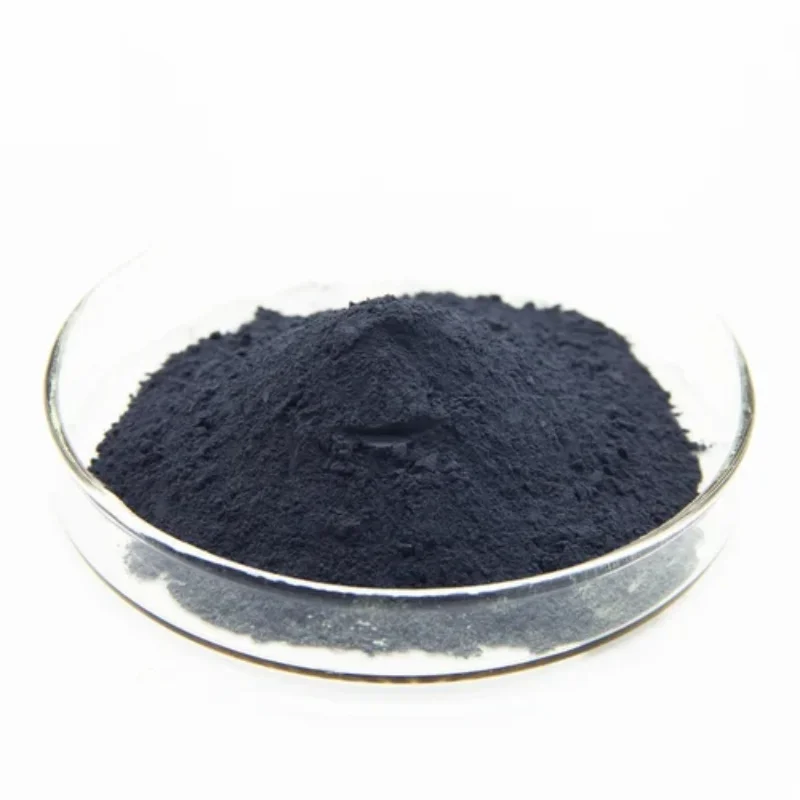
Pigment and catalyst projects need a clearly specified oxide phase before a cobalt raw material can be selected. TY-Cobalt Oxide is described as an industrial cobalt-oxide black powder. Pigment and catalyst uses are named enquiry contexts for this material.
Match the required oxide phase to the actual sample
Ask for current phase identification and a composition report linked to the material supplied for evaluation. Confirm the analyte and reporting basis used for any assay. A generic cobalt-oxide name does not establish a particular phase or a phase-specific purity.
Set pigment acceptance before judging a colour result
Describe the intended formulation and the process used by the project. Request the constituent and particle information needed for the trial. The use label alone does not predict a fired shade, colour strength or compatibility with every pigment system.
Keep catalyst qualification specific to the reaction
Identify the actual reaction system and the measurements that determine acceptance. Review sample-linked phase and analysis evidence before assessing controlled process results. No activity, conversion result or service-life performance is established by the industrial-grade description.
- Confirm the required phase and current sample identity.
- Review the assay basis and relevant constituent reports.
- Evaluate the actual material against project-specific criteria.
Lithium-battery-material and glass enquiries require separate qualification. Obtain current technical and handling documents and retain the trial observations with the sample records before making any phase-specific material decision.