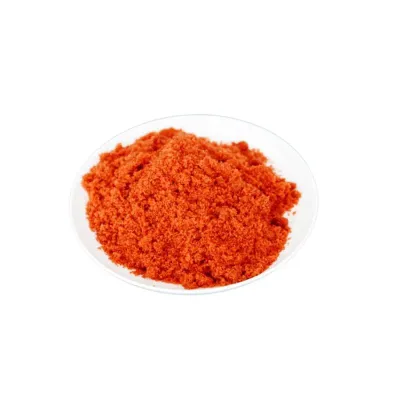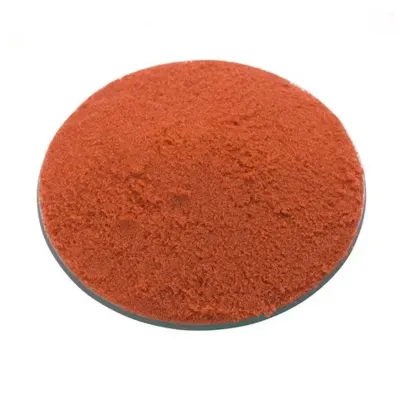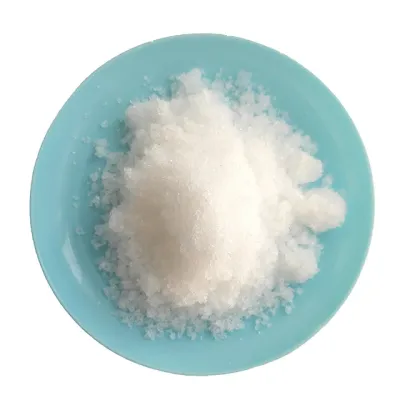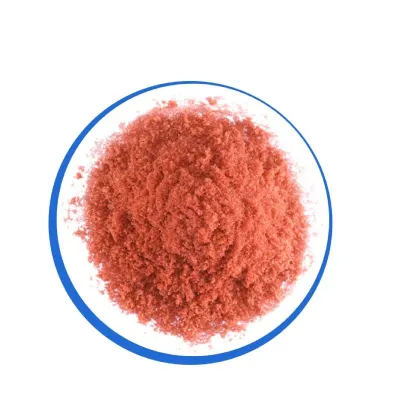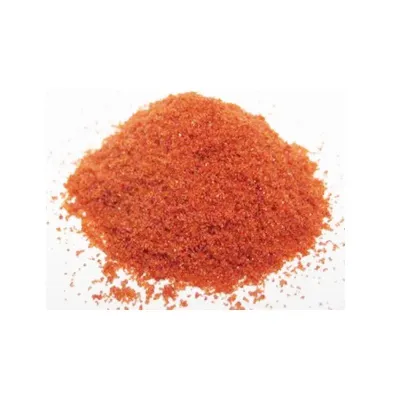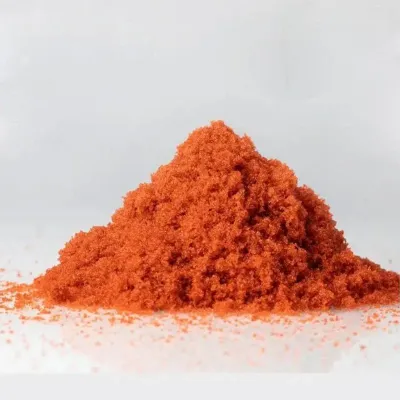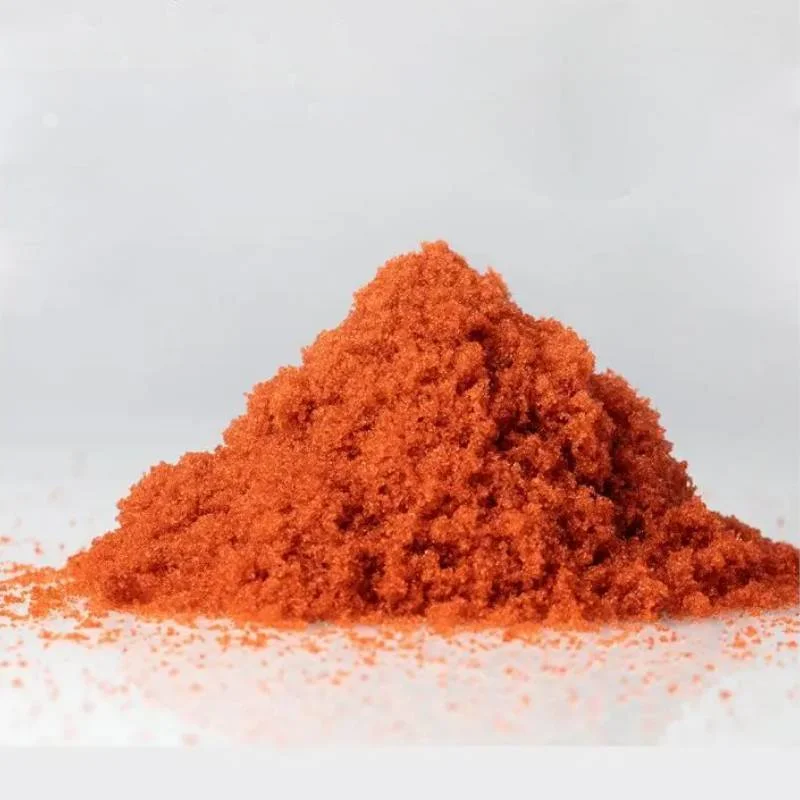
Industrial Cobalt Sulfate Heptahydrate, 21% Co, for Rechargeable-Battery Material Enquiries
-
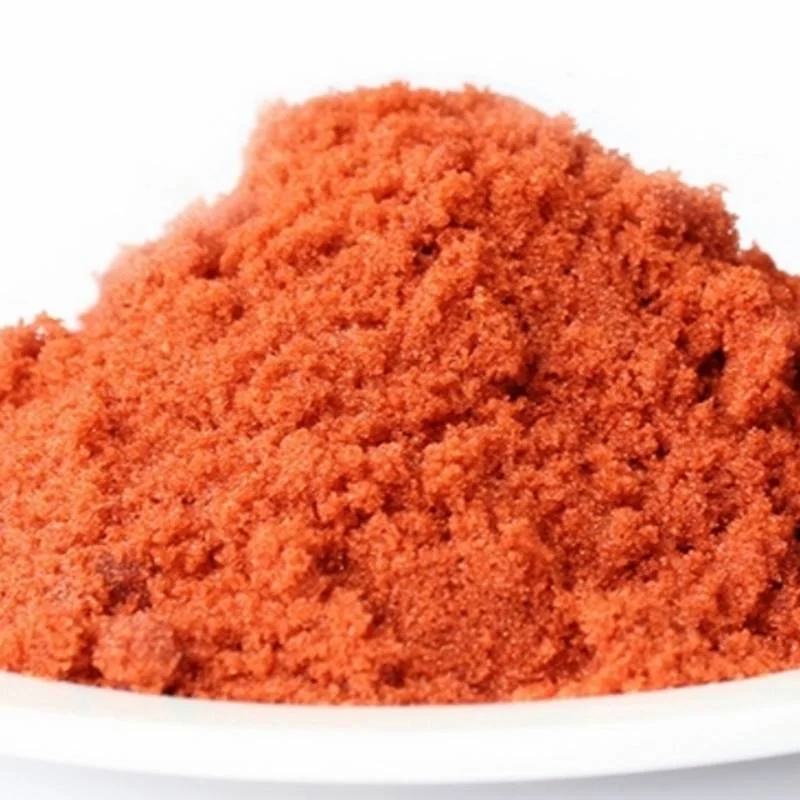
ColorRed-brown
-
CAS No.10026-24-1PurityCo 21%
-
AppearanceRed-brownApplicationcobalt salt, Lithium battery, Electroplating, Catalyst, Pigment and ceramic
-
ClassificationSulphateEINECS No.600-050-9
-
Grade StandardIndustrial GradeMolecular FormulaCoSO4*7H2O
-
Other NamesCobalt Sulfate Heptahydrate, Cobalt sulfate, Sulfuric acid cobalt saltTypeCobalt Sulfate
-
Hs code28332990SolubilityEasily soluble in water
-
pH Value3.5 -5.5 (5% solution)DensityApprox. 1.95 g/cm³
-
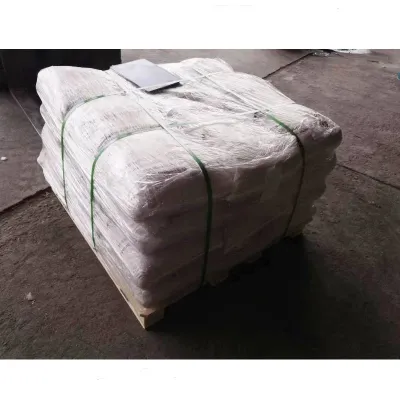
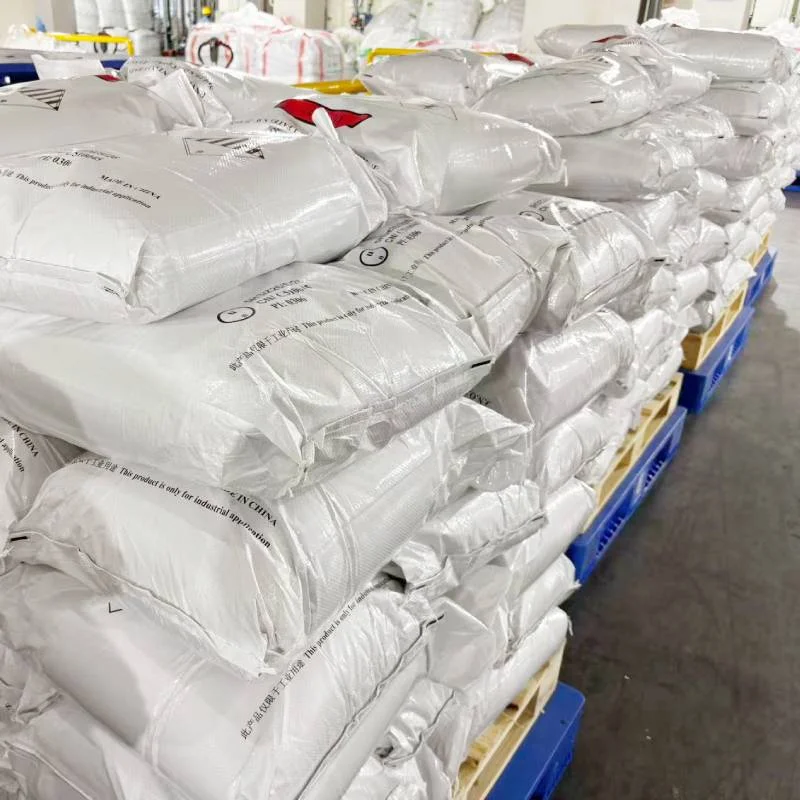
Molecular Weight281.10Packing25kg bag or 1000kg jumbo bag
-
StorageStore in a cool, dry place, away from moistureShelf Life2 Years
Rechargeable-battery material assessment needs a component specification before a cobalt salt is selected. The TY-Cobalt Sulfate Heptahydrate model identifies an industrial red-brown material with formula CoSO4*7H2O. Its stated 21% Co value refers to elemental cobalt.
Connect the heptahydrate enquiry to the component brief
Identify the actual battery chemistry, process stage and constituent limits that determine acceptance. Request current identity and cobalt analysis for the evaluation sample. Elemental cobalt content alone does not establish whole-salt purity or battery-grade qualification.
Compare the conditioned pH measurement correctly
The stated pH interval of 3.5–5.5 applies to a 5% solution. Ask how that solution was prepared and how the measurement was made. Preserve the concentration when reading reports rather than treating the value as an operating condition for the battery process.
Check sample properties and qualification evidence together
Which physical information is reported?
Density is given as approximately 1.95 g/cm³ and water solubility is described as easy. Request the density method and any physical information required by the intended component; no dissolution-time result is specified.
What supports actual component acceptance?
Review controlled trial results against the agreed constituent and process criteria. A rechargeable-battery use label does not demonstrate capacity, cycle performance or compatibility with a particular system.
Electroplating, catalyst, pigment, ceramic and cobalt-salt projects need their own assessment. Keep current technical and handling records with the material analysis, and confirm the supplied cool, dry storage guidance away from moisture before making the final selection.