Industrial Microsilica Powder, 99.5% Purity, 325 Mesh, for Paint, Plastic and Electronics Enquiries
-
Particle-size designationMesh designationColorWhite
-
Physical formPowder
-
CAS No.69012-64-2Purity99.5%
-
Model Number325 meshAppearancewhite powder
-
ApplicationPaint,Plastic,ElectronicsClassificationSilicon Dioxide
-
EINECS No.231-545-4Grade StandardIndustrial Grade, Electron Grade
-
Molecular FormulaSiO2Other NamesSilica Fume
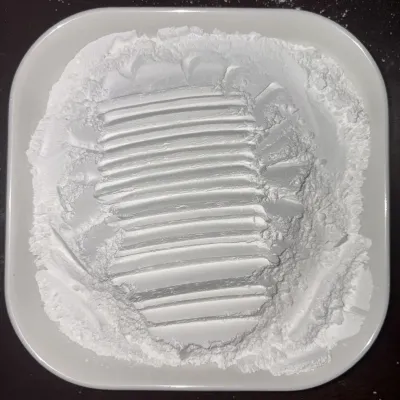
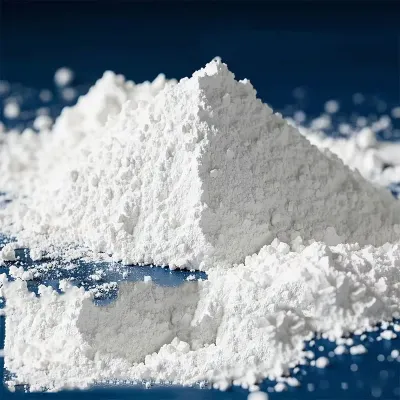
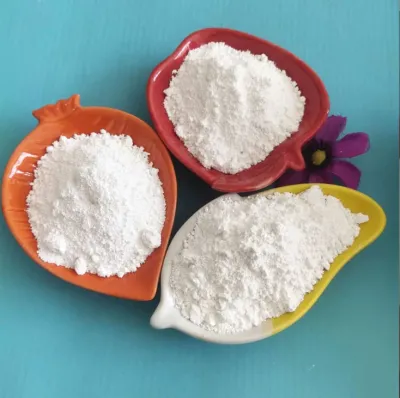
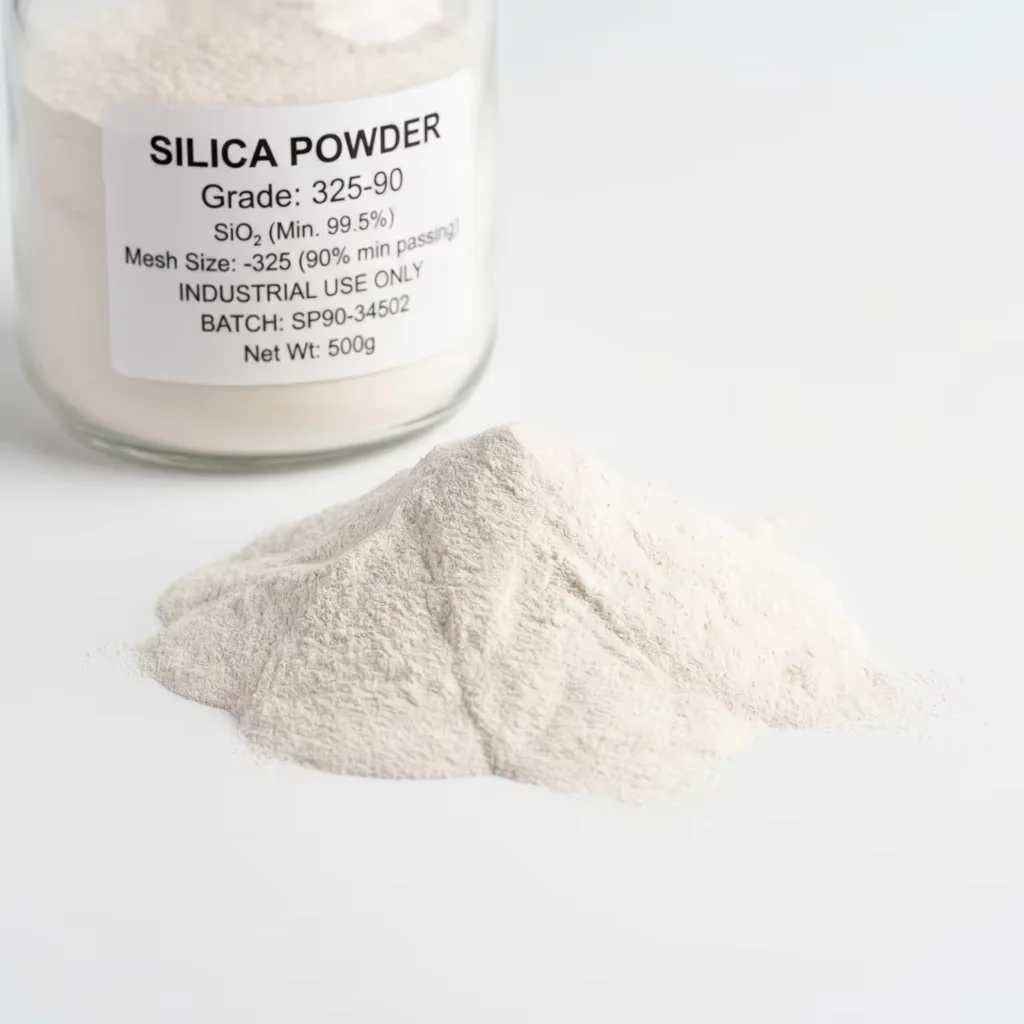
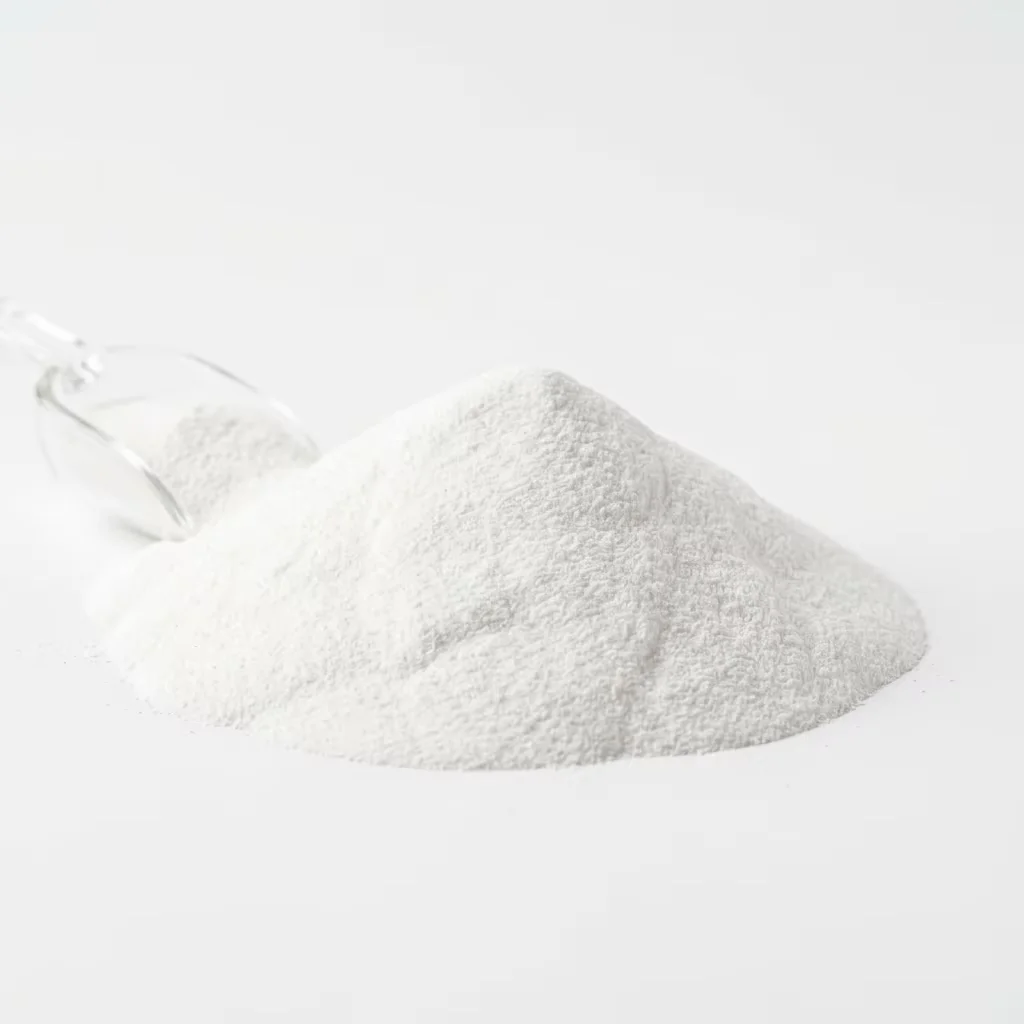
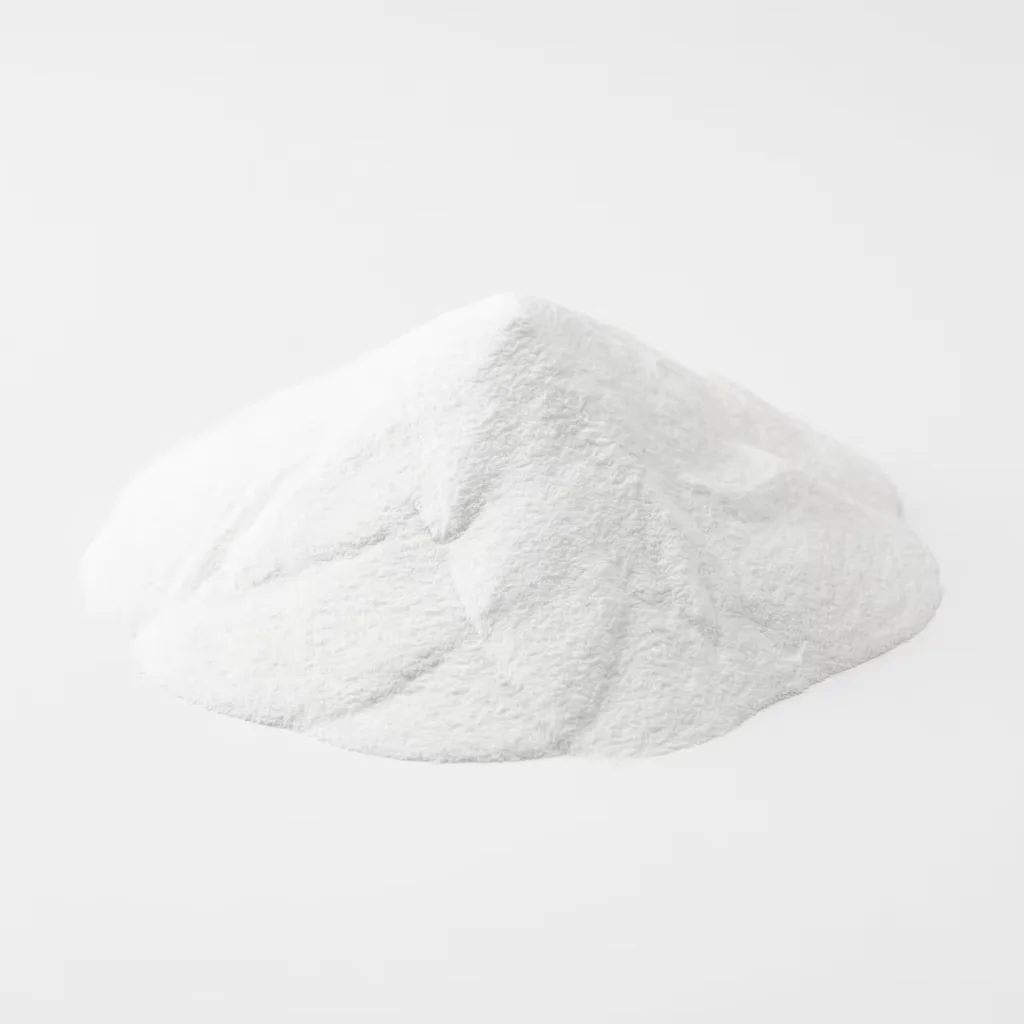
This industrial microsilica is described as white silicon dioxide powder with stated purity of 99.5% and a 325 mesh designation. Paint, plastic and electronics are the named application areas, each requiring a separate assessment of the actual grade and its supporting reports.
Establish the material form behind microsilica
Request characterization of the supplied powder, including the relevant phase information and particle distribution. The microsilica or silica-fume name should remain linked to that document set. Do not infer a production route, a specific silica phase or particle morphology from the name or registry reference alone.
Keep assay, fineness and whiteness separate
The 99.5% figure describes stated purity, while 325 mesh is a fineness designation that needs its sieve standard and method. Neither measurement supplies an optical result. Ask for the actual measured whiteness and its test basis instead of assuming that several optical numbers identify selectable grades.
Build a process-specific assessment
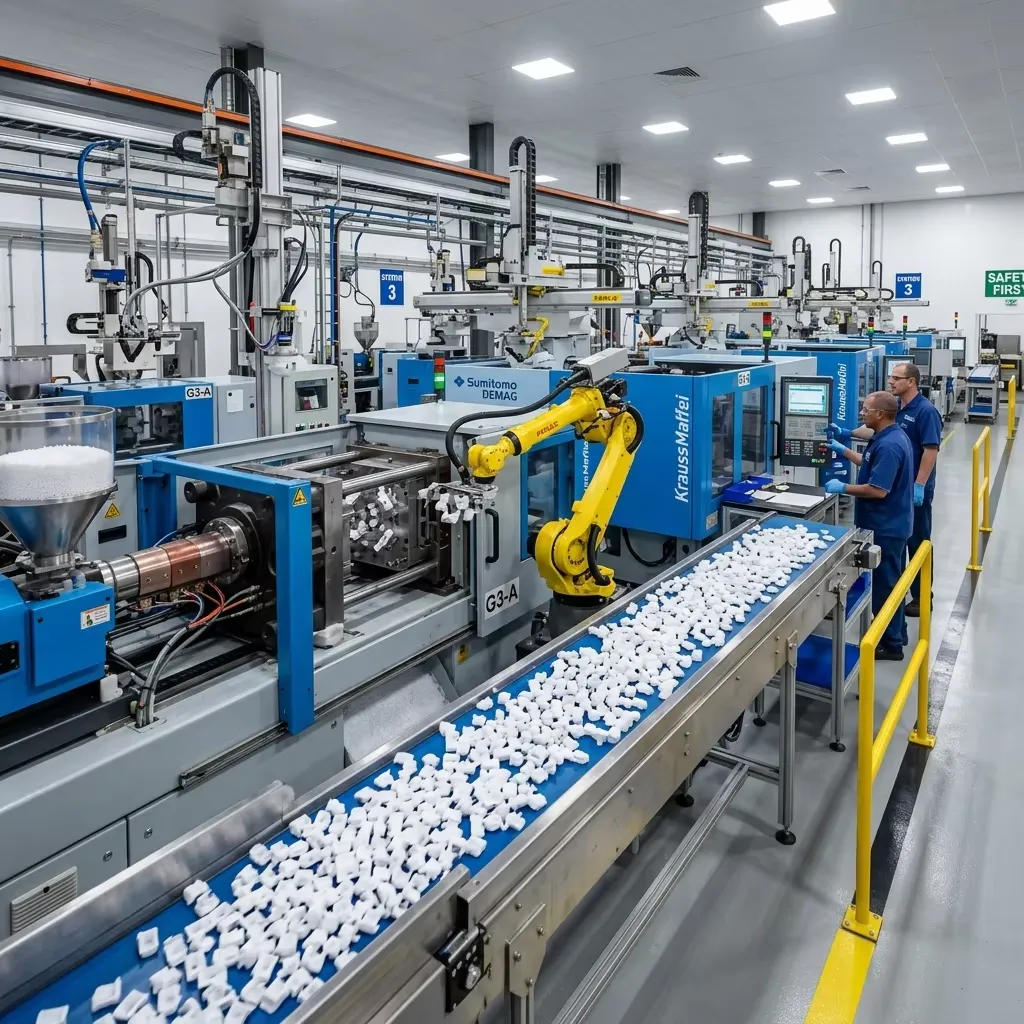
For a paint or polymer enquiry, describe the formulation and the properties to be evaluated. Request treatment information and use a representative sample to examine dispersion and the relevant finished-system response.
Define electronics acceptance before selection
An electronics enquiry needs its own impurity limits, particle criteria and process qualification. An application name does not establish electronic-grade certification or suitability for a particular component. Review matched technical and safety information and retain the grade identifier with the analysis and evaluation results. This record helps keep subsequent discussions tied to the material actually tested, rather than a broad silica description.