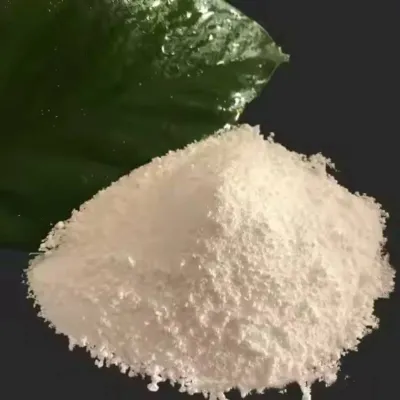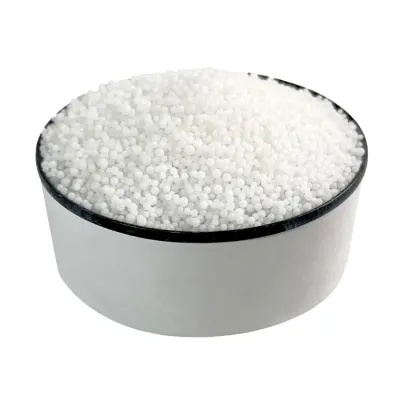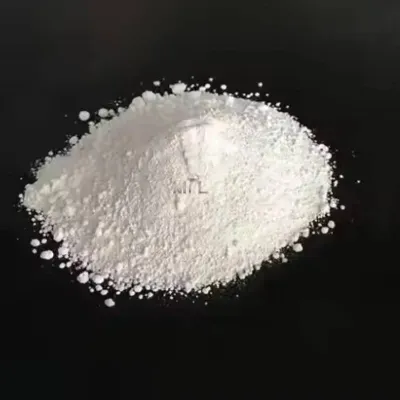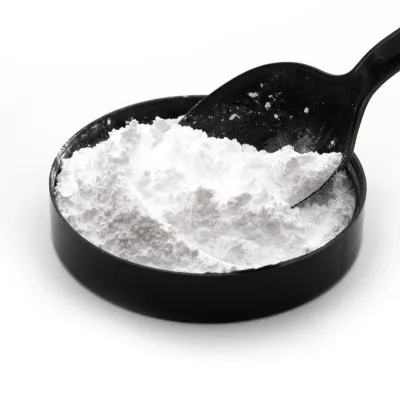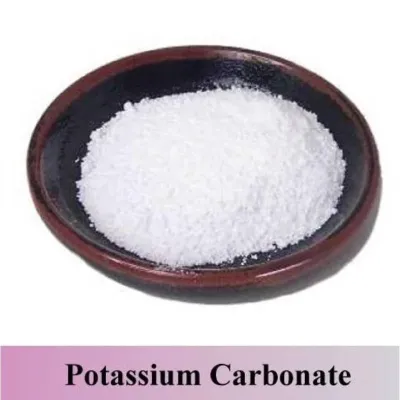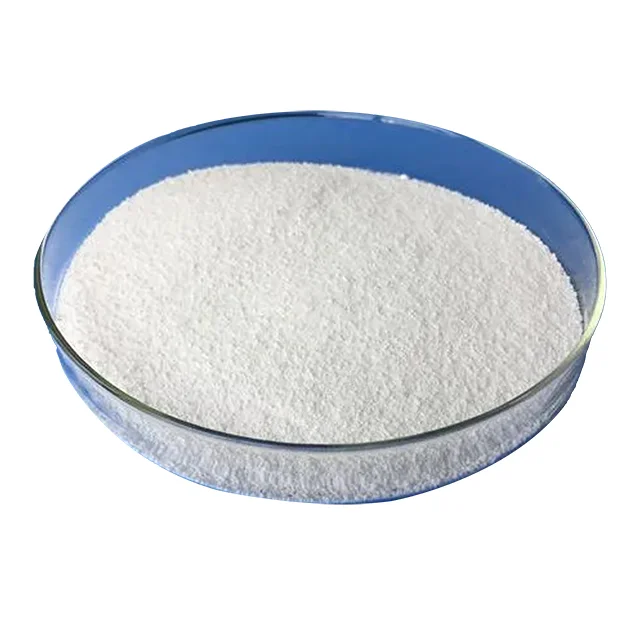
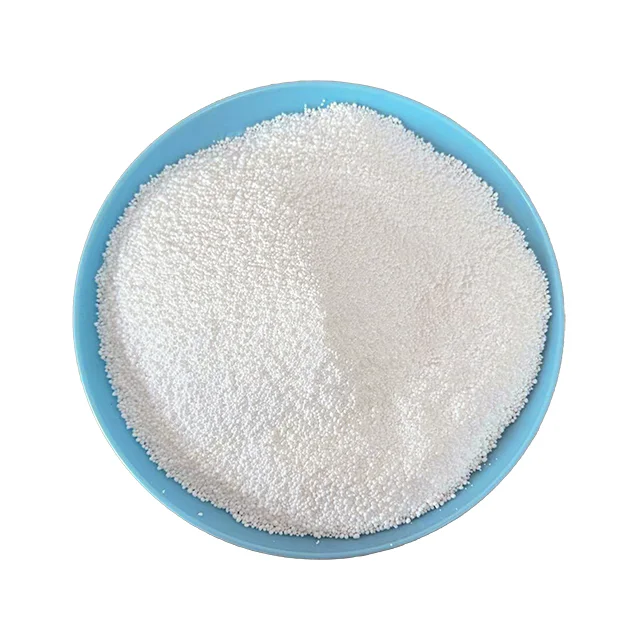
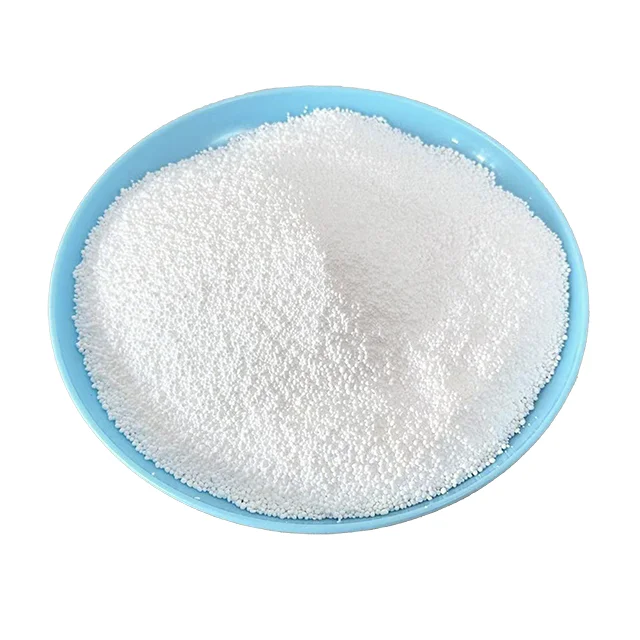
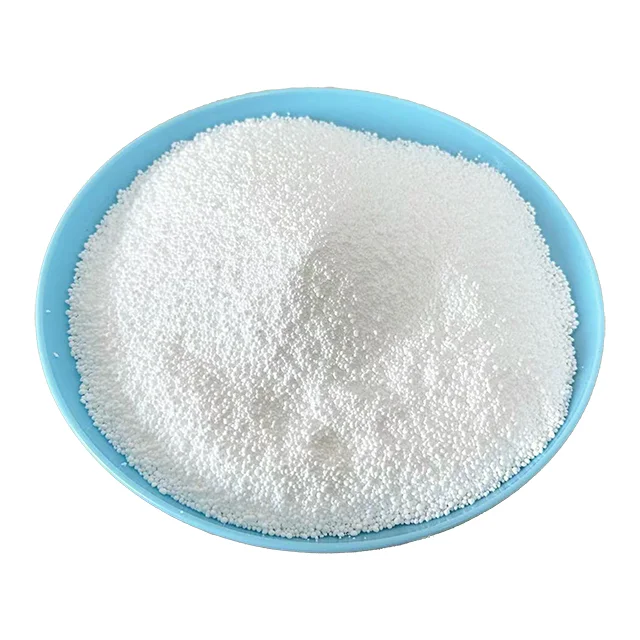
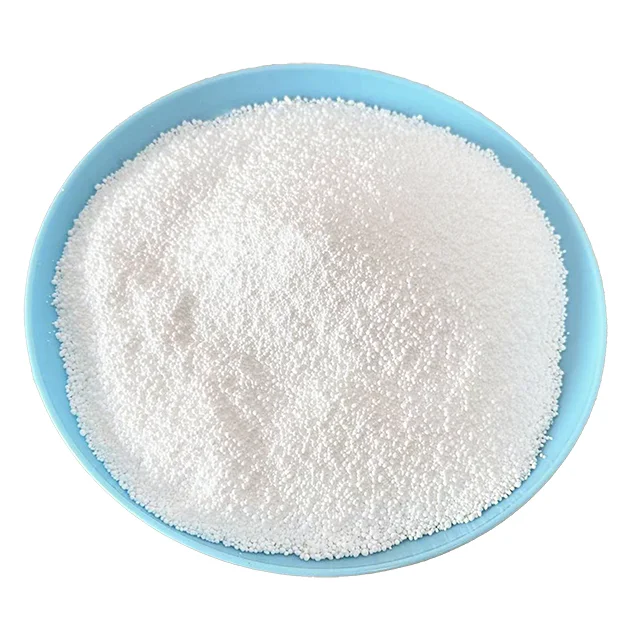
Industrial Potassium Carbonate White Crystal Powder, K2CO3, 99% Purity, TY-K2CO3, for Glass and Fertilizer Trials
-
ColorWhitePhysical formCrystalline , Powder
-
CAS No.584-08-7Purity99%
-
AppearanceWhite powderApplicationGlass Manufacturing, Fertilizer, Detergent, Food A
-
ClassificationCarbonateEINECS No.209-529-3
-
Grade StandardIndustrial GradeMolecular FormulaK2CO3
-
Other NamesPotash CarbonateTypePotassium Carbonate, Potassium Carbonate
-
Molecular Weight138.21Density2.43 g/cm³
-
SolubilityEasily Soluble in WaterpH ValueStrongly Alkaline
-
MOQ1 MTPackaging25kg Bag, 1000kg Jumbo Bag
-
Supply Ability5000 MT per MonthSampleAvailable
-
CertificateISO, COA, MSDS, Halal, Kosher (Food Grade)
A glass-material brief and a fertilizer-material brief can share a chemical name while requiring different acceptance evidence. TY-K2CO3 is industrial white potassium carbonate powder, K2CO3, with stated purity of 99%, density of 2.43g/cm³ and a crystal-powder designation for enquiry.
Specify the glass raw-material chemical limits
Request current assay and the individual impurities relevant to the intended glass project. Identify the accepted powder and moisture measurements before a trial, because the chemical name and purity alone do not establish the required glass grade or a finished-glass result.
Write the fertilizer requirements as a separate brief
Define the fertilizer project’s actual material limits and relevant qualification measurements. Do not transfer acceptance from a glass application automatically; obtain the offered model’s current analysis and assess it against the requirements of the intended process.
- Shared material evidence
- Actual model, current chemistry and method-defined powder data.
- Separate process evidence
- Application-specific acceptance limits and relevant qualification results.
Clarify the soluble alkaline powder description
The material is described as easily soluble in water and strongly alkaline. Confirm any required quantitative alkalinity method, and treat crystal-powder wording as a designation rather than proof of a hydrate phase, particle distribution or operating recipe.
Samples are available, with terms and current safety and grade reports to confirm. Any food-grade or certification requirement needs applicable documents and scope. Include the chosen industrial application and accepted measurements in the enquiry so the comparison remains tied to the actual model and project.