Industrial Sodium Acetate Anhydrous TY-Sodium Acetate, 99%, Chemical Raw Material
-
ColorWhitePhysical formCrystalline
-
CAS No.127-09-3Purity99%
-
AppearanceWhite crystalApplicationWater Treatment, Food Additives, Textile Dyeing, P
-
Intended useIndustrial UseEINECS No.204-823-8
-
Molecular FormulaCH3COONaOther NamesAnhydrous Sodium Acetate
-
TypeOtherProduct NameSodium Acetate Anhydrous
-
Molecular Weight82.03Melting Point324°C
-
Density1.53 g/cm³SolubilityEasily Soluble in Water
-
MOQ1 MTPackaging25kg Bag, 500kg Bag, 1000kg Jumbo Bag
-
Supply Ability3000 MT per MonthSampleAvailable
-
CertificateCOA, MSDS, TDS, ISO
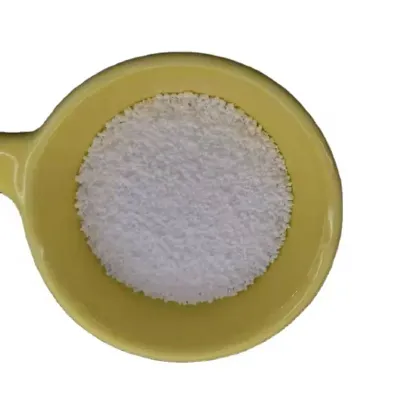
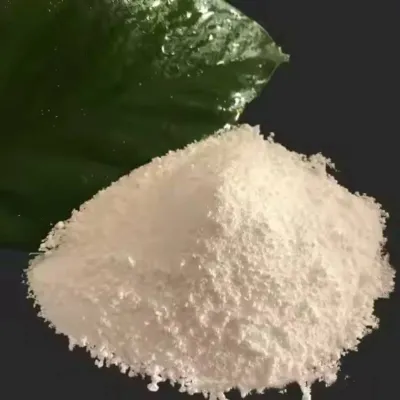
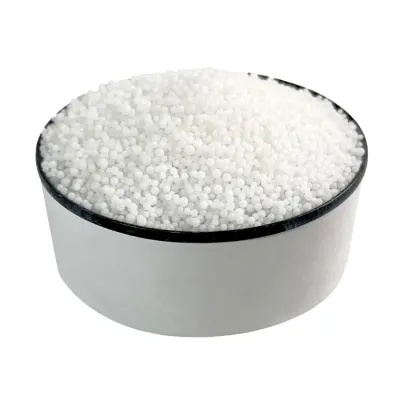
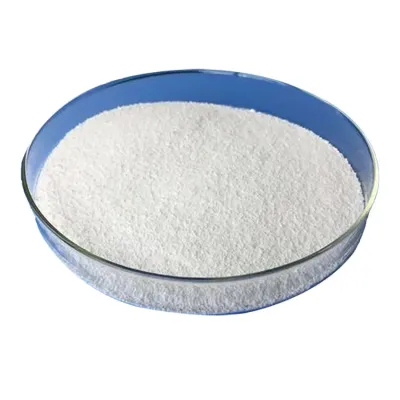
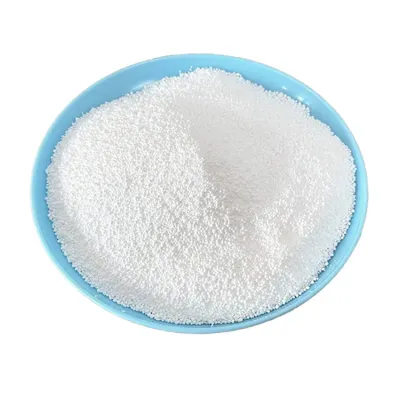
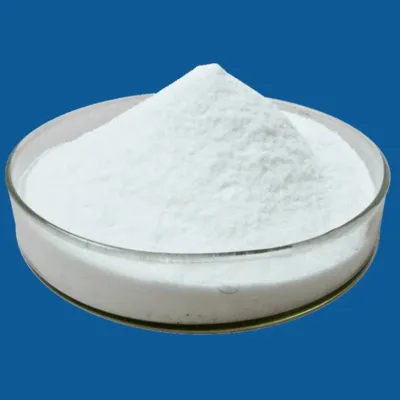
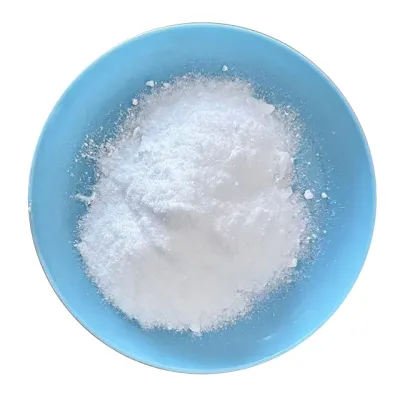
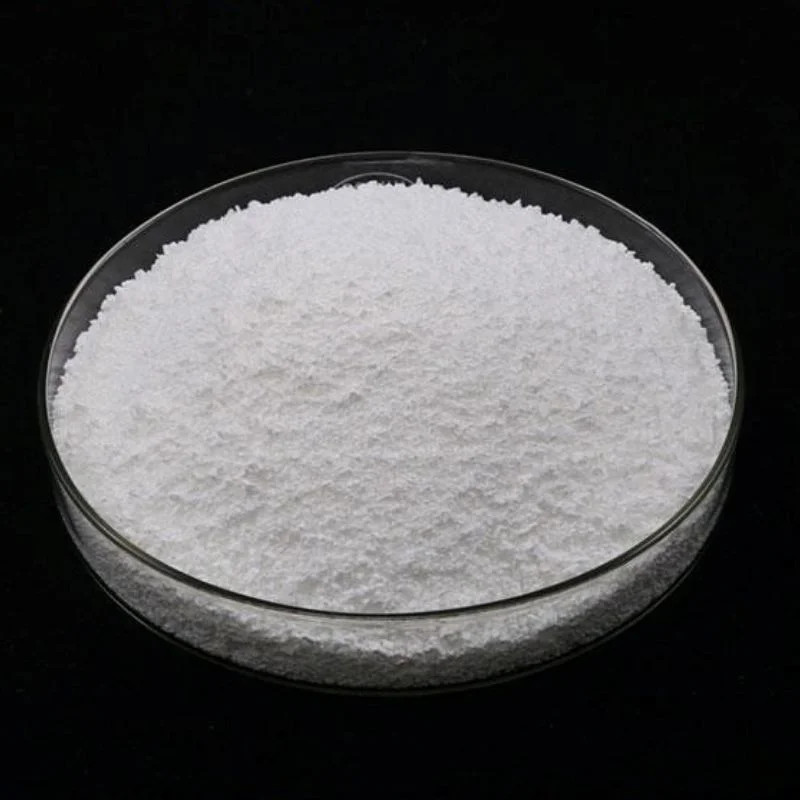
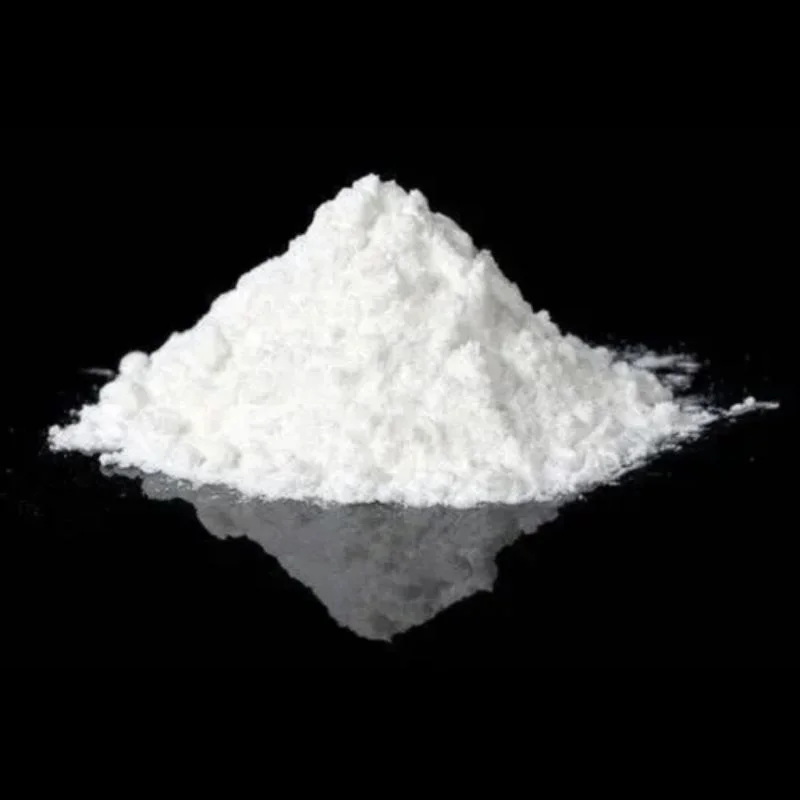
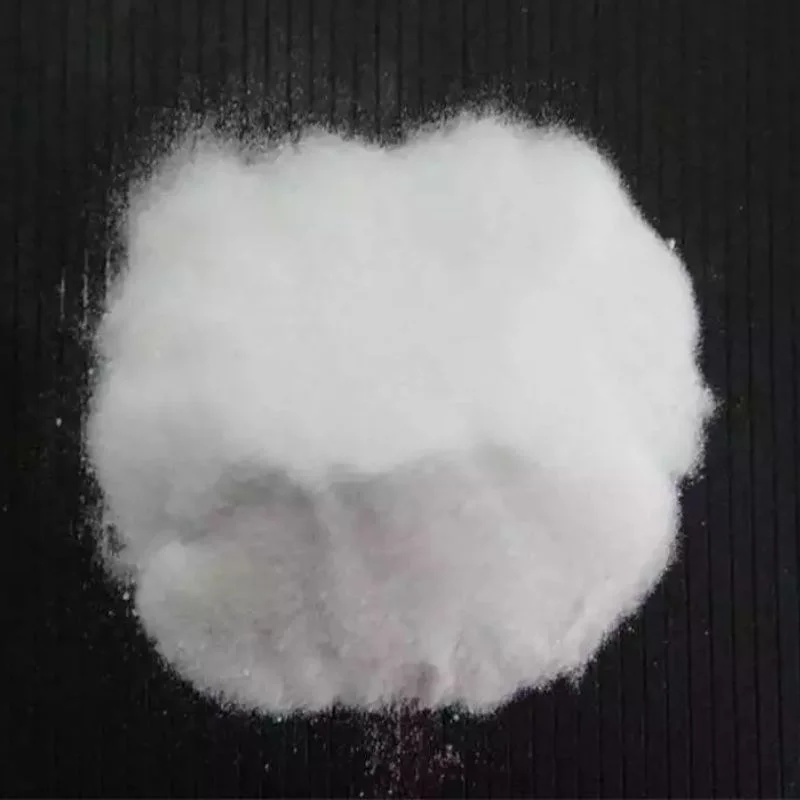
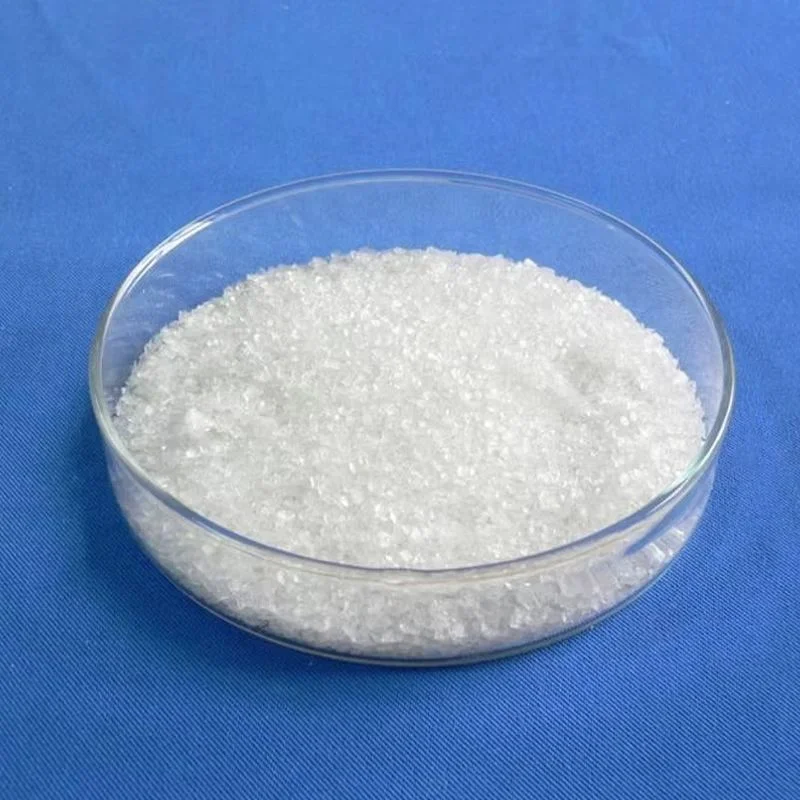
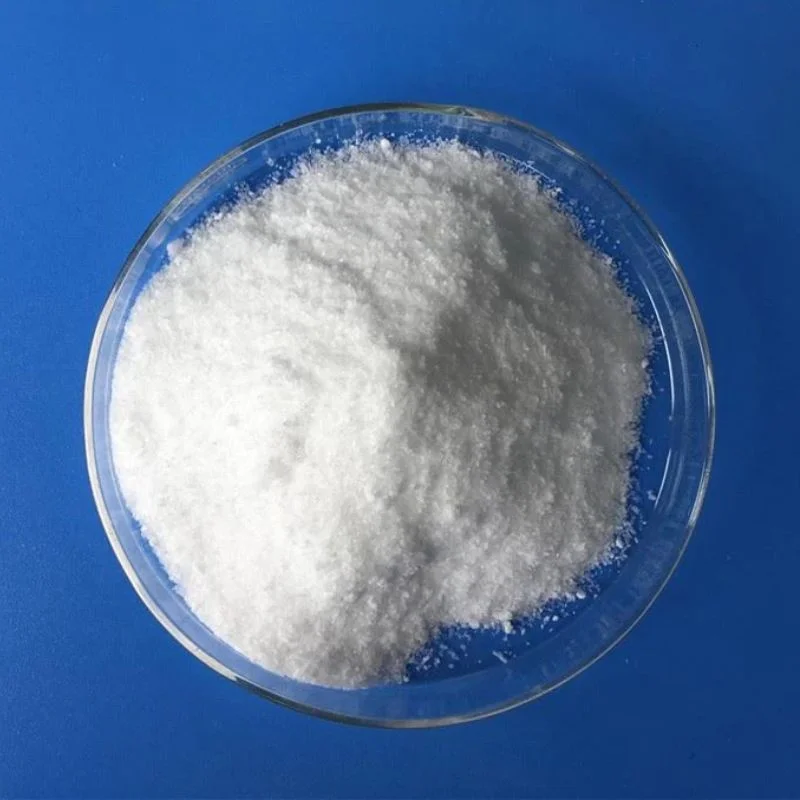
Raw-material comparisons are more useful when identity and assay information follow the actual sample. TY-Sodium Acetate is an industrial-use sodium acetate anhydrous with stated purity of 99%. The material has formula CH3COONa and is described as white crystals.
Establish the acetate and anhydrous identity for comparison
Request current identity records and any moisture information required by the project. Review purity and relevant constituent analysis on a consistent reporting basis. The material name and model help identify the enquiry, while the sample-linked documents support the acceptance decision.
Ask how the thermal and density values were measured
The stated melting point is 324°C and density is 1.53 g/cm³. Confirm the analytical or physical methods before comparing these figures with another material. A reported melting point does not define a process operating window, and the density should not be assumed to be a bulk-density measurement.
Define industrial use through actual project criteria
Water treatment and textile dyeing are named enquiry contexts. Specify the intended process and the measurements used to judge the sample before a trial. The stated purity alone does not establish compatibility, an addition rate or a finished-process result.
- Reported water solubility
- The crystals are described as easily soluble in water, without a stated dissolution time.
- Current sample records
- Keep identity, composition, physical information and applicable handling documents together.
Assess the material against the agreed project requirements and retain the actual trial observations. Review any additional grade or document requirements separately before making the final raw-material selection.