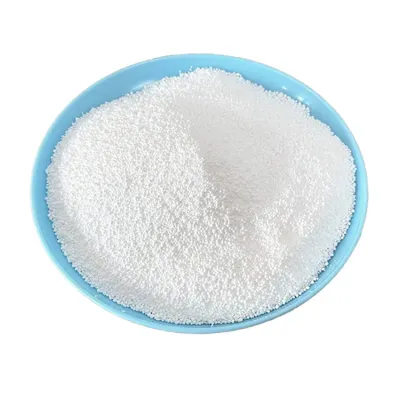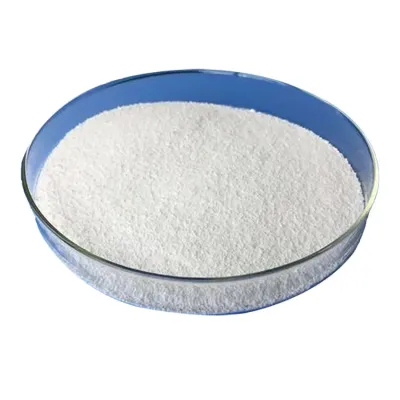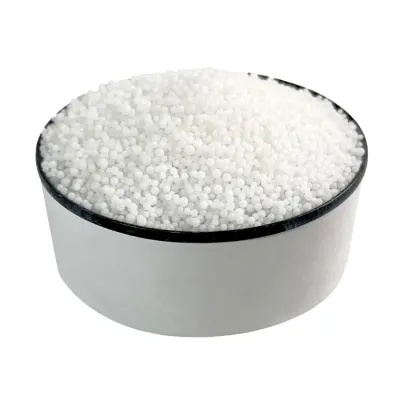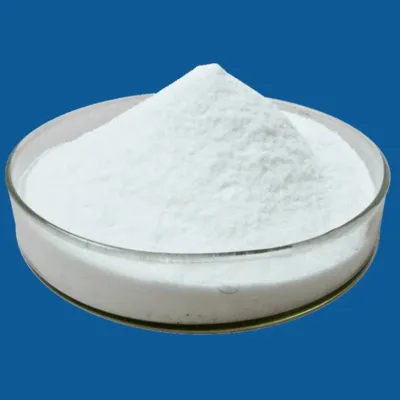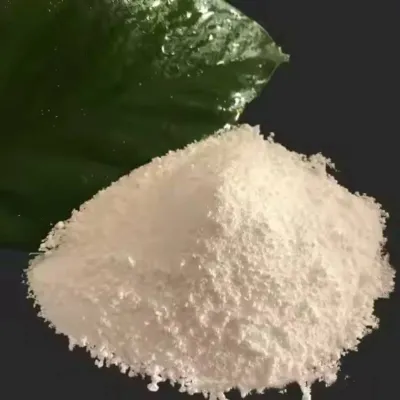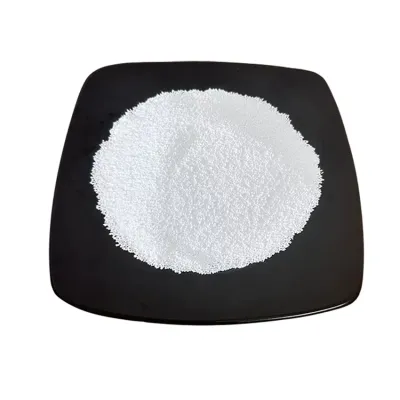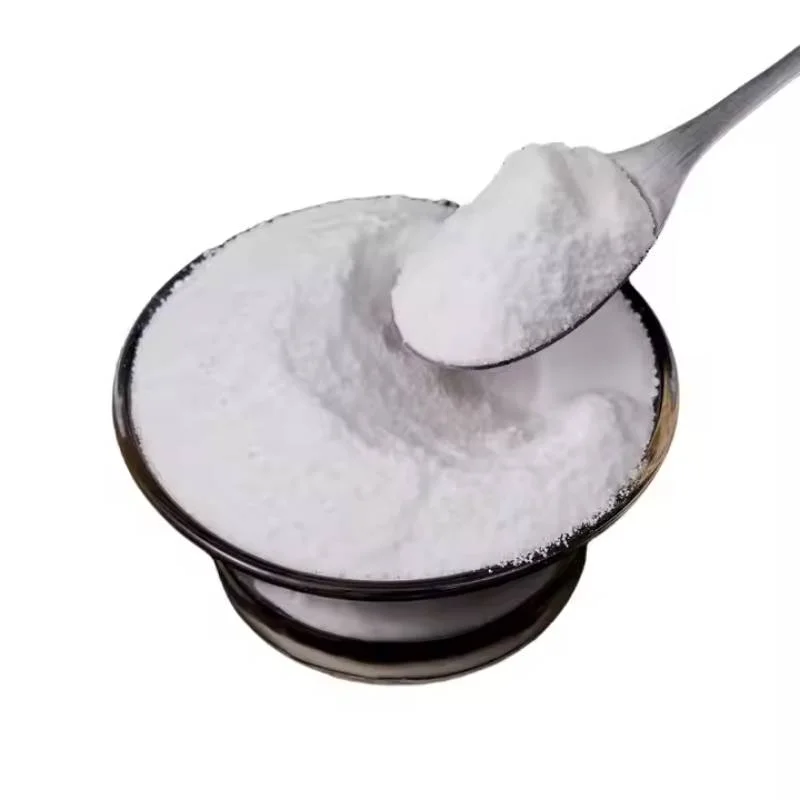
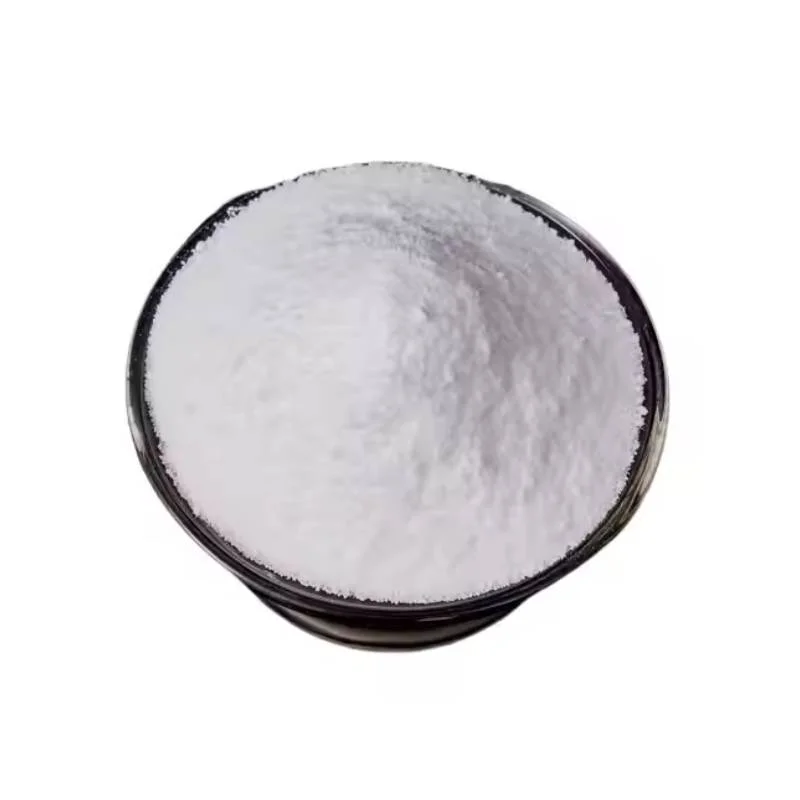
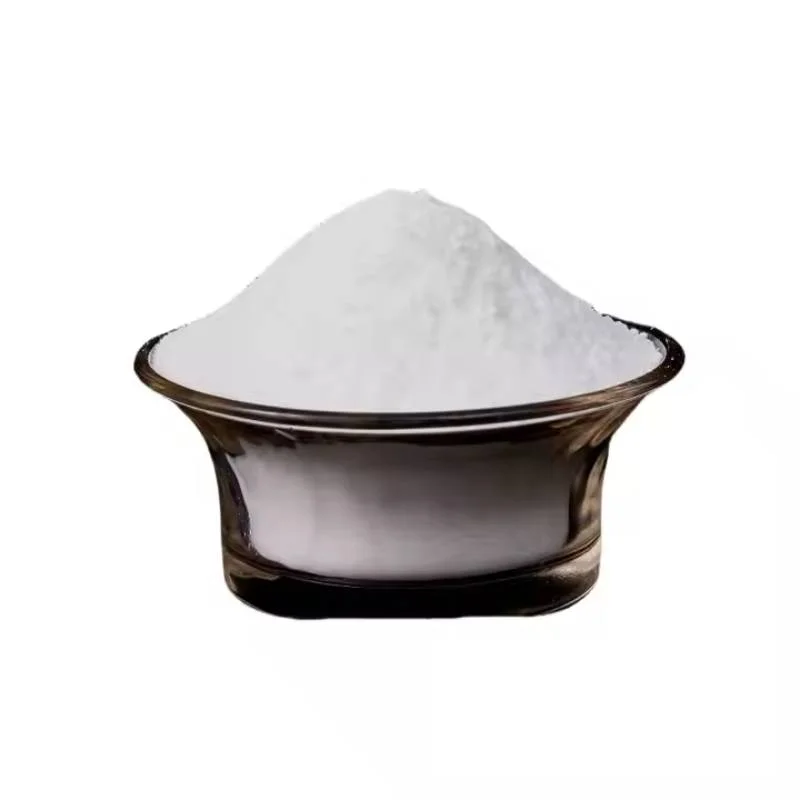
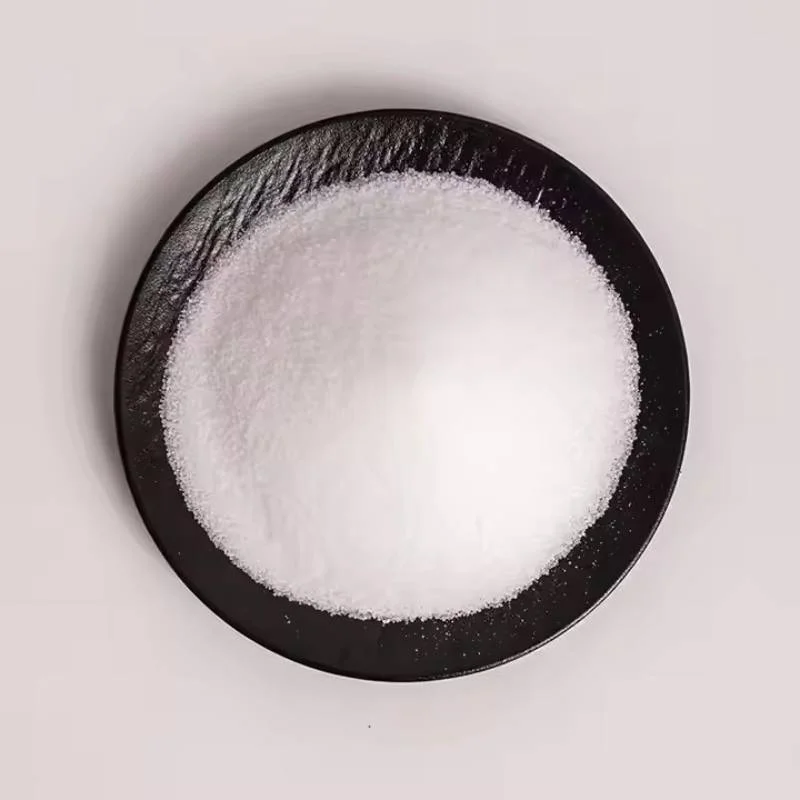
Industrial Sulfamic Acid White Crystal Powder, 99.5% Purity, for Ceramic and Pigment Manufacturing Trials
-
ColorWhitePhysical formCrystalline , Powder
-
CAS No.5329-14-6Purity99.5%
-
AppearanceWhite Crystal PowderApplicationDescaling, Water Treatment, Metal Cleaning, Electr
-
ClassificationSulfuric Acid, Organic AcidEINECS No.226-218-8
-
Grade StandardIndustrial GradeMolecular FormulaNH2SO3H
-
Other NamesAmidosulfonic Acid, Sulphamic AcidProduct NameSulfamic Acid
-
Molecular Weight97.09SolubilitySoluble in Water
-
Density2.13 g/cm³MOQ1 MT
-
Packaging25kg Bag, 500kg Bag, 1000kg Jumbo BagSupply Ability5000 MT per Month
-
SampleAvailableCertificateCOA, MSDS, TDS, ISO
A ceramic or pigment manufacturer should identify the actual material duty and accepted measurements before comparing an acid grade. This industrial sulfamic acid, NH2SO3H, is a white crystal powder with stated purity of 99.5%, density of 2.13g/cm³ and water solubility.
Specify the ceramic manufacturing material requirement
Describe the intended process and the chemical limits the offered material must meet. Request current assay, required impurities and relevant powder measurements, because an industrial grade and purity figure do not establish the full specification for every ceramic project.
Define the pigment-process acceptance independently
State the actual pigment manufacturing duty and the output measurements used for acceptance. The application direction supports a material enquiry, while a finished colour or process-performance result needs relevant qualification rather than an assumed benefit from the acid name.
- Grade questions
- Current assay, required impurities and method-defined powder properties.
- Process questions
- The intended manufacturing duty, actual material requirements and accepted results.
Review the sample and applicable document scope
Samples are available, with terms and current safety and technical reports to confirm. If a formal standard or certification is required, request the applicable document and scope before treating a general industrial descriptor as evidence of compliance.
Descaling, water treatment and metal cleaning are also stated enquiry directions with their own process and substrate requirements. Include the actual ceramic or pigment brief and requested grade reports so the comparison rests on material evidence without universal compatibility, dosing instructions or a guaranteed manufacturing result.