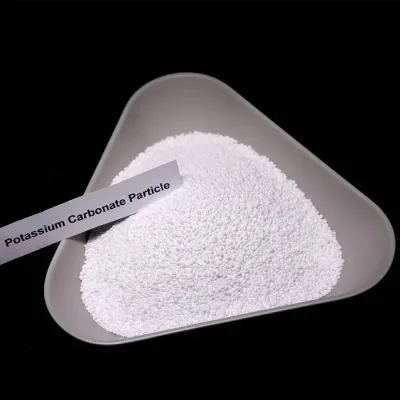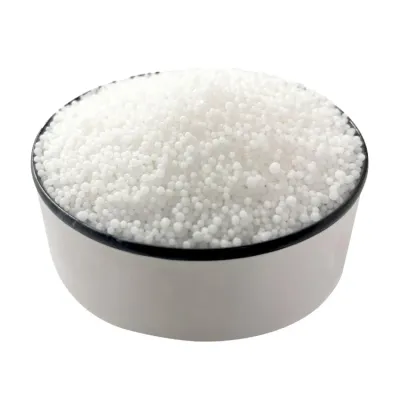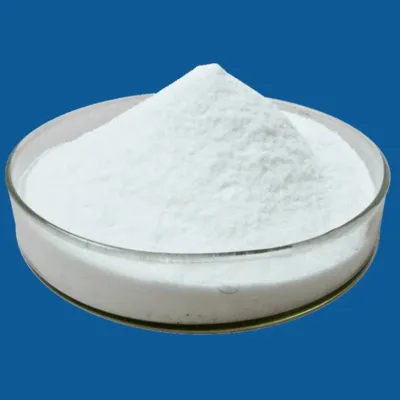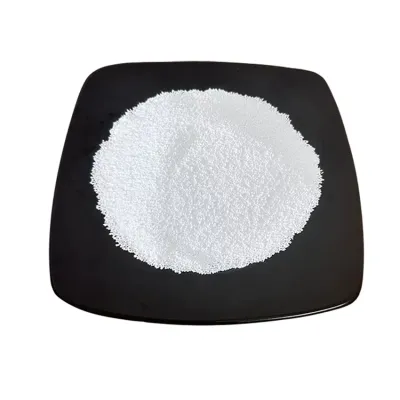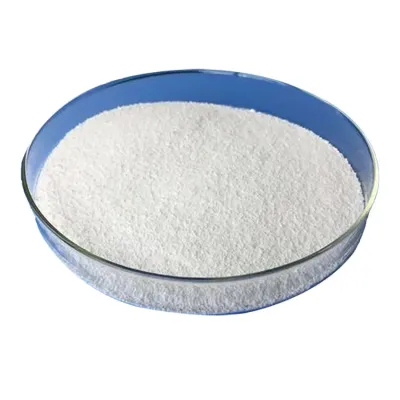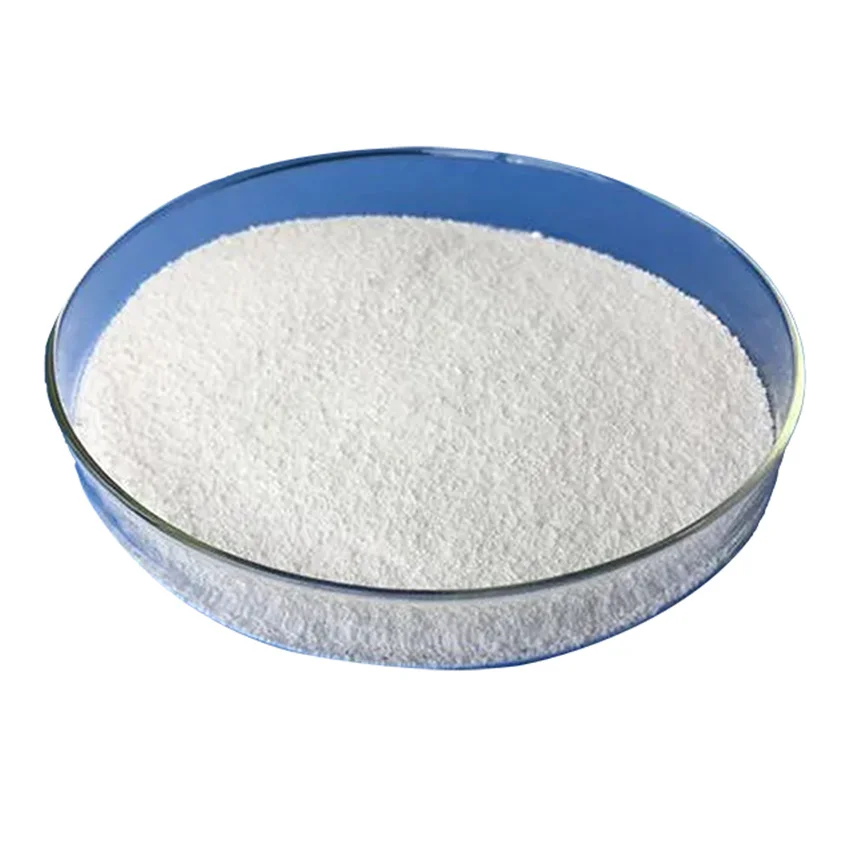
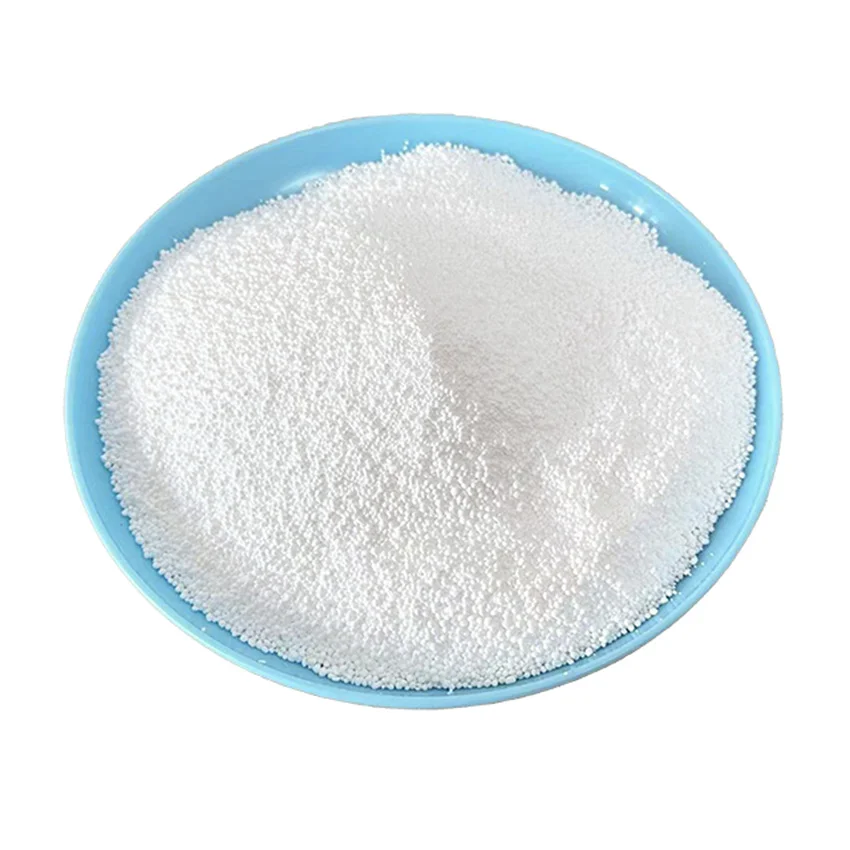
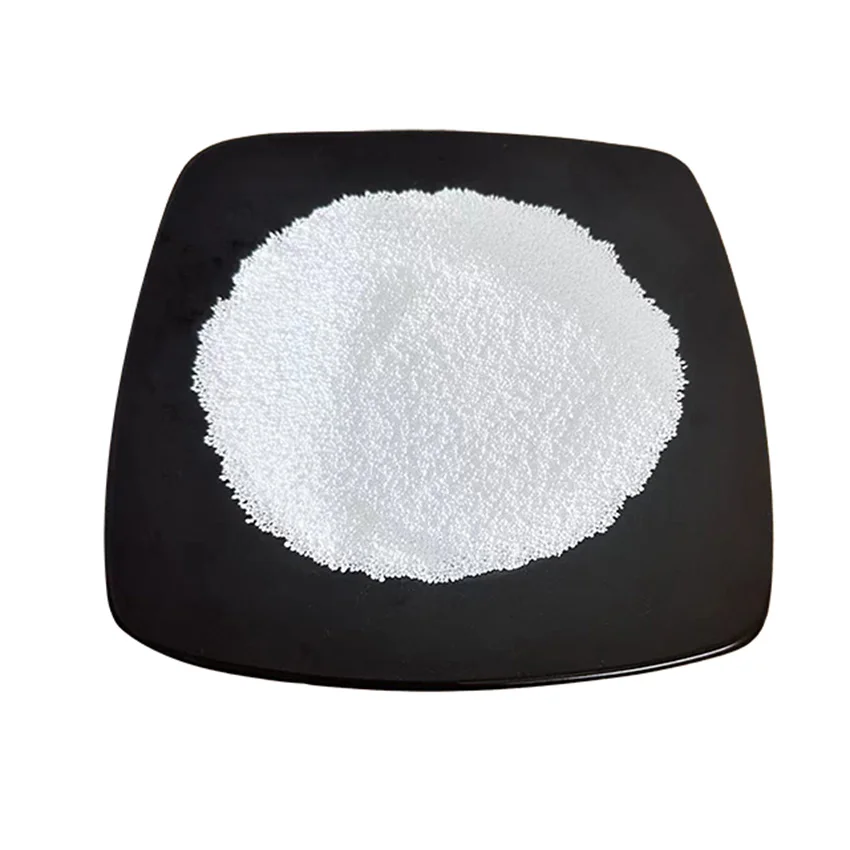
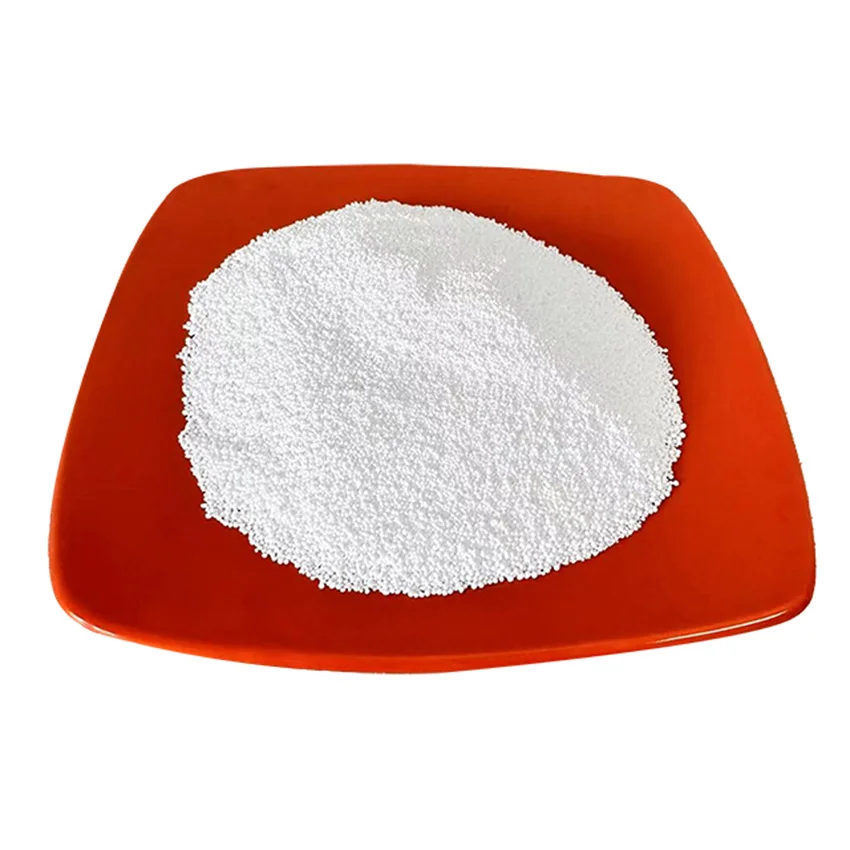
Potassium Carbonate Industrial Raw Material, K2CO3 White Powder with 99% Purity
-
ColorWhitePhysical formPowder
-
CAS No.584-08-7Purity99%
-
AppearanceWhite powderApplicationGlass Manufacturing, Fertilizer, Detergent, Food A
-
ClassificationCarbonateEINECS No.209-529-3
-
Grade StandardIndustrial GradeMolecular FormulaK2CO3
-
Other NamesPotash CarbonateTypePotassium Carbonate, Potassium Carbonate
-
Molecular Weight138.21Density2.43 g/cm³
-
SolubilityEasily Soluble in WaterpH ValueStrongly Alkaline
-
MOQ1 MTPackaging25kg Bag, 1000kg Jumbo Bag
-
Supply Ability5000 MT per MonthSampleAvailable
-
CertificateISO, COA, MSDS, Halal, Kosher (Food Grade)
Raw-material selection for this potassium carbonate starts with the proposed industrial role and a defined acceptance specification. The stated material is K2CO3 white powder with 99% purity, also named potash carbonate.
Separate chemical acceptance from powder requirements
Use current analysis to confirm the assay method and relevant impurity limits for the actual offered grade. Powder characteristics should be checked against the intended process rather than being inferred from the white appearance or a high-purity description.
- Reference TY-K2CO3 and confirm the product-specific analysis.
- Agree chemical and physical criteria for the raw-material comparison.
- Define representative trials and the results required before acceptance.
Request the solution measurements the process needs
The reported density is 2.43 g/cm3, while water solubility and strong alkalinity are described qualitatively. Confirm methods and relevant conditions without translating those descriptors into a numerical pH, a dissolution curve or a recommended dose.
Assess the chosen raw-material role independently
Glass manufacturing, fertilizer and detergent directions each require an actual ingredient function and process criteria. A grade accepted in one trial should be evaluated against the requirements of another use rather than assuming universal suitability.
Match the offered powder and chemical identifiers to current analysis, technical and safety documents, and verify any required applicable certification and scope. Industrial purity alone does not establish food-grade approval; use confirmed grade evidence and representative process results to decide whether this potassium carbonate meets the stated raw-material requirement.