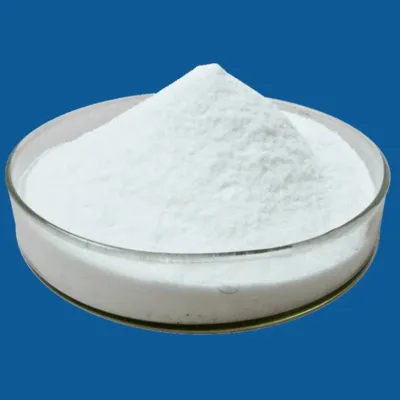
Sodium Acetate Anhydrous TY-Sodium Acetate, 99%, for Industrial Chemical-Intermediate Enquiries
-
ColorWhitePhysical formCrystalline
-
CAS No.127-09-3Purity99%
-
AppearanceWhite crystalApplicationWater Treatment, Food Additives, Textile Dyeing, P
-
Intended useIndustrial UseEINECS No.204-823-8
-
Molecular FormulaCH3COONaOther NamesAnhydrous Sodium Acetate
-
TypeOtherProduct NameSodium Acetate Anhydrous
-
Molecular Weight82.03Melting Point324°C
-
Density1.53 g/cm³SolubilityEasily Soluble in Water
-
MOQ1 MTPackaging25kg Bag, 500kg Bag, 1000kg Jumbo Bag
-
Supply Ability3000 MT per MonthSampleAvailable
-
CertificateCOA, MSDS, TDS, ISO
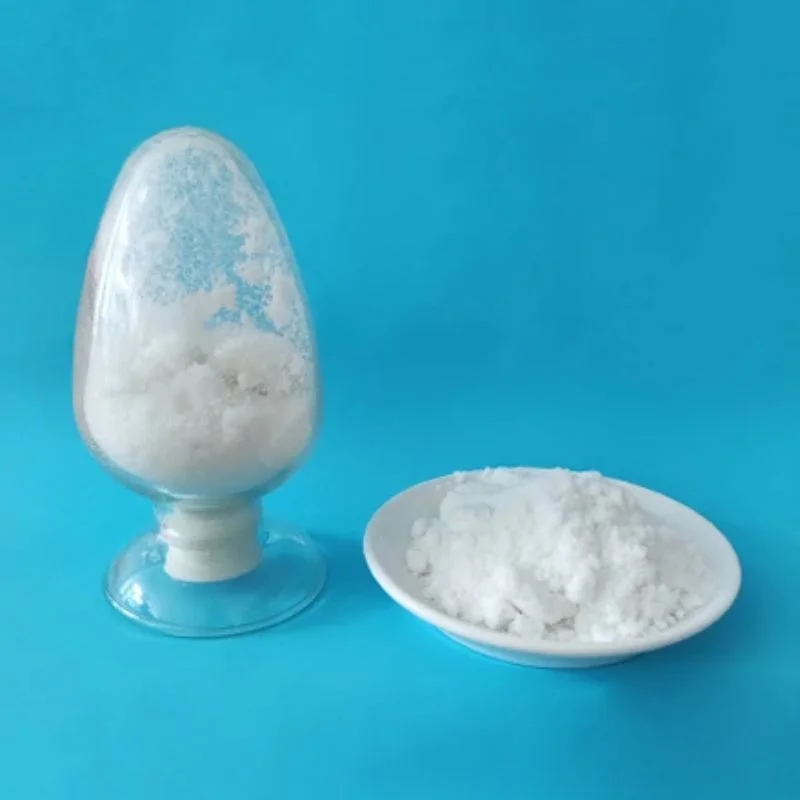
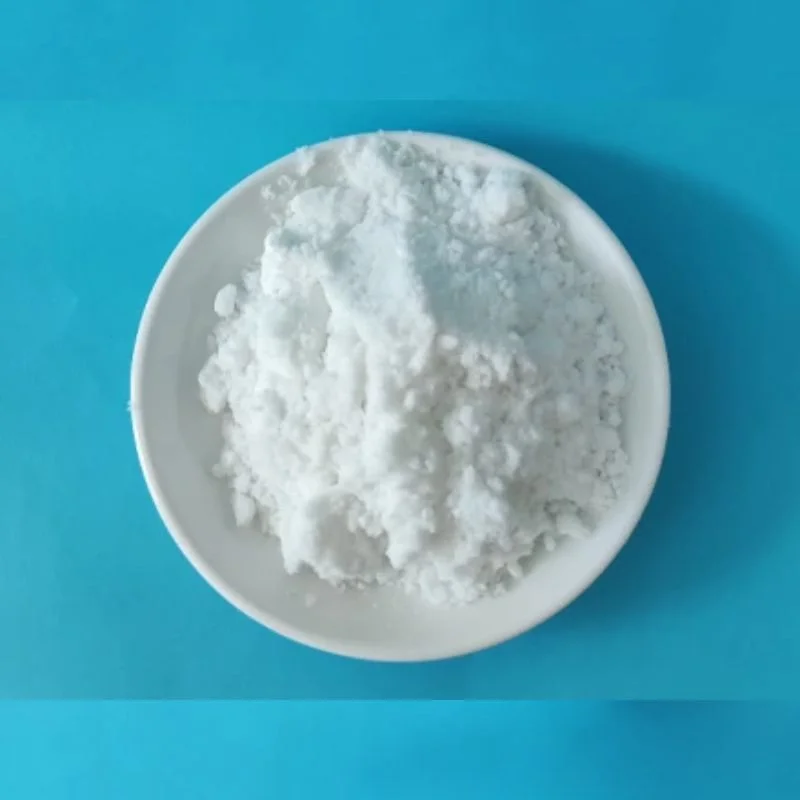
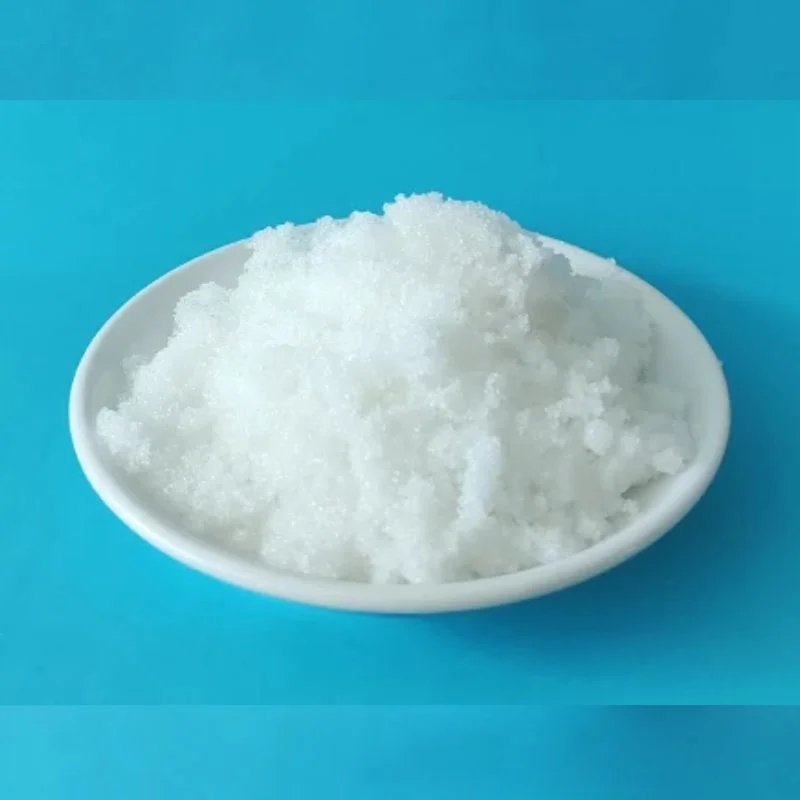
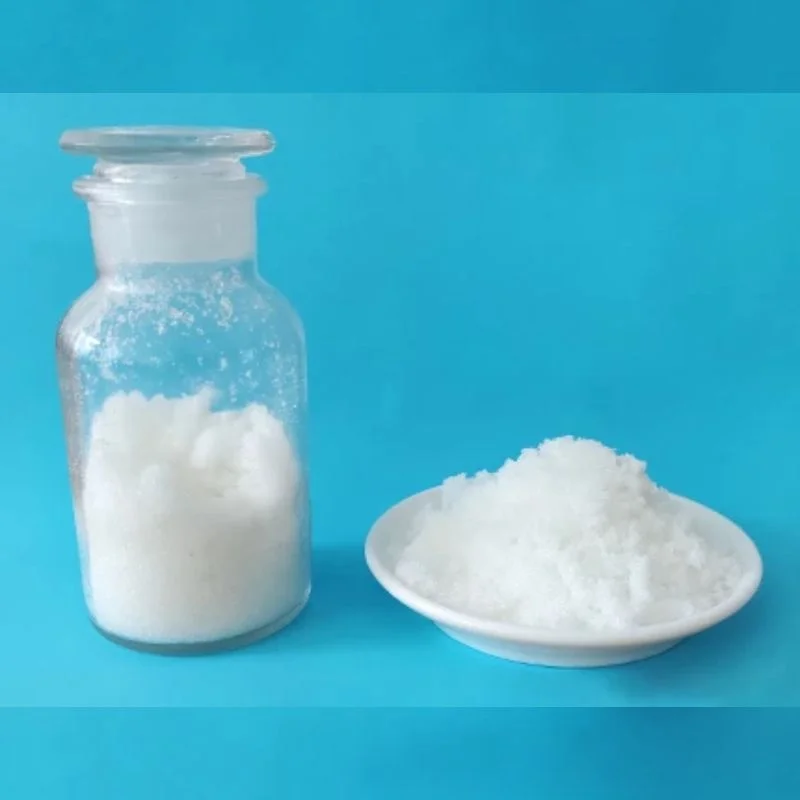
Chemical-intermediate selection starts with the requirements of the downstream process. TY-Sodium Acetate is an industrial-use sodium acetate anhydrous described as white crystals. The stated formula is CH3COONa, with purity of 99%.
State the downstream chemistry and constituent requirements
Identify the intended process and the material limits that determine whether a sample can be accepted. Request current purity and impurity analysis on the reporting basis needed by the project. An intermediate-use description does not establish a reaction route, conversion yield or finished-product result.
Keep the anhydrous designation with the sample records
Confirm the current identity and any moisture information relevant to the intended use. Link these documents to the actual crystals supplied for assessment. The model name is useful for the enquiry, while the current sample reports provide the evidence needed for comparison.
Separate physical measurements from process conditions
The reported melting point is 324°C and density is 1.53 g/cm³. Ask for the test methods and preserve the stated measurement basis. Neither figure provides an operating temperature, preparation recipe or assurance of compatibility with a particular process.
- Water solubility
- The material is reported as easily soluble in water; a numerical limit and dissolution time are not specified.
- Application evidence
- Review the actual-process assessment against the agreed constituent and product requirements.
Water-treatment and textile-dyeing enquiries need their own qualification. Keep current technical and handling documents with the analytical record and trial observations before making the material-selection decision.