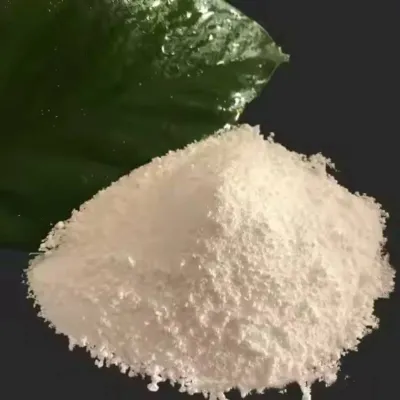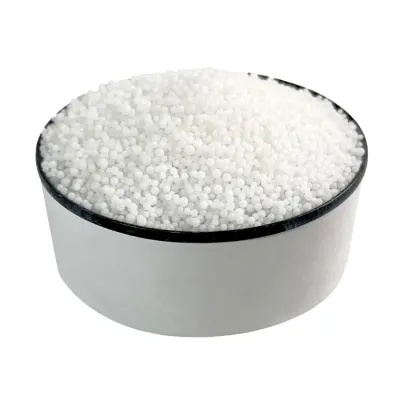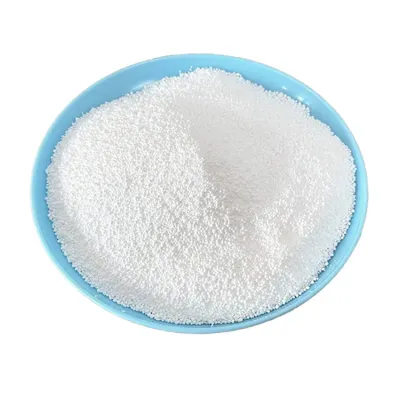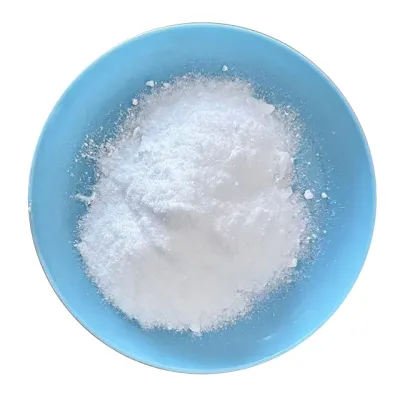
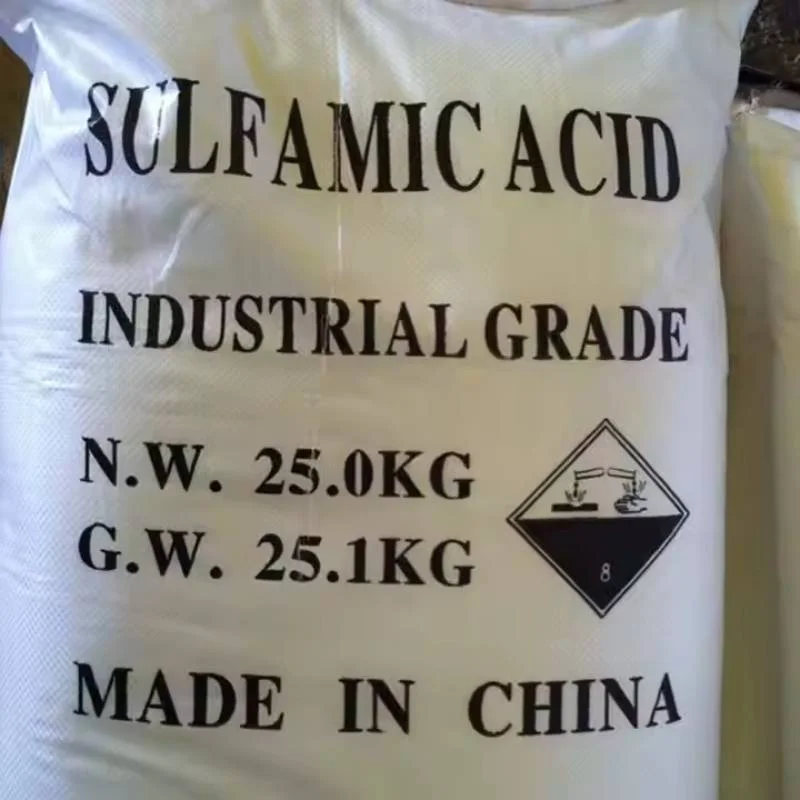
Sulfamic Acid Crystal Powder, 99.5% Min, for Industrial Cleaning and Descaling Enquiries
-
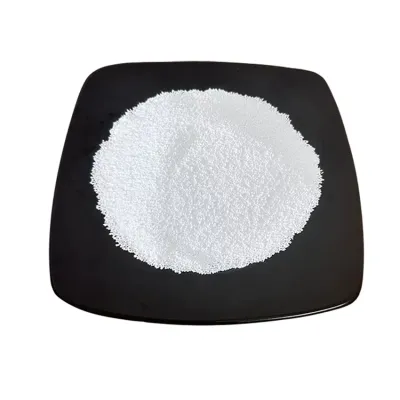
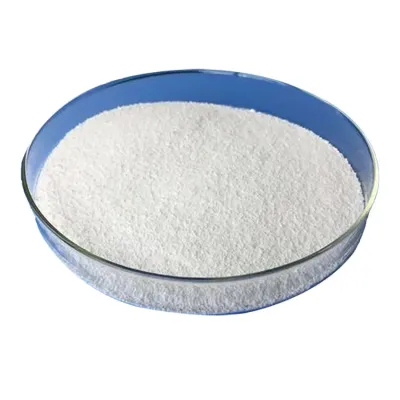
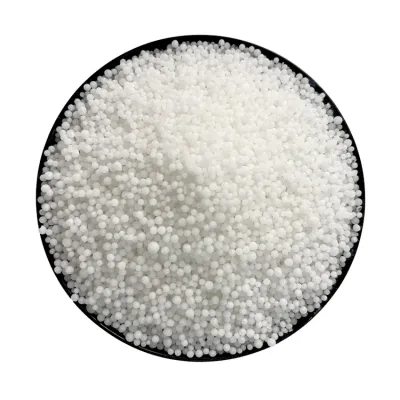
ColorWhitePhysical formCrystalline , Powder
-
CAS No.5329-14-6Purity99.5%
-
AppearanceWhite Crystal PowderApplicationDescaling, Water Treatment, Metal Cleaning, Electr
-
ClassificationSulfuric Acid, Organic AcidEINECS No.226-218-8
-
Grade StandardIndustrial GradeMolecular FormulaNH2SO3H
-
Other NamesAmidosulfonic Acid, Sulphamic AcidProduct NameSulfamic Acid
-
Molecular Weight97.09SolubilitySoluble in Water
-
Density2.13 g/cm³MOQ1 MT
-
Packaging25kg Bag, 500kg Bag, 1000kg Jumbo BagSupply Ability5000 MT per Month
-
SampleAvailableCertificateCOA, MSDS, TDS, ISO
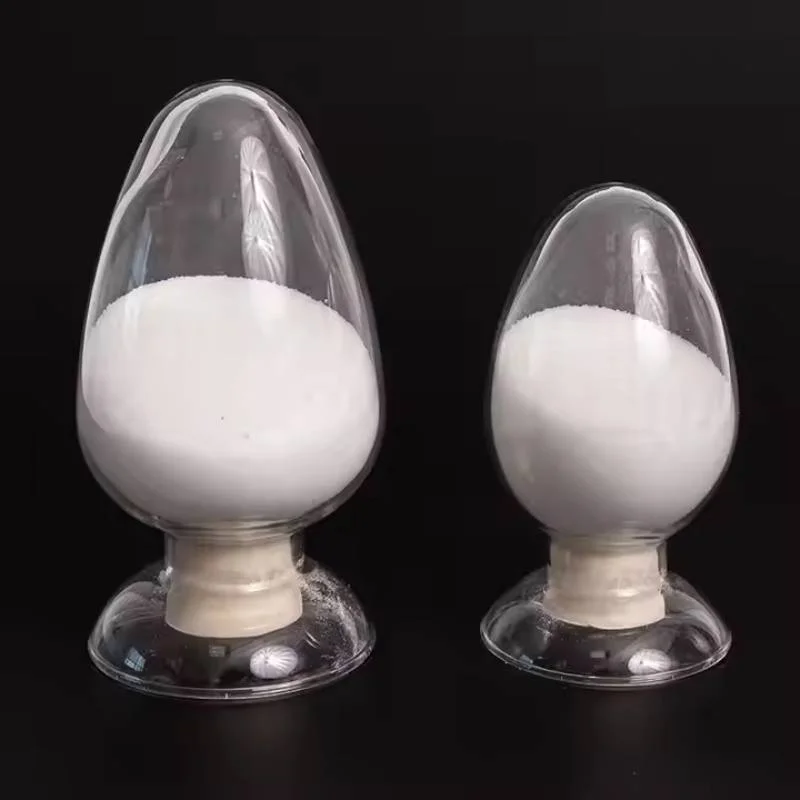
An incoming-material record helps separate a purity requirement from an application decision. This industrial sulfamic acid is described as white crystal powder with a 99.5% minimum-purity designation. Its stated formula is NH2SO3H.
Confirm the minimum-purity designation with current analysis
Request the assay method and reporting basis for the actual sample supplied for evaluation. Include the impurity limits that matter to the intended project. Keep the identity and analytical records together so comparisons are made between clearly documented materials.
Read density and solubility as material information
The reported density is 2.13 g/cm³, and the powder is described as soluble in water. Ask for the density measurement method and any particle information required for comparison. These statements do not establish bulk density, dissolution speed or the conditions for an industrial cleaning process.
Choose the trial around the intended cleaning task
Descaling, water treatment and metal cleaning are named enquiry contexts. Define the actual substrate or system, the project objective and the measurements used for acceptance before testing. A minimum-purity designation does not guarantee compatibility, removal performance or a universal operating recipe.
- Incoming material
- Review current identity, purity and constituent analysis for the evaluation sample.
- Application decision
- Assess controlled process observations against the requirements agreed for that project.
Request the applicable technical and handling documents with the sample brief. Retain the actual material identity and trial record throughout qualification, and review any required current certification separately before making the final selection.