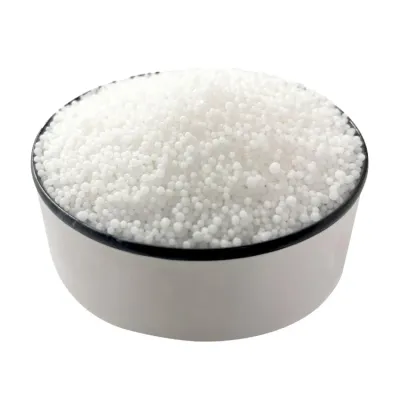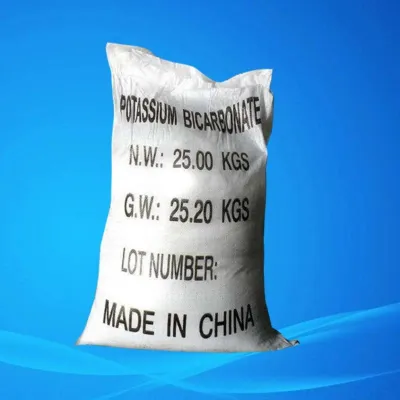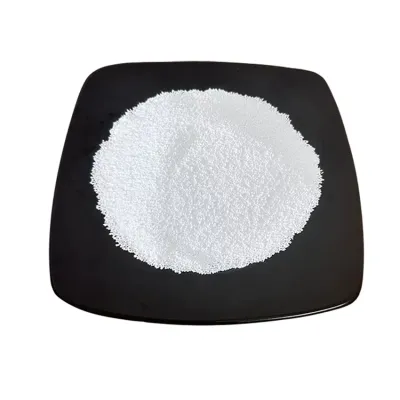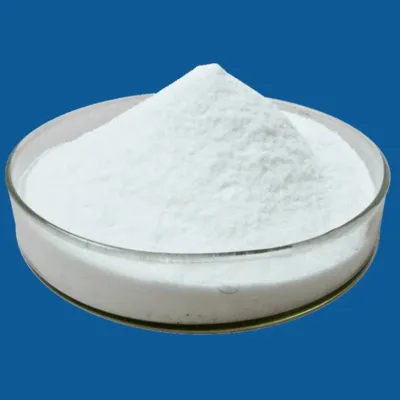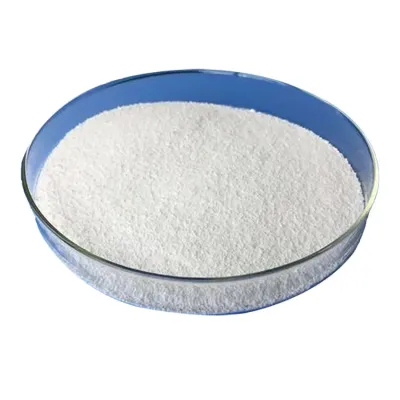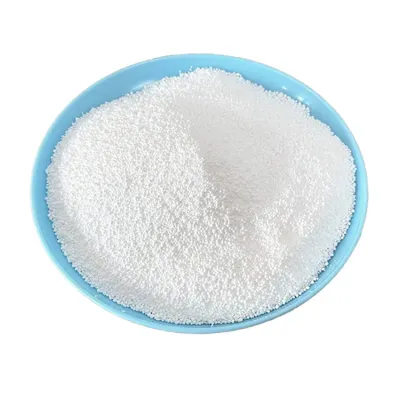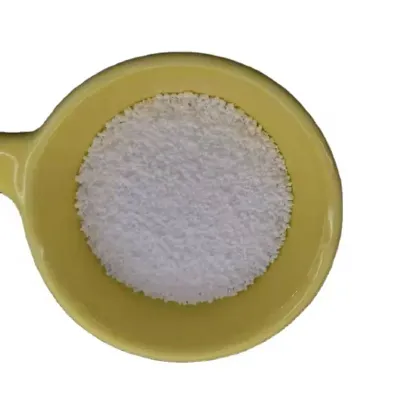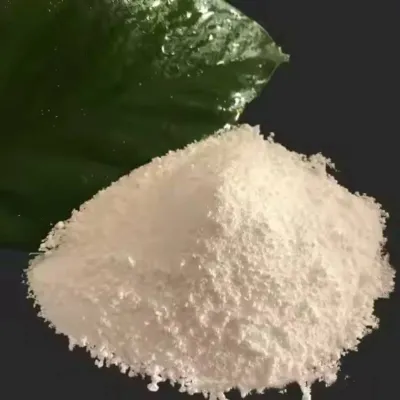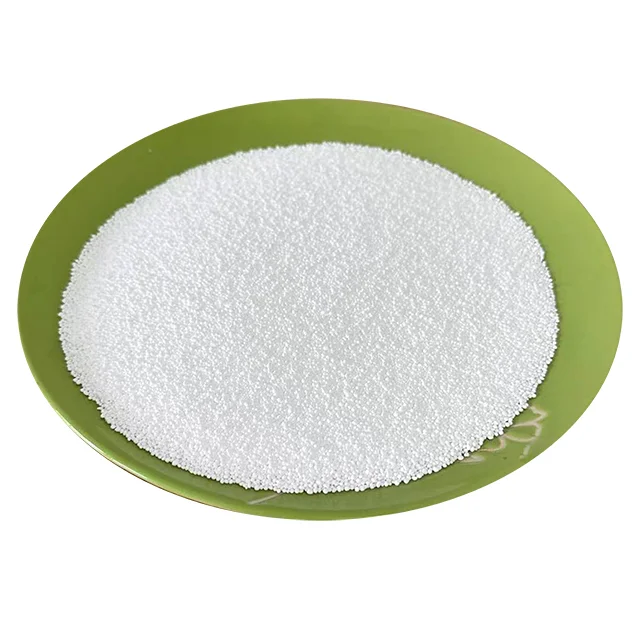
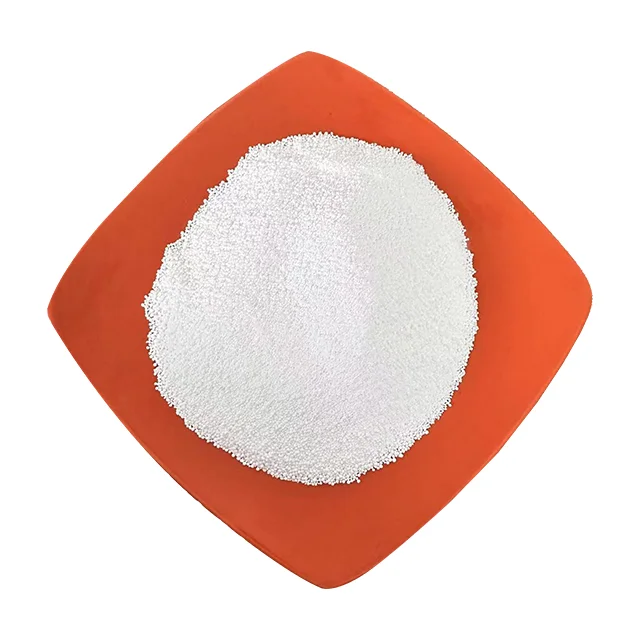
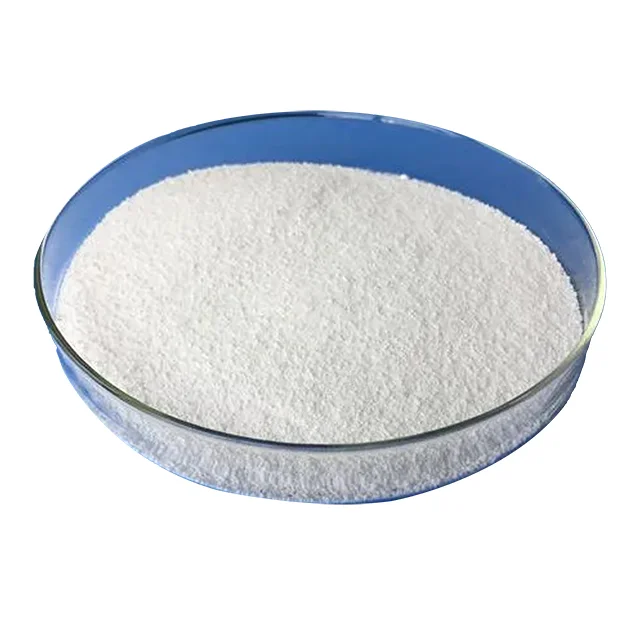
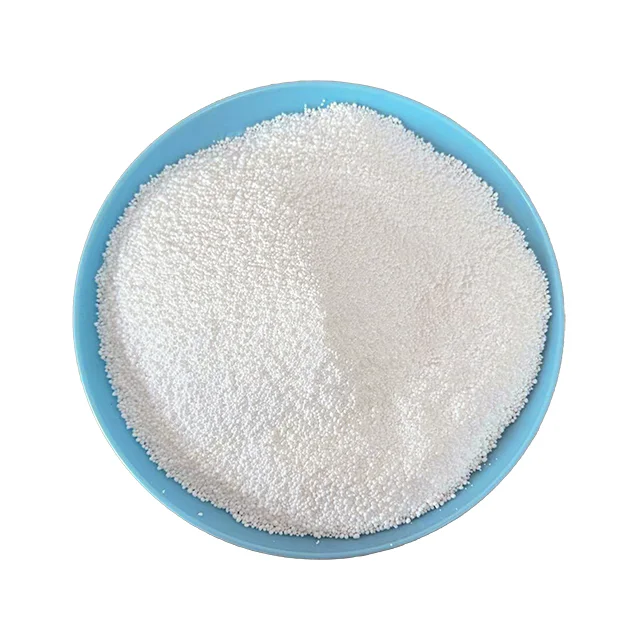
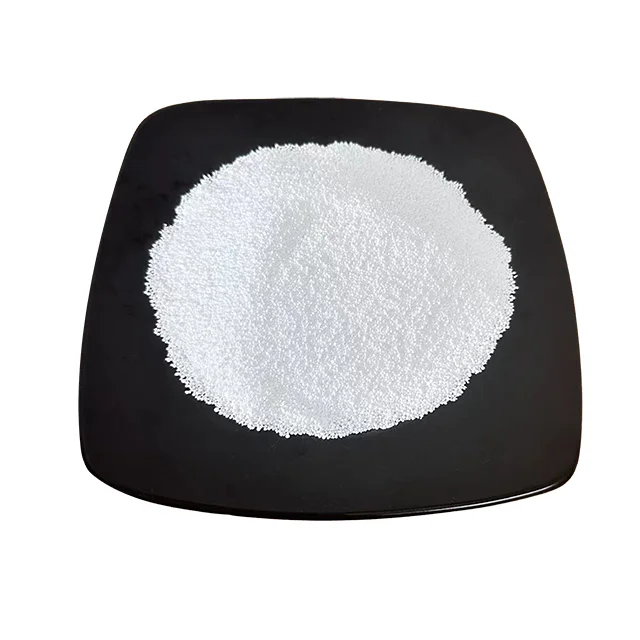
TY-K2CO3 Potassium Carbonate K2CO3 99% Minimum Industrial White Powder for Process Evaluation
-
ColorWhitePhysical formPowder
-
CAS No.584-08-7Purity99%
-
AppearanceWhite powderApplicationGlass Manufacturing, Fertilizer, Detergent, Food A
-
ClassificationCarbonateEINECS No.209-529-3
-
Grade StandardIndustrial GradeMolecular FormulaK2CO3
-
Other NamesPotash CarbonateTypePotassium Carbonate, Potassium Carbonate
-
Molecular Weight138.21Density2.43 g/cm³
-
SolubilityEasily Soluble in WaterpH ValueStrongly Alkaline
-
MOQ1 MTPackaging25kg Bag, 1000kg Jumbo Bag
-
Supply Ability5000 MT per MonthSampleAvailable
-
CertificateISO, COA, MSDS, Halal, Kosher (Food Grade)
A minimum-purity enquiry needs a current analysis for the exact material being considered. TY-K2CO3 is the actual model for this industrial white potassium carbonate powder, K2CO3. It carries a 99% minimum purity designation and stated density of 2.43 g/cm³.
Check the current TY-K2CO3 assay and remaining constituents
Request sample-linked analysis and confirm the reporting basis for the purity result. Identify any impurity limits that the proposed process must meet. A minimum assay does not by itself define the acceptable concentration of every remaining constituent.
Define the physical and solution evidence needed
The material is described as easily soluble in water and strongly alkaline. Ask for the measurement conditions relevant to the project's comparison. Obtain particle or moisture reports where needed, and confirm the density method without assuming that it describes bulk handling.
Choose acceptance tests for the actual industrial use
Glass manufacturing, fertilizer and detergent are the identified evaluation contexts. Specify the formulation or process and the finished-material results that matter to the project. Assess the actual sample under controlled conditions rather than treating the chemical name as a performance guarantee.
- Which documents should be requested?
- Current assay, relevant constituent and physical-property reports, and applicable technical documentation.
- What establishes a specialised grade?
- The actual evidence required for that intended use, beyond an industrial purity description.
Keep the reports associated with the exact model sample tested. Review the trial outcome and applicable qualification documents before accepting the material for the project.