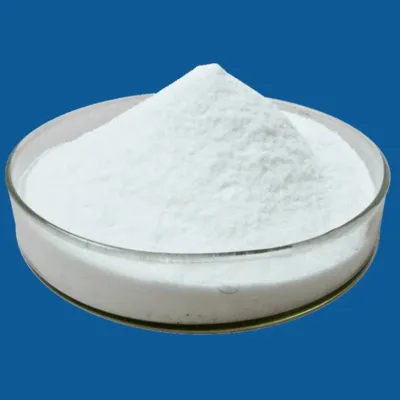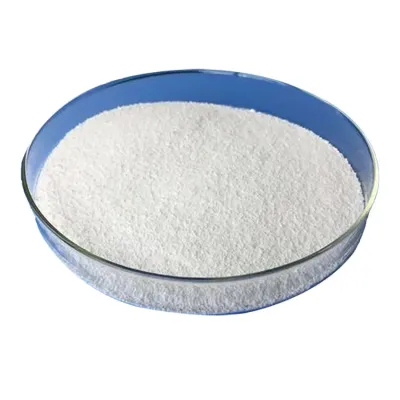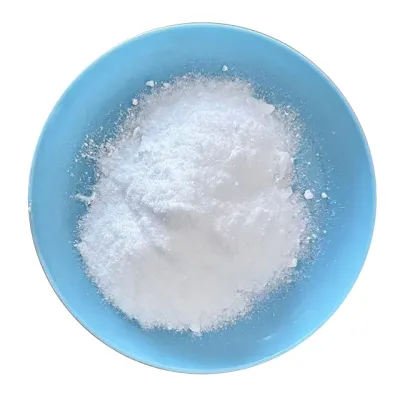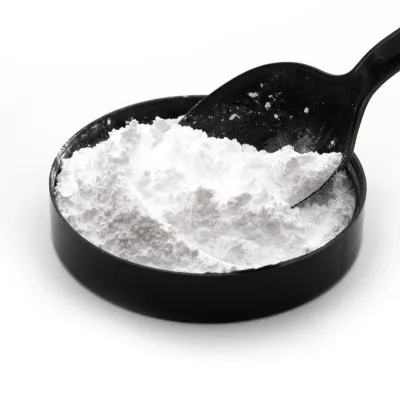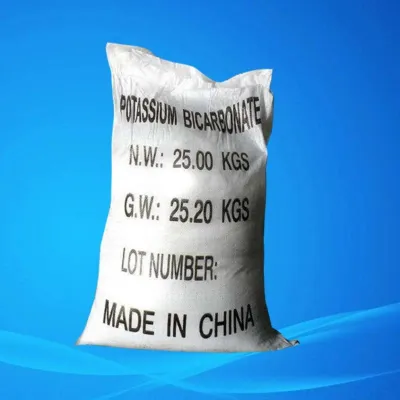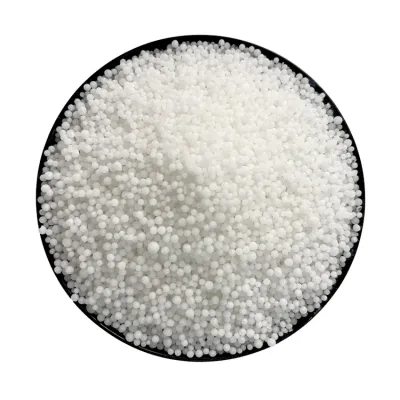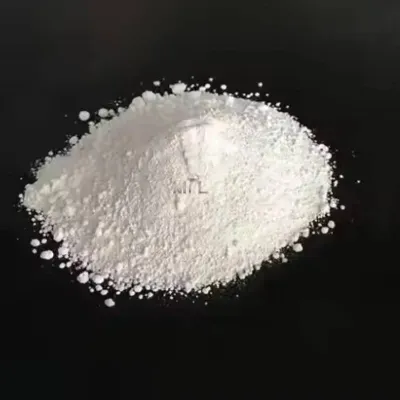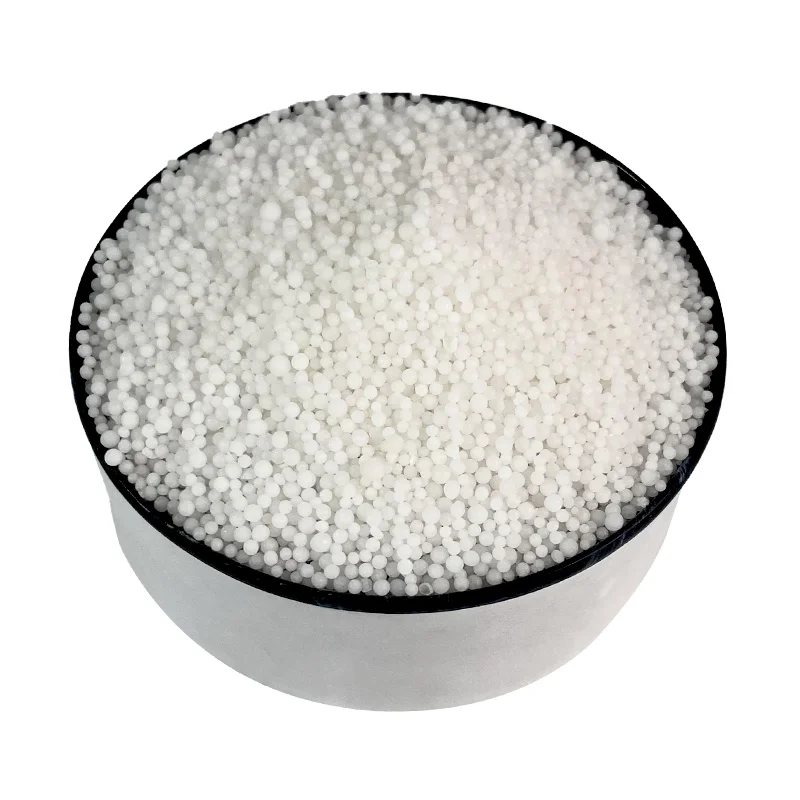
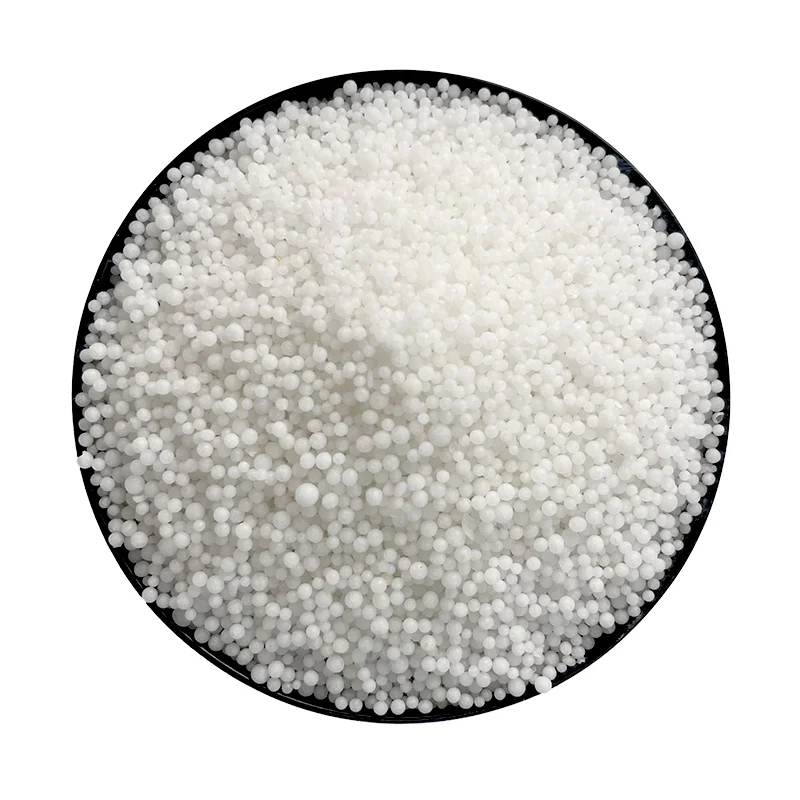
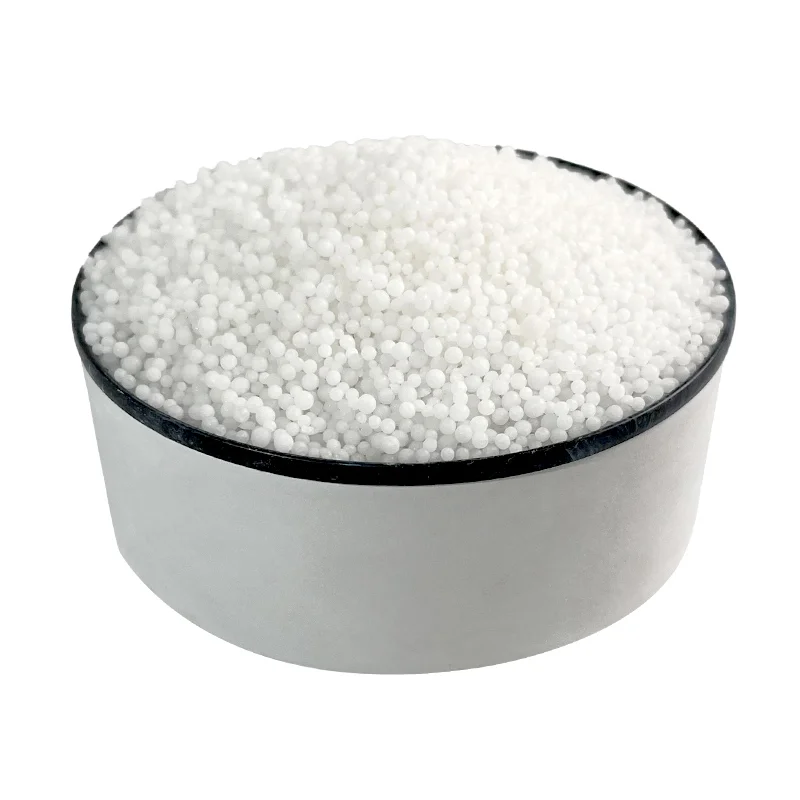
Water-Soluble Potassium Carbonate K2CO3 Powder, 99% Purity, TY-K2CO3, for Dissolution Assessment
-
ColorWhitePhysical formPowder
-
CAS No.584-08-7Purity99%
-
AppearanceWhite powderApplicationGlass Manufacturing, Fertilizer, Detergent, Food A
-
ClassificationCarbonateEINECS No.209-529-3
-
Grade StandardIndustrial GradeMolecular FormulaK2CO3
-
Other NamesPotash CarbonateTypePotassium Carbonate, Potassium Carbonate
-
Molecular Weight138.21Density2.43 g/cm³
-
SolubilityEasily Soluble in WaterpH ValueStrongly Alkaline
-
MOQ1 MTPackaging25kg Bag, 1000kg Jumbo Bag
-
Supply Ability5000 MT per MonthSampleAvailable
-
CertificateISO, COA, MSDS, Halal, Kosher (Food Grade)
A dissolution enquiry should specify how the actual powder will be compared and which result is acceptable. TY-K2CO3 is industrial white potassium carbonate, K2CO3, with stated purity of 99%, density of 2.43g/cm³ and an easily water-soluble description for material screening.
Define the dissolution-time comparison
Ask for a measured result and the method used to obtain it if dissolving speed matters to the project. Agree the relevant test conditions before comparing materials, because qualitative easy solubility does not provide a guaranteed dissolution time or a preparation instruction.
Review the chemical and powder properties together
Request current assay, individual impurity limits, moisture and any relevant particle measurements for the actual model. These reports help define the grade being assessed, while the stated density alone does not establish the powder’s dissolution response in the intended process.
- Rate question
- Which defined method and measured outcome will be compared?
- Grade question
- Which chemical and powder limits must the offered model meet?
Set the application trial and document requirements
The material is described as strongly alkaline, with no numerical pH established by that wording. Define the actual glass, fertilizer or detergent qualification requirements and obtain current safety and applicable certification documents before drawing conclusions about a specific use.
Samples are available, with terms and the accompanying reports to confirm. Include the model, required dissolution assessment and accepted process measurements in the enquiry so the comparison answers a real technical question without an assumed fast-dissolving guarantee, operating recipe or food-grade approval.