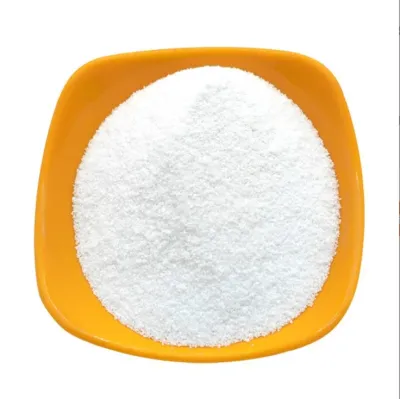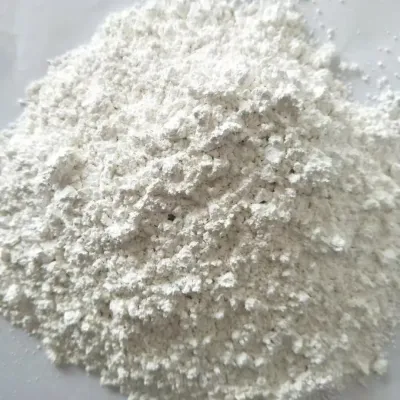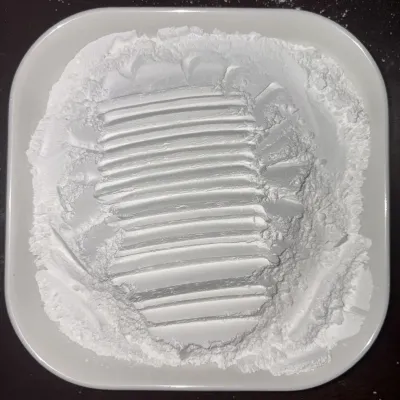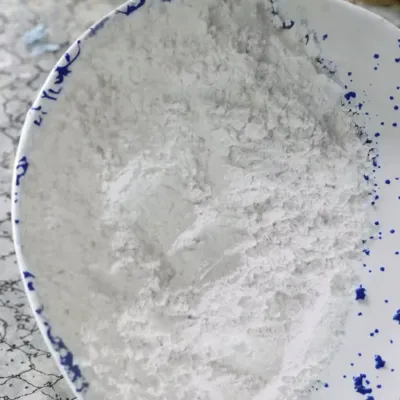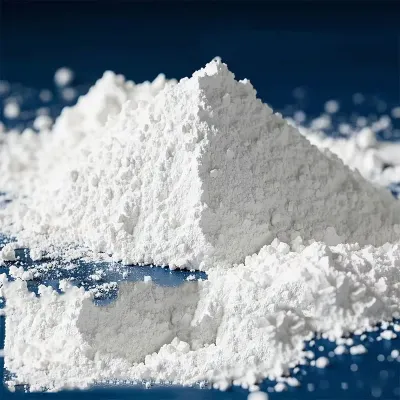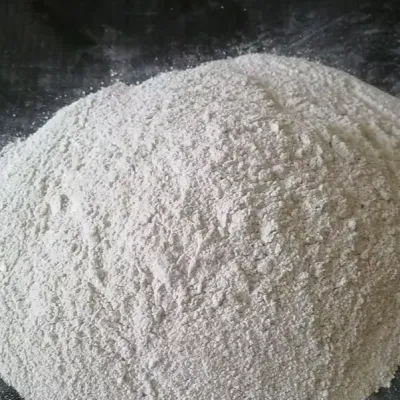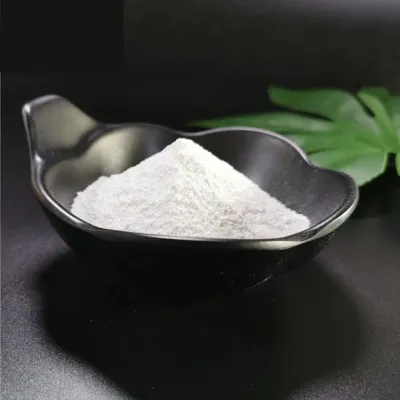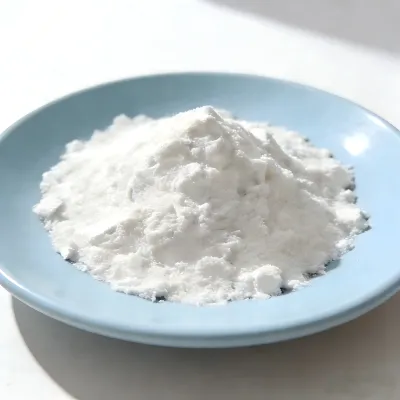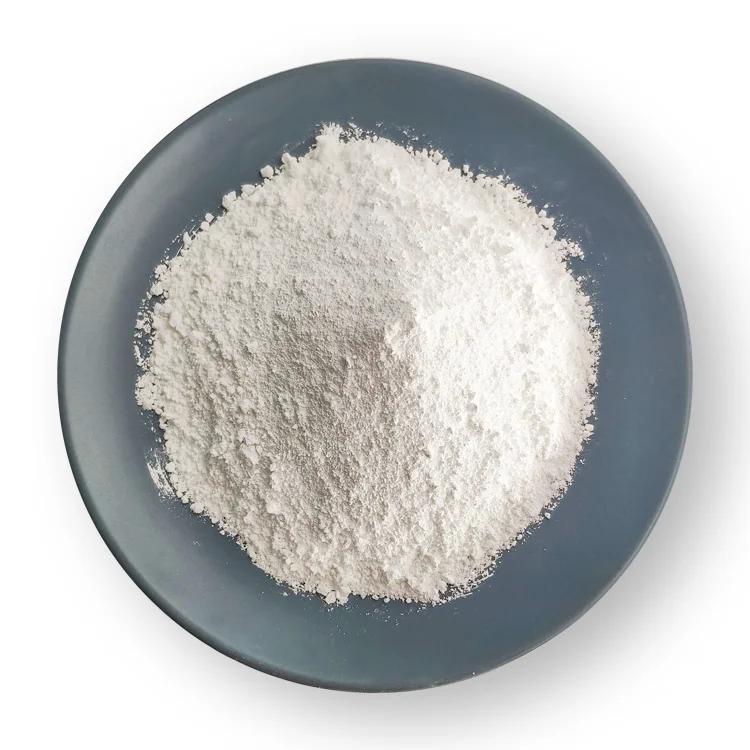
White Talc Powder for Plastic Impact-Response Evaluation, 88–99% Whiteness and 55–60% SiO2
-
ColorWhitePhysical formPowder
-
Model NumberTalcProduct nameTalc Powder
-
AppearanceWhite Color PowderWhiteness88~99%
-
SiO255-60%PH7-9
-
Oil Absorption0.5(G/100g)Moisture (%)0.5 Max
-
Loss of Ignition(1000C) %7Water Solute (%)0.1 Max
A plastics trial should measure the impact response required by the actual polymer system. This white talc powder has 88–99% whiteness, 55–60% SiO2 and pH 7–9 for material screening, with further grade definitions needed before a performance conclusion.
Review the conditioned mineral measurements
Moisture is 0.5% maximum, and water-soluble content is 0.1% maximum. Loss on ignition is 7% at 1000°C; confirm the methods and current results while keeping the temperature attached to that technical measurement.
Define fineness and treatment for the polymer
Request measured particle size, relevant morphology information and any surface treatment details for the offered talc. Review the stated oil absorption of 0.5g/100g with its method, rather than using a raw-material number as proof of compatibility or dispersion.
- Mineral specification
- Use current composition, optical and powder measurements.
- Polymer specification
- Define the actual resin, processing conditions and impact-test acceptance criteria.
Establish the actual impact result
Evaluate the grade in the intended plastic and compare the relevant measured response under agreed conditions. The talc name and composition do not establish improved impact strength or a universal reinforcing effect, and any mineral-screening requirements need applicable documents.
Include the target polymer and requested grade reports in the technical enquiry. Request current offered-grade results before scheduling the polymer trial. A documented mineral profile and a matched plastics trial provide a clear selection path without an untested strength or processing-performance guarantee.