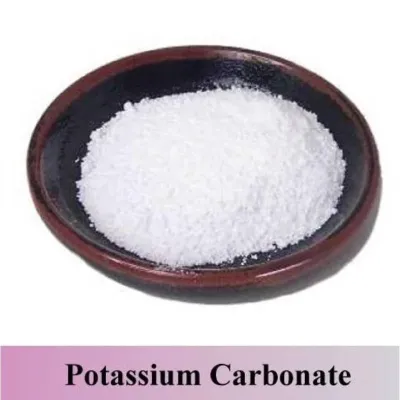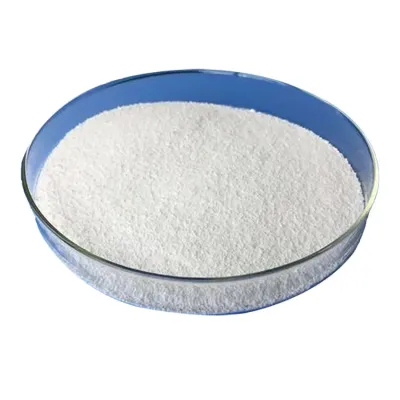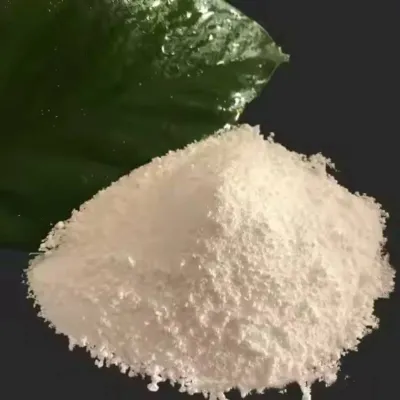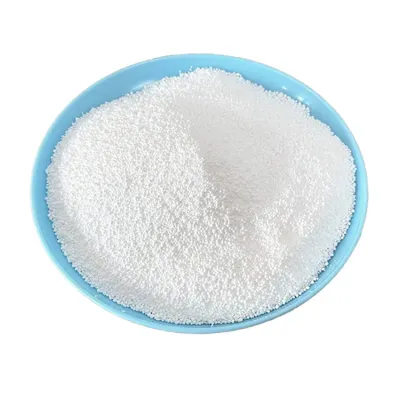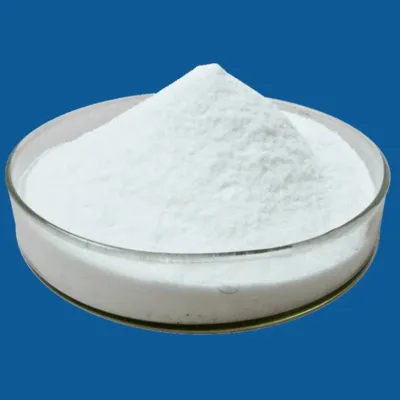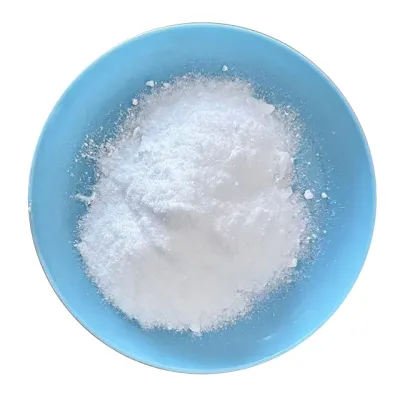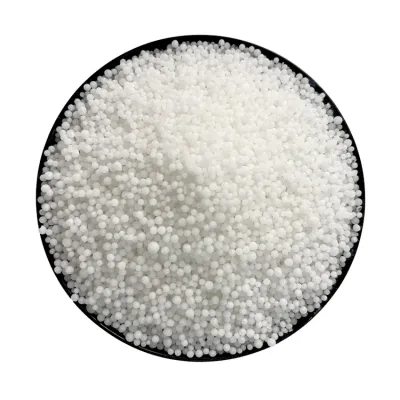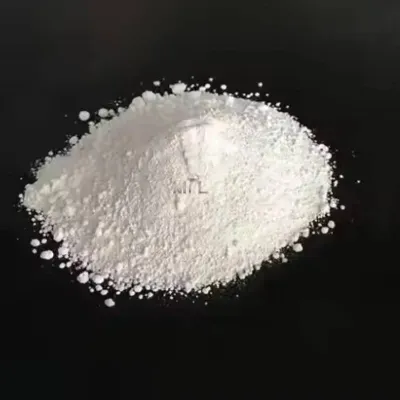
XM-SP10 Anhydrous Sodium Sulphate 99% for Glass, Textile and Detergent Enquiries
-
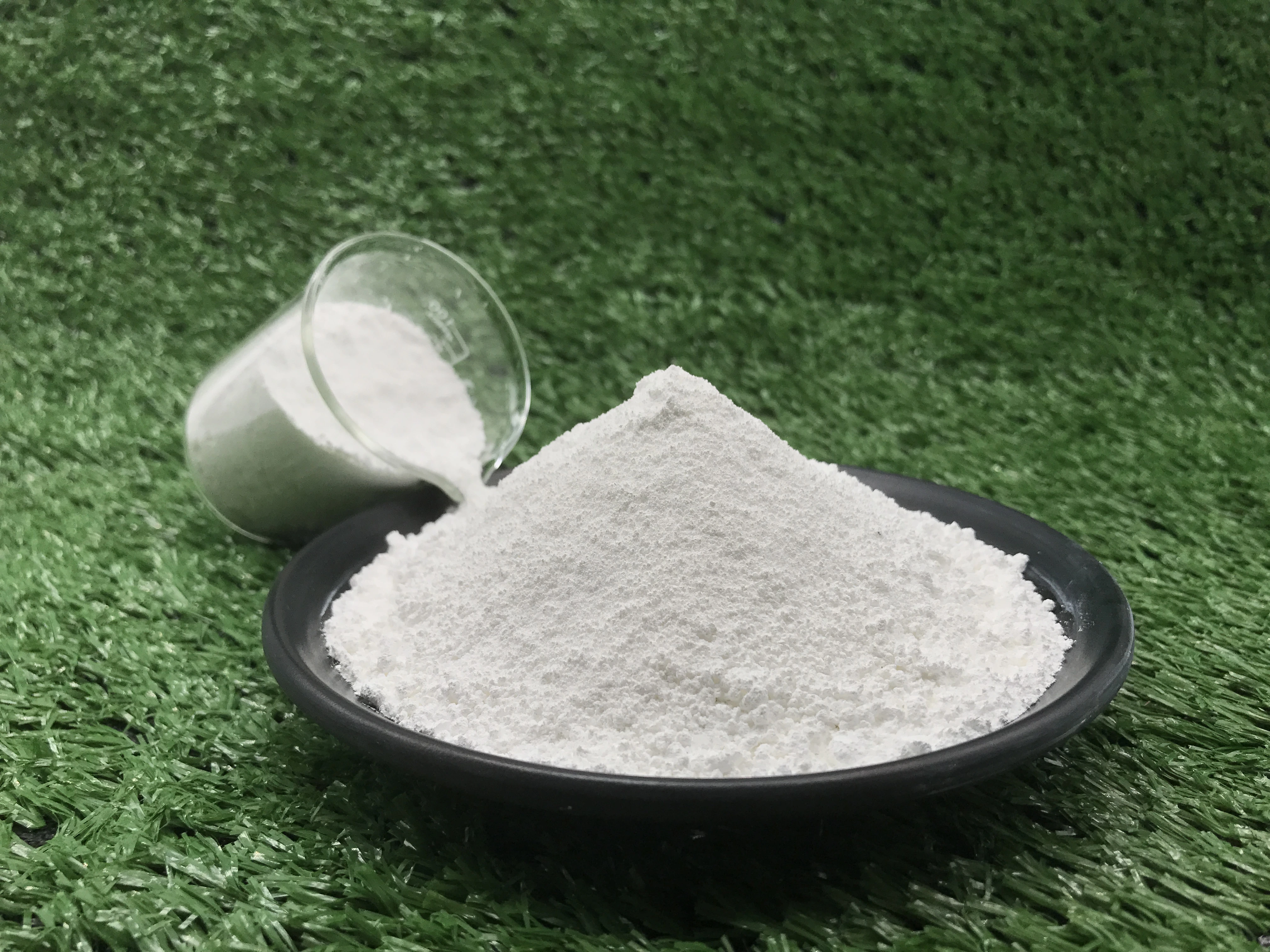
ColorWhitePhysical formPowder
-
CAS No.7757-82-6Purity99%
-
AppearanceWhite PowderApplicationGlass industry
-
ClassificationSulphateGrade StandardIndustrial Grade
-
Molecular FormulaNa2SO4Other Namessodium sulphate anhydrous
-
TypeSodium SulphateModel NumberXM-SP10
-
CAS number7757-82-6CertificationISO9001
-
Whiteness86%Packing25kg/ Plastic Woven Bag
-
UsageChemical industryUsage 1Textile industry
-
Usage 2porcelain glazeUsage 3Filler for synthetic detergent
-
Usage 4analytical reagentSampleAvailiable
XM-SP10 anhydrous sodium sulphate gives an industrial raw-material enquiry a defined salt identity and grade. The white Na2SO4 powder has stated purity of 99% and whiteness of 86%, with several process directions that require their own acceptance criteria.
Keep the anhydrous XM-SP10 identity clear
Specify anhydrous sodium sulphate and the XM-SP10 model when requesting a material assessment. Confirm the offered grade's analysis against the impurity limits required by the process. Neither the chemical name nor the 99% purity alone establishes suitability for every use of a sodium salt.
Ask different questions for glass and detergent use
Glass production and synthetic-detergent filling are both stated directions for XM-SP10. Identify the actual formulation before comparing the industrial powder with another grade. The same source material still needs to be judged against the purpose for which it will be accepted.
- Glass enquiry
- Connect XM-SP10 composition and impurity evidence with the required glass-process specification.
- Detergent enquiry
- Define the synthetic-detergent formulation and the acceptance tests relevant to its filler choice.
Keep industrial scope separate from analytical qualification
Textile processes, porcelain glaze and chemical-industry uses are additional enquiry directions for this sodium sulphate. An industrial-grade description does not establish an analytical-reagent grade or prove suitability for a particular test method. Request the applicable documents when a more specialised standard is required.
For XM-SP10, name the intended process alongside the anhydrous identity and required analysis. That combination gives a sample comparison a concrete purpose without implying universal acceptance across glass, detergent, textile and analytical applications.