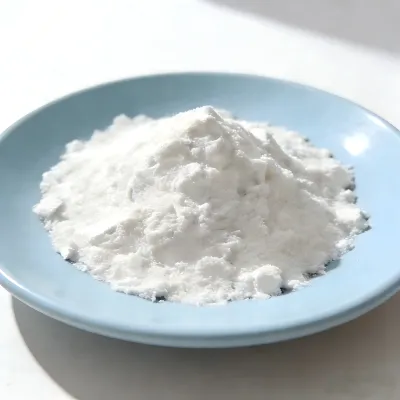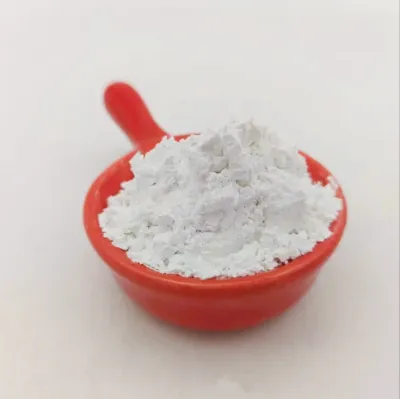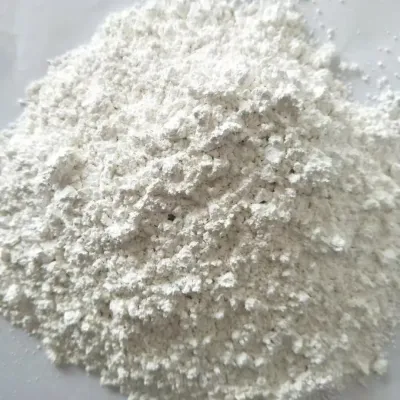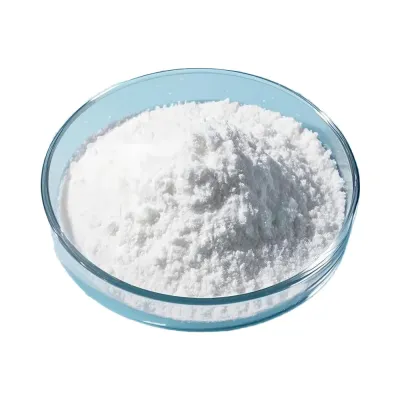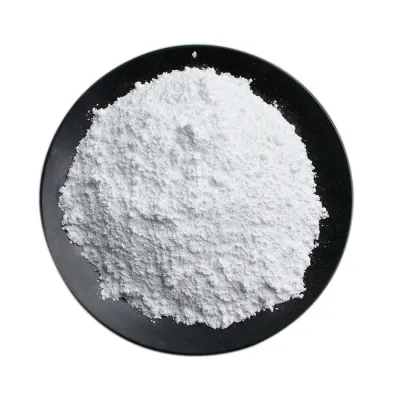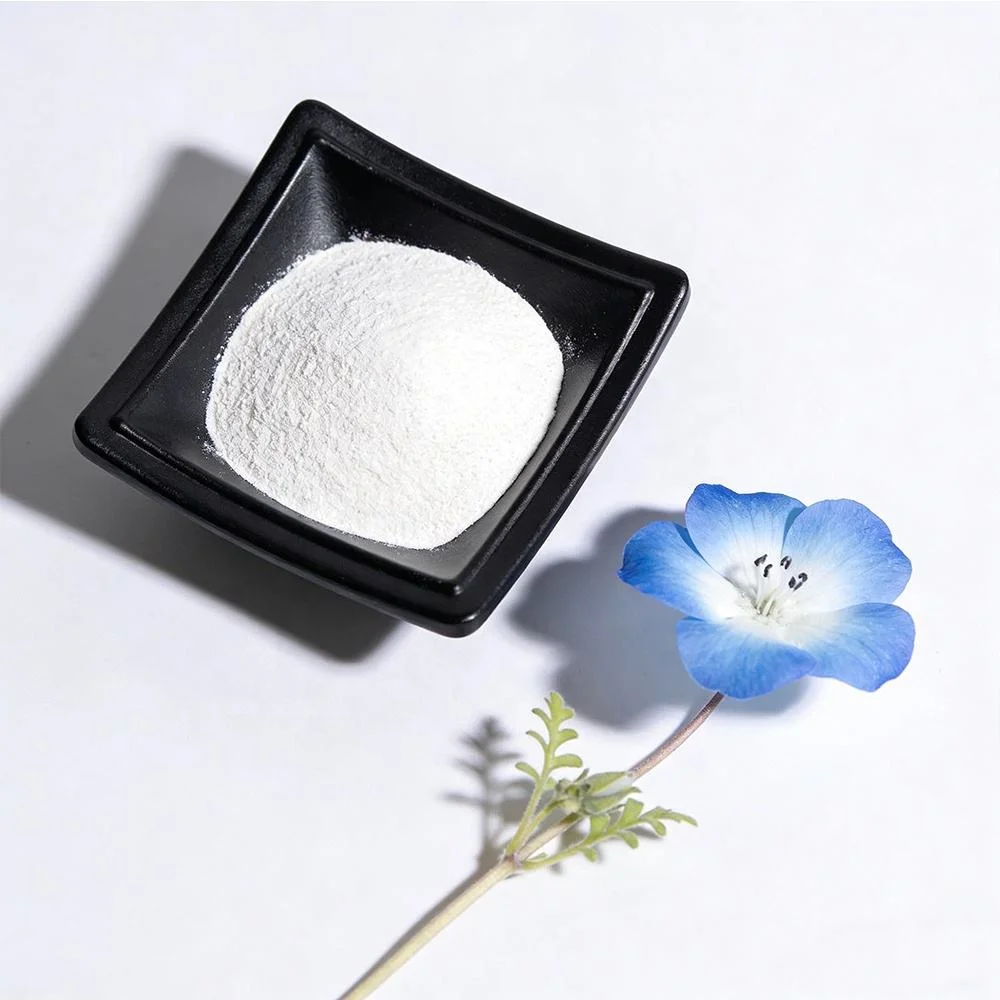

600–3000 Mesh Ground Calcium Carbonate GCC CaCO3 Powder, Reported 96% for Plastic and Rubber Fillers
-
Particle-size designationMesh designationColorWhite
-
Physical formPowder
-
CAS No.471-34-1Purity96%
-
Appearancewhite superfine powerApplicationPaint, Plastic, Rubber, Paper Making, Building
-
ClassificationCarbonateEINECS No.207-439-9
-
Grade StandardIndustrial GradeMolecular FormulaCaCO3
-
Other NamesActivated Calcium CarbonateTypeCalcium Carbonate
Seven mesh-labelled models give this industrial GCC powder a concrete starting point for a plastic or rubber filler enquiry. The ground calcium carbonate is identified as CaCO3 with reported 96% purity, while measured particle distribution and surface-treatment status remain essential selection questions.
Select among the seven GCC mesh labels
The actual model labels are 600, 800, 1250, 1500, 2500, 2800 and 3000 Mesh. Request the measured particle distribution and method for the chosen model; a mesh label should not be converted into a guaranteed D50 or an assumed formulation result.
Clarify the activated-carbonate treatment description
The activated alias does not define treatment chemistry, treatment loading or a verified surface condition. Obtain the actual treatment specification, along with assay basis, moisture, relevant impurities and any required whiteness or oil-absorption measurements.
- Plastic enquiry
- Identify the polymer, intended filler role and actual processing conditions.
- Rubber enquiry
- Define the compound and finished-material criteria needed for acceptance.
- Model enquiry
- Match each selected label to its own analysis and particle data.
Qualify the filler within the actual formulation
Representative processing and finished-material tests should support the grade decision. Neither the GCC name nor fineness wording establishes dispersion, reinforcement, gloss or a universal replacement ratio.
Paint, paper and building-material directions need independent acceptance evidence for their actual roles. Keep industrial material selection tied to the specified mesh model and formulation results rather than transferring performance or food/pharmaceutical qualification from another carbonate grade.