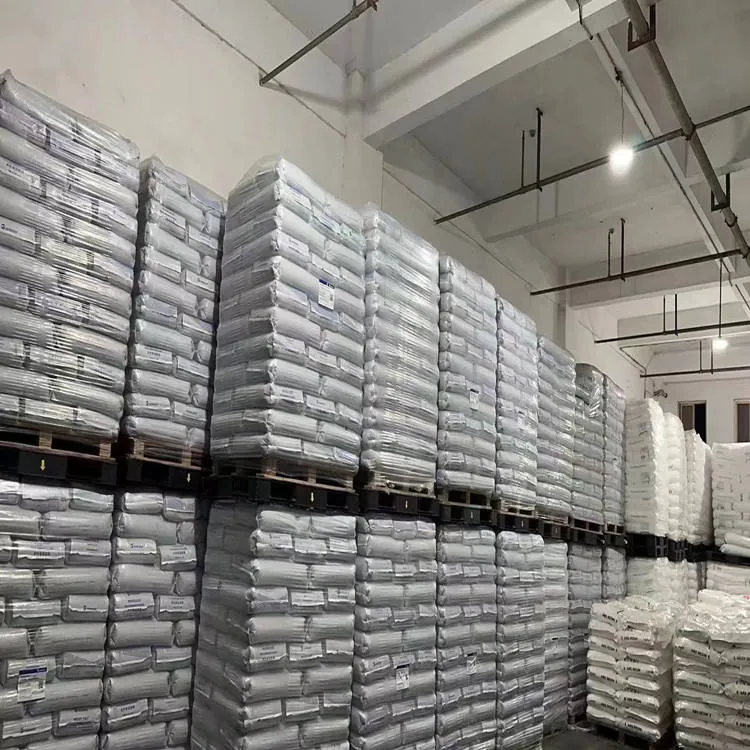
Natural-Designated Barium Sulfate Barite Powder for Drilling Mud, Concrete Filler, Paint and Masterbatch Enquiries
-
Physical formMasterbatch , Powder
-
CAS No.7727-43-7Purity88%-90%
-
AppearanceGrayish-White PowderApplicationDrilling Mud, Concrete Filler, Heavy Weight Aggreg
-
ClassificationNatural Barium SulfateEINECS No.231-784-4
-
Grade StandardIndustrial GradeMolecular FormulaBaSO4
-
Other NamesNatural Barite, Heavy Spar, Barytes PowderTypeBarium Sulfate
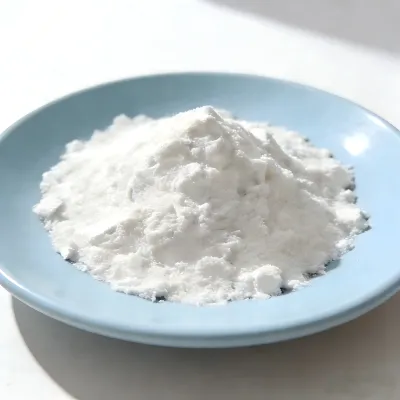
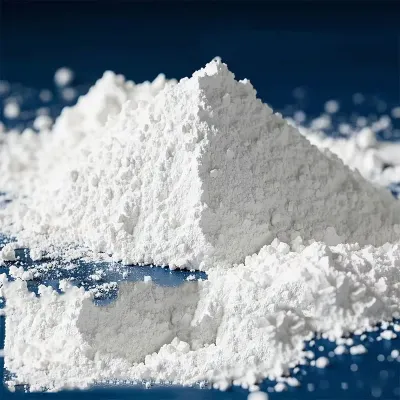
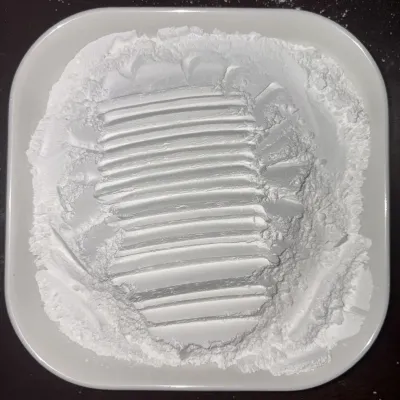
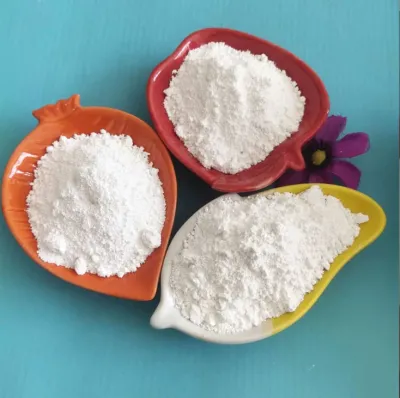
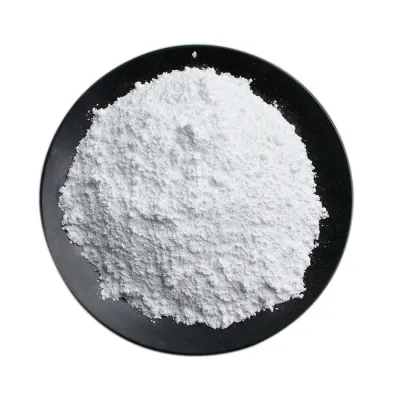
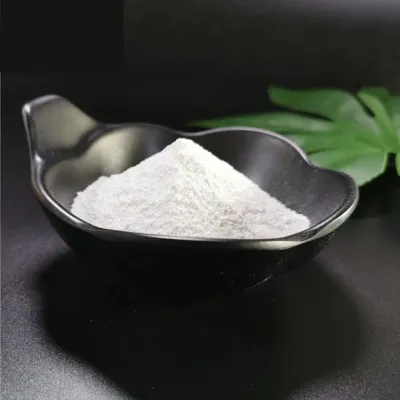
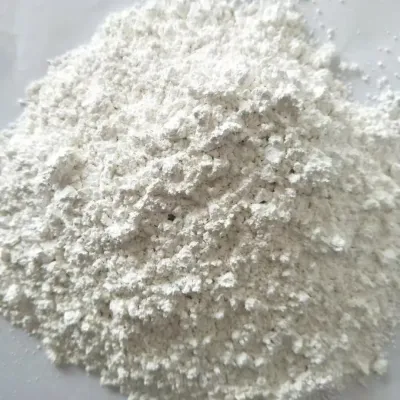
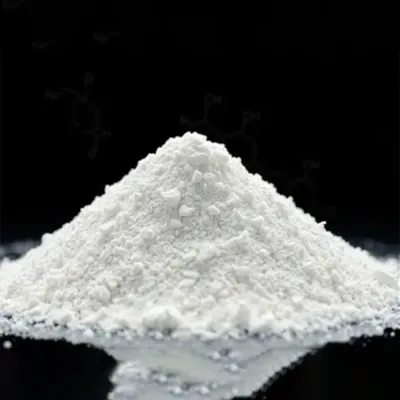
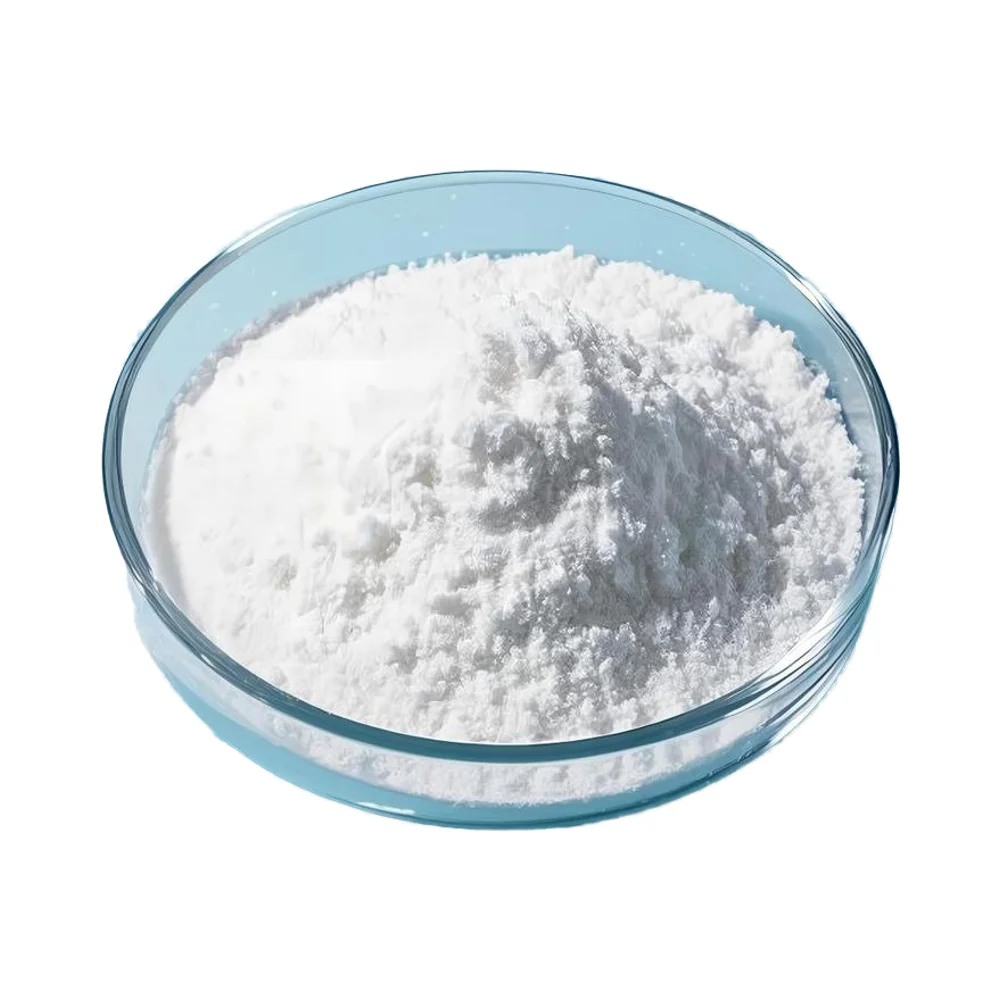
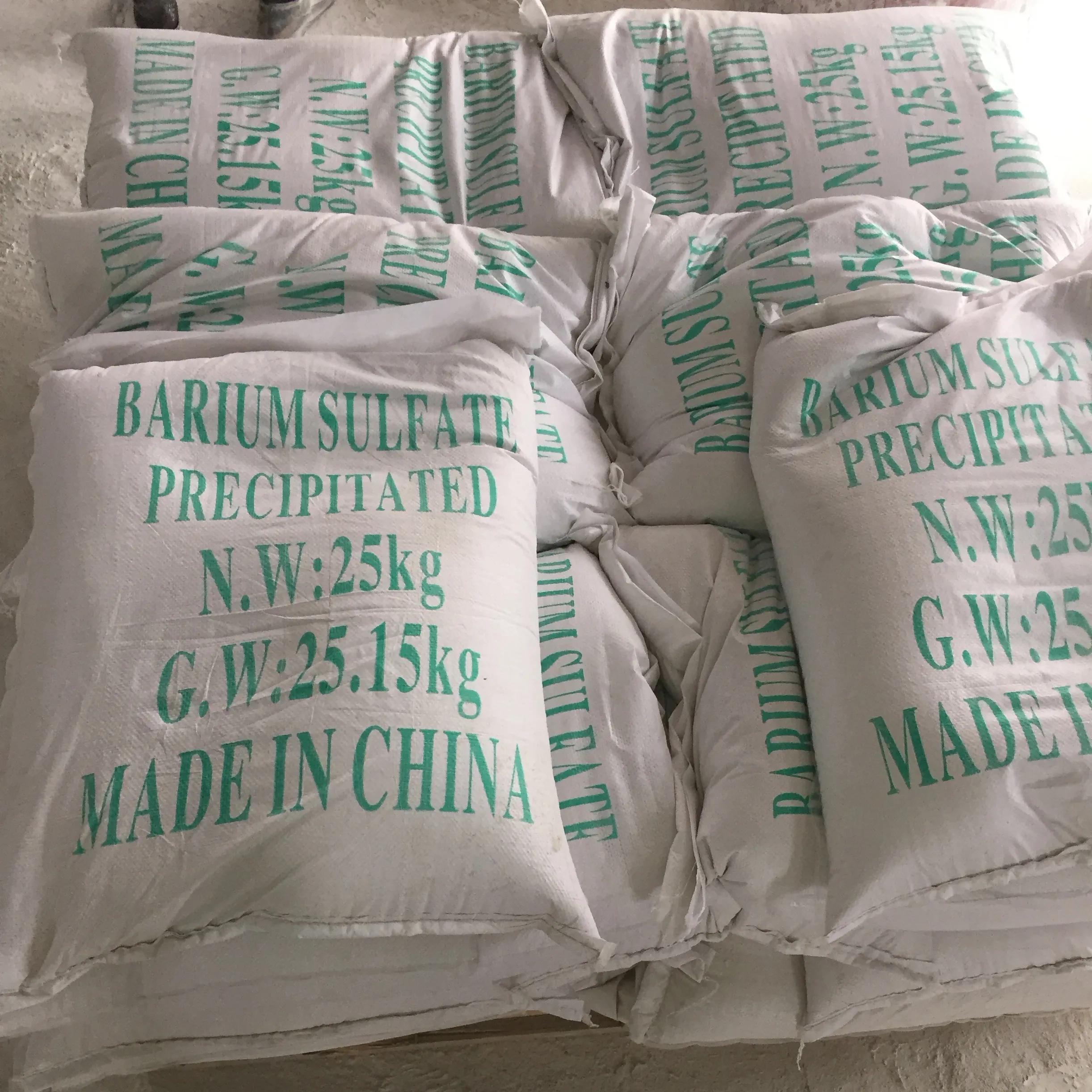
The application grade matters when assessing barite. This industrial barium sulfate is designated natural, with grayish-white powder appearance and a stated purity range of 88%-90%. Natural barite, heavy spar and barytes powder are also names associated with the material.
Identify the intended barite application
For a drilling-mud enquiry, define the fluid requirements and the material tests that apply to the project. For concrete filler, describe the intended concrete system and the acceptance criteria. Neither application name alone establishes an industry approval, a density value or a guaranteed result in the finished system.
Match the powder specification to that use
Request the proposed grade's assay and particle distribution with their test methods. If density or colour is relevant, ask for the actual measurements rather than deriving them from the chemical name. Confirm the grade's technical and safety documents before deciding whether a representative sample should enter qualification.
Considering paint or plastic masterbatch?
Identify the binder or polymer and request separate compatibility and appearance evidence. Grayish-white powder appearance should remain part of that discussion; no gloss, brightness or dispersion improvement is established without relevant testing.
Keep the enquiry tied to one proposed grade
Agree which application is being assessed and record the sample identity alongside its documents. Compare the relevant properties under conditions suited to that application, then confirm the material specification supported by the results. This makes the enquiry useful without assuming one broad mineral designation is interchangeable across drilling, concrete, paint and masterbatch projects.