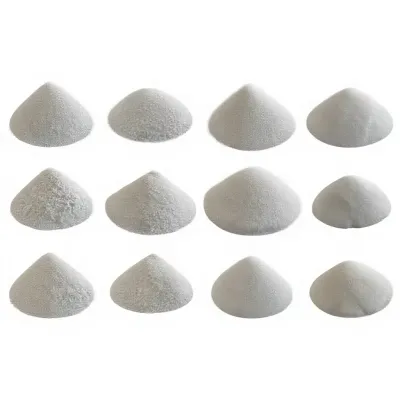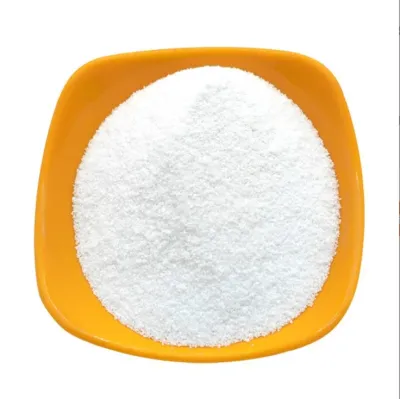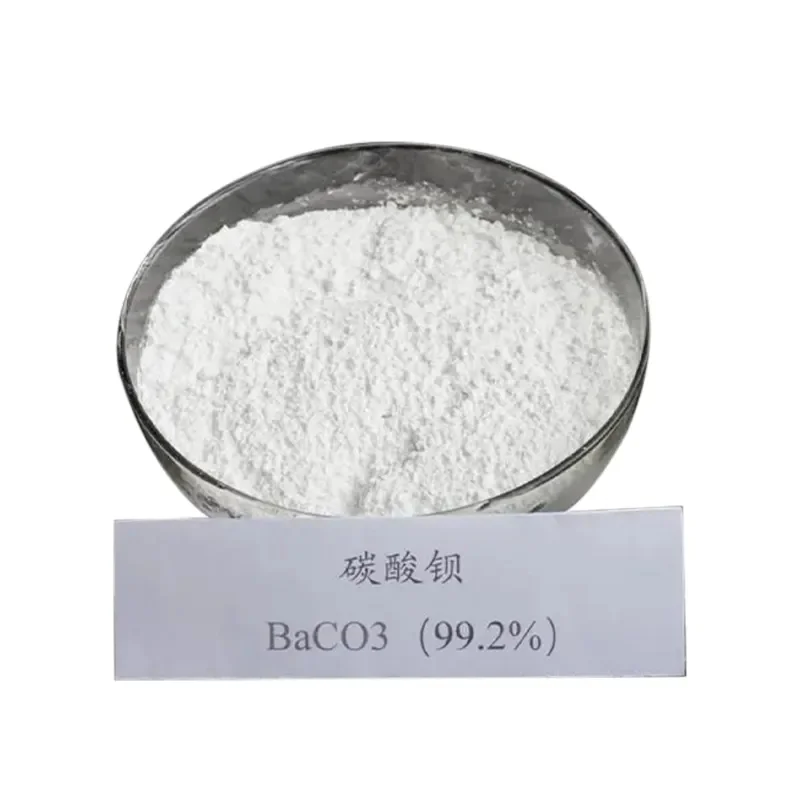
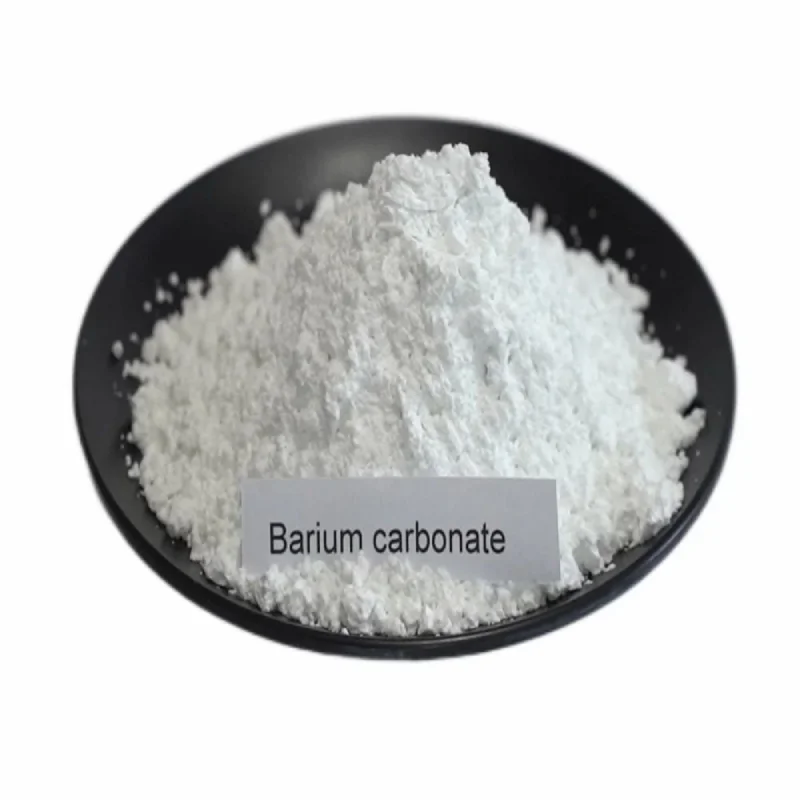
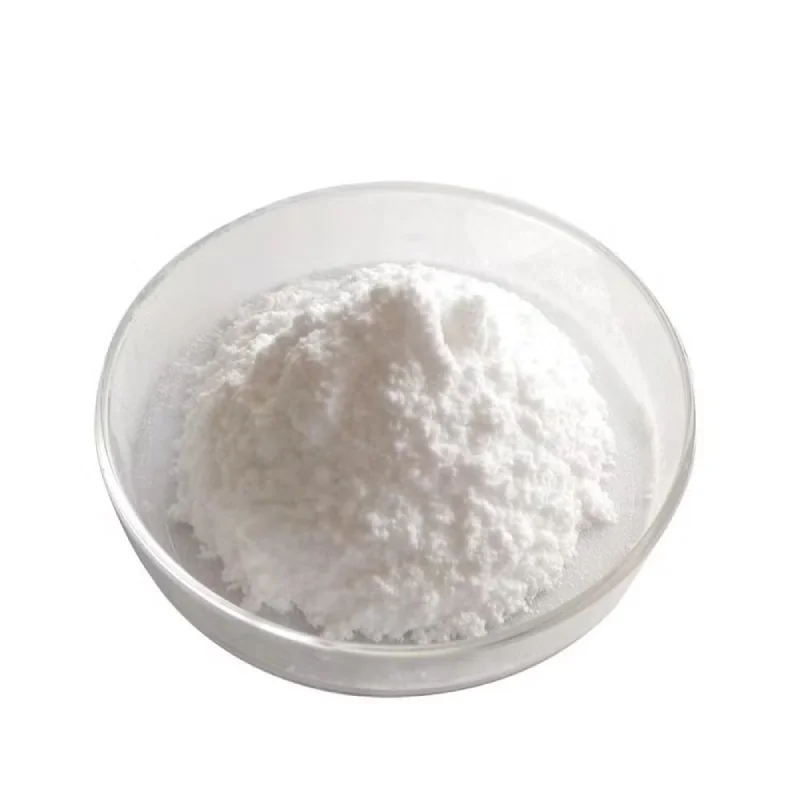
Barium Carbonate BaCO3 Industrial White Powder, 99% Purity and 325 Mesh for Ferrite and Ceramic Trials
-
Particle-size designationMesh designationColorWhite
-
Physical formPowder
-
CAS No.513-77-9Purity99.0%
-
AppearanceWhite PowderApplicationCeramics, Glass, Ferrite, Electronic Industry, Ceramics, Glass, Ferrite, Electronic Industry, Enamel
-
ClassificationCarbonateEINECS No.208-167-3
-
Grade StandardIndustrial GradeMolecular FormulaBaCO3
-
Other NamesCarbonic Acid Barium SaltTypeBarium Carbonate
-
Product NameBarium CarbonateDensity4.43 g/cm³
-
Melting Point811°C (Decomposes)SolubilityInsoluble in Water
-
Particle Size325 MeshStorageCool, Dry and Well-Ventilated Place
-
Shelf Life24 MonthsPackaging25kg PP Woven Bag / 1000kg Jumbo Bag
-
SampleAvailable
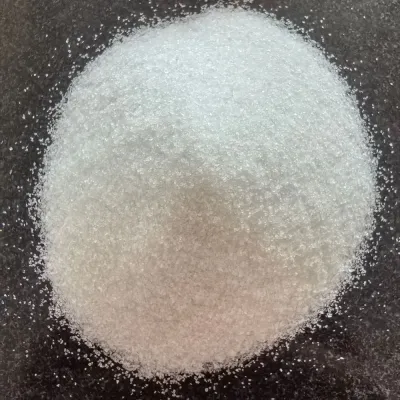
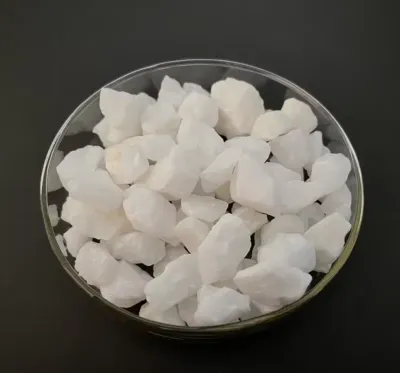
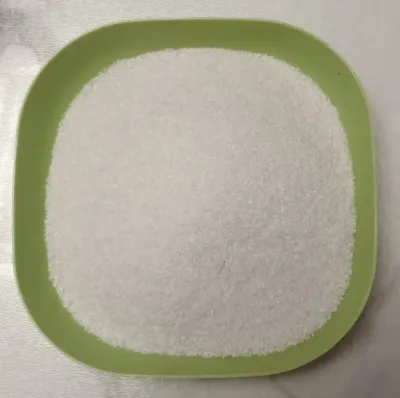
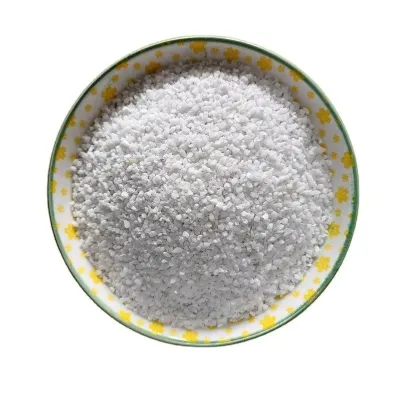
Ferrite and ceramic material projects can assess this industrial barium carbonate as a white BaCO3 powder with 99.0% purity. Its 325 mesh designation provides a powder criterion to clarify, while the actual offered grade still needs the composition and process evidence appropriate to the project.
Make ferrite and ceramic requirements measurable
Specify the carbonate's intended role and the relevant impurity limits before accepting the assay as sufficient. Ferrite and ceramic directions identify material enquiries; they do not establish magnetic properties, firing behaviour or finished-component performance without the applicable tests.
- Obtain current product-specific analysis and confirm the reported 99.0% purity basis.
- Agree the mesh standard and actual particle distribution required by the process.
- Define the representative formulation and process acceptance criteria for the proposed grade.
Replace broad whiteness wording with an actual criterion
The material is described as white powder, with density of 4.43 g/cm3. If colour or consistency matters to the formulation, request the relevant measured whiteness method, acceptance limits and supporting grade data rather than treating excellent whiteness or stable quality as quantified results.
Separate carbonate handling data from process qualification
The water-insolubility description needs an applicable test basis, and the mixed thermal-event label needs clarification before any temperature criterion is used. Confirm current technical and safety documents, including the cool, dry and well-ventilated storage direction and the conditions supporting the stated shelf life.
Glass, electronics and enamel are further identified enquiry directions with their own acceptance requirements. For the ferrite or ceramic comparison, use confirmed chemical and powder data together with representative process results to decide whether this offered carbonate is suitable.