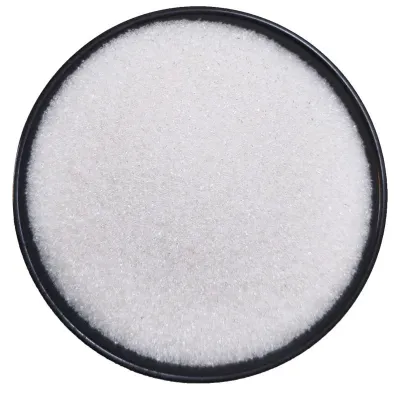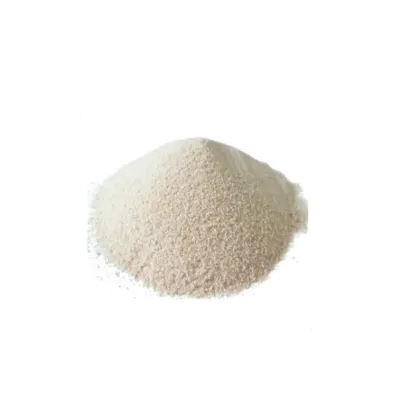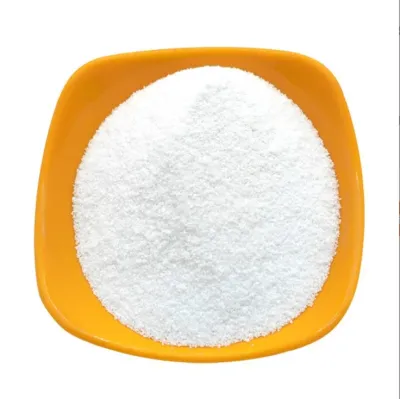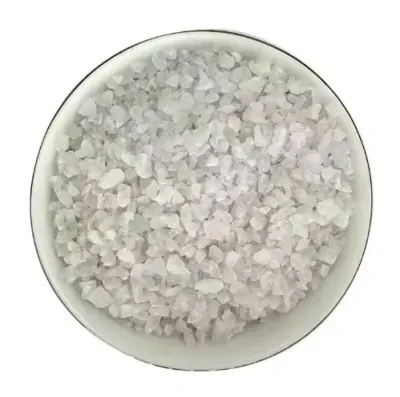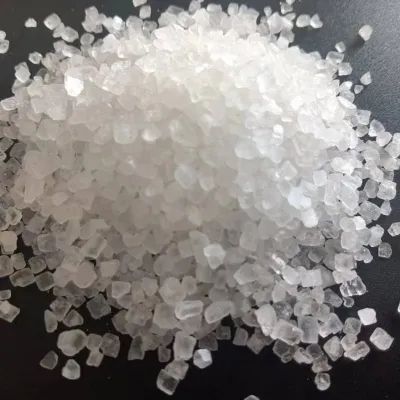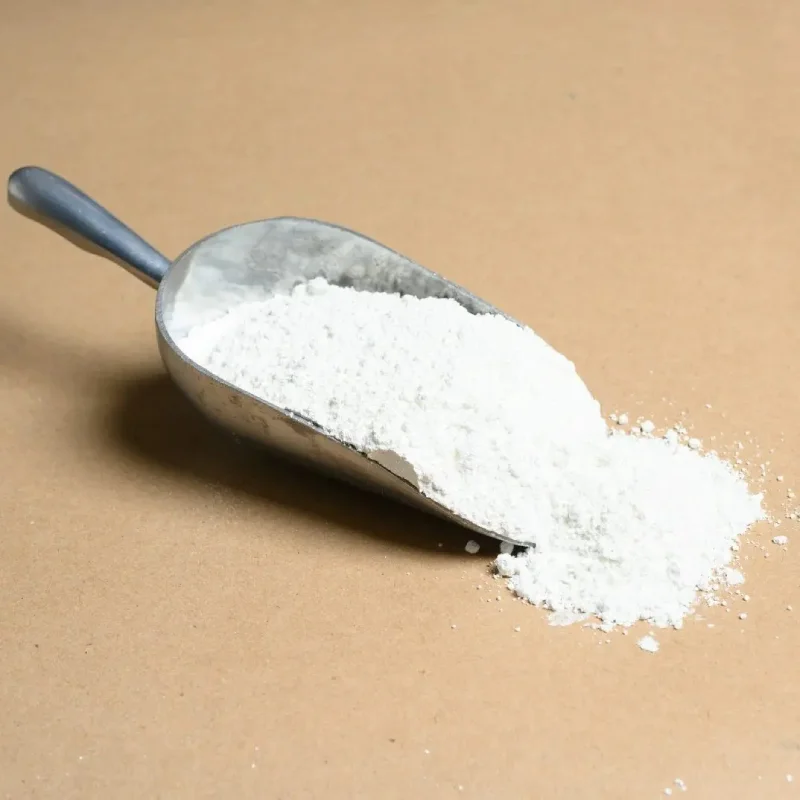
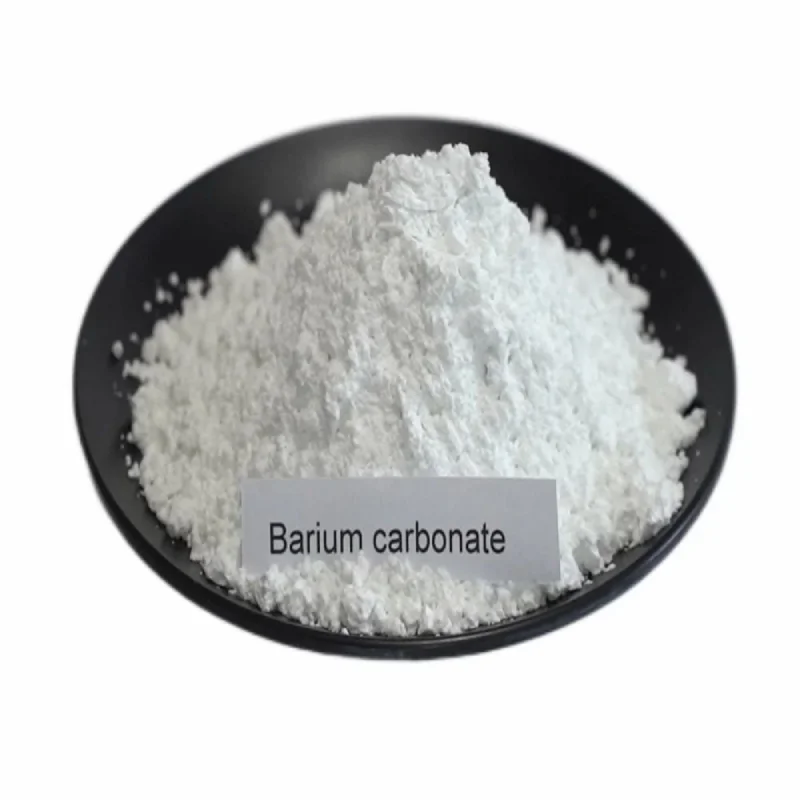
Barium Carbonate BaCO3 White Powder for Electronic Ceramic Component Trials, 99% Purity and 325 Mesh
-
Particle-size designationMesh designationColorWhite
-
Physical formPowder
-
CAS No.513-77-9Purity99.0%
-
AppearanceWhite PowderApplicationCeramics, Glass, Ferrite, Electronic Industry, Ceramics, Glass, Ferrite, Electronic Industry, Enamel
-
ClassificationCarbonateEINECS No.208-167-3
-
Grade StandardIndustrial GradeMolecular FormulaBaCO3
-
Other NamesCarbonic Acid Barium SaltTypeBarium Carbonate
-
Product NameBarium CarbonateDensity4.43 g/cm³
-
Melting Point811°C (Decomposes)SolubilityInsoluble in Water
-
Particle Size325 MeshStorageCool, Dry and Well-Ventilated Place
-
Shelf Life24 MonthsPackaging25kg PP Woven Bag / 1000kg Jumbo Bag
-
SampleAvailable
An electronic ceramic component enquiry needs a defined material specification as well as a chemical name. This industrial barium carbonate is identified as white BaCO3 powder with 99.0% purity and a 325 mesh designation, providing starting criteria for an actual grade comparison.
Define the carbonate role in the electronic ceramic
Clarify the proposed ingredient role, impurity requirements and relevant process criteria for the component project. The electronic ceramic direction does not establish dielectric, electrical or finished-component performance, so obtain the actual grade analysis and representative qualification results before approval.
- Chemical criterion
- Confirm the assay method and impurity limits for the offered 99.0% material.
- Powder criterion
- Agree the 325 mesh basis and request the actual distribution required by the process.
- Component criterion
- Specify the process and finished-material acceptance tests relevant to the proposed role.
Interpret the physical descriptions at their stated scope
The density is 4.43 g/cm3 and the material is described as insoluble in water, with applicable methods to confirm. A mesh designation does not determine median particle size, and the mixed melting/decomposition description requires a clear thermal-event definition rather than an assumed operating temperature.
Match current documents to the offered BaCO3 grade
Request product-specific technical and safety information and reconcile chemical identifiers with those documents. Confirm the cool, dry and well-ventilated storage direction and applicable shelf-life conditions for the actual material under evaluation.
Ceramics, glass, ferrite and enamel are also identified industrial directions, each needing separate process evidence. Use the confirmed composition, powder characteristics and electronic ceramic acceptance results to assess this carbonate for the intended component project.