-
Particle-size designationMesh designationPhysical formPowder
-
Al2O3 Content (%)/Fe2O3 Content (%)0.22
-
K2O Content (%)/Moisture Content (%)0.5
-
SiO2 Content (%)45TiO2 Content (%)≤1
-
Model NumberYH-Kaolin Clay PowderApplicationCeramic
-
Dimensions325-1250meshTechniqueCalcined Kaolin
-
TypePowderWeight258
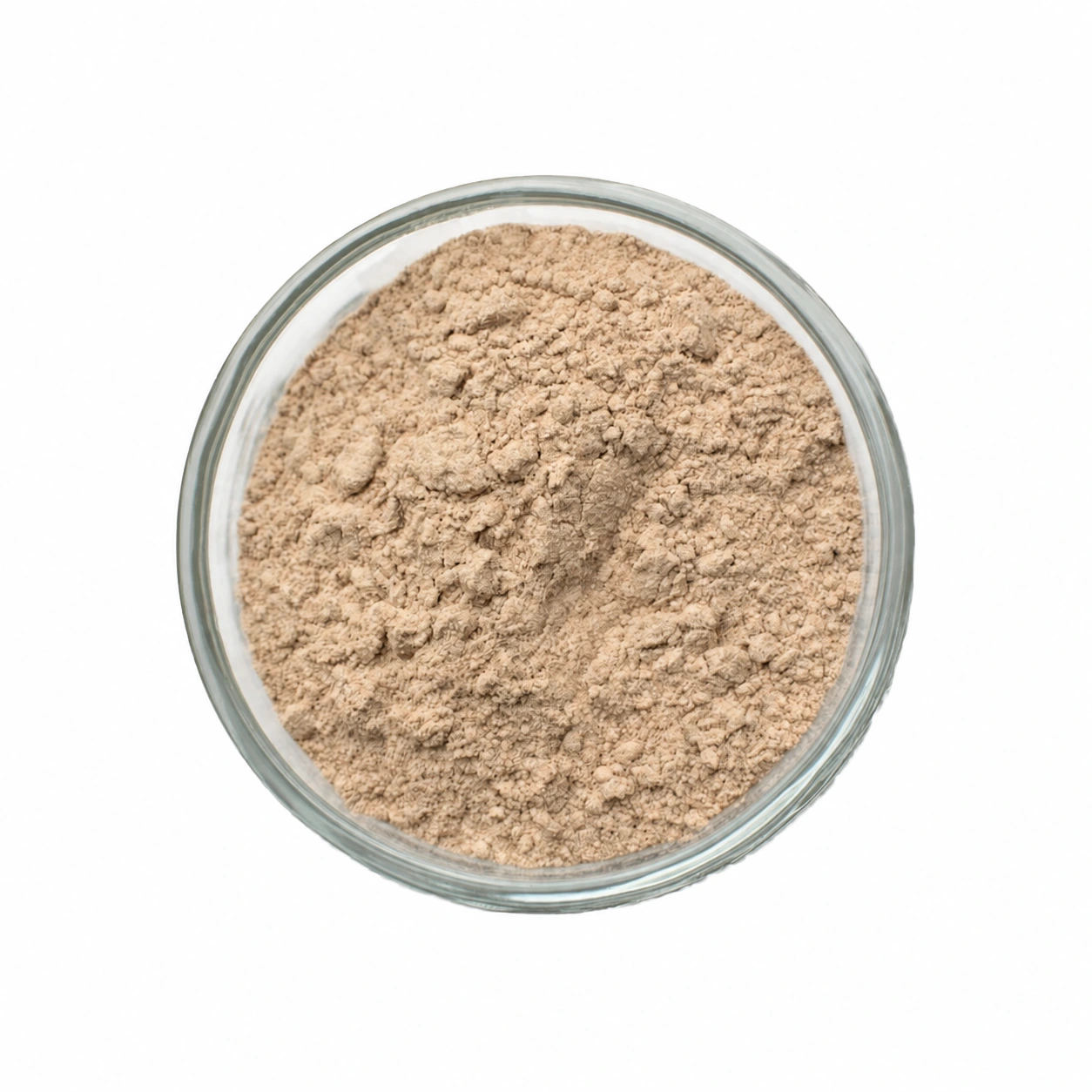
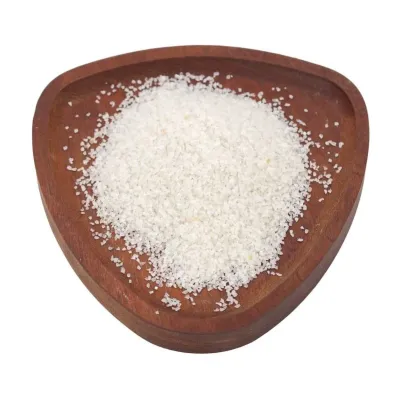
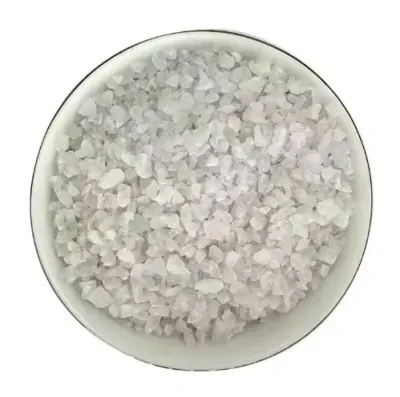
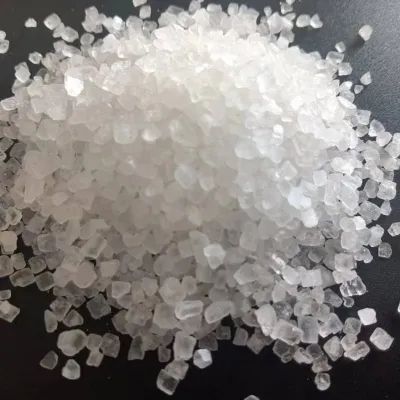
A ceramic recipe comparison needs a defined kaolin grade and a complete analytical basis. This calcined kaolin clay powder has a size designation of 325–1250 mesh, stated SiO2 content of 45% and moisture content of 0.5%. Ceramic use is explicitly named.
Select the particle grade for the ceramic process
Agree on the actual grade proposed within the broad mesh designation. Request the measured distribution, units and method for the sample being considered. A mesh range does not describe a single median particle size or establish the correct preparation for every ceramic recipe.
Complete the oxide analysis around the known values
The stated analysis also includes Fe2O3 at 0.22% and TiO2 at 1% maximum. Request the remaining constituent results required by the project rather than treating unspecified entries as zero. Compare the complete report with the recipe's acceptance criteria before drawing a compositional conclusion.
Define the whiteness selection on its own scale
The actual selectable whiteness entry is 90 without a defined scale. Ask for the method and reference before comparing that number with another material. Powder appearance must remain separate from the colour and behaviour of a fired ceramic.
Test the forming and firing conditions that matter
Evaluate the selected sample through the intended ceramic process and record the resulting acceptance measurements. Retain the moisture method, oxide report and selected particle specification with the trial. That keeps the material decision tied to the actual calcined clay and the project's own recipe requirements.