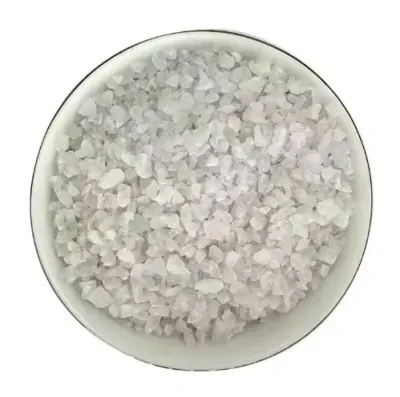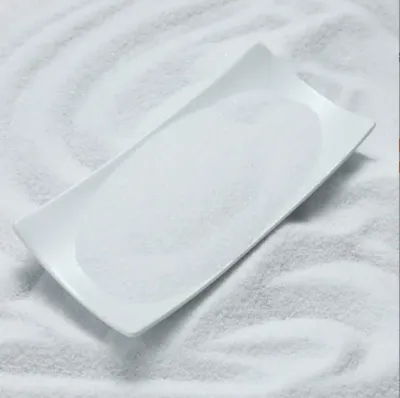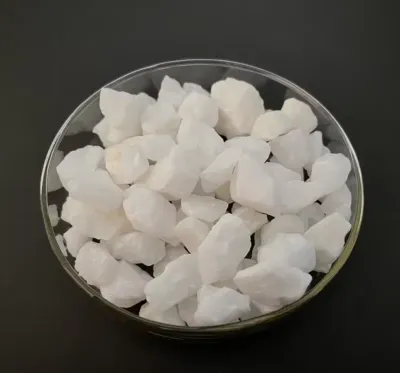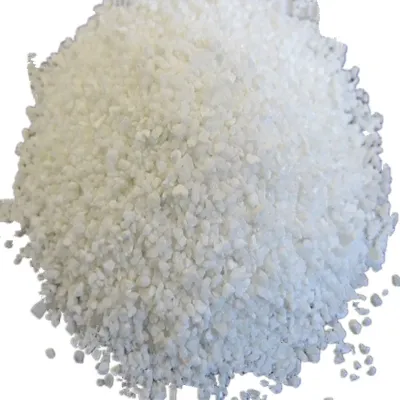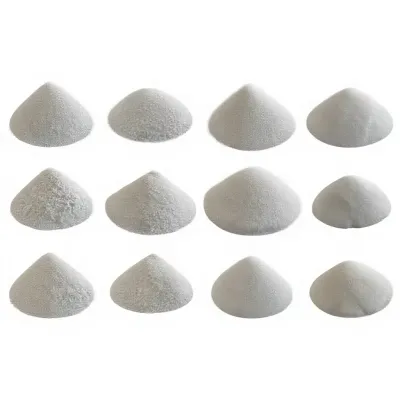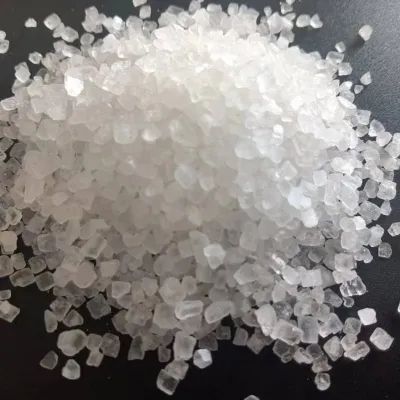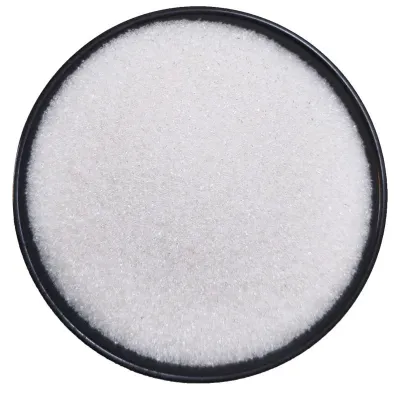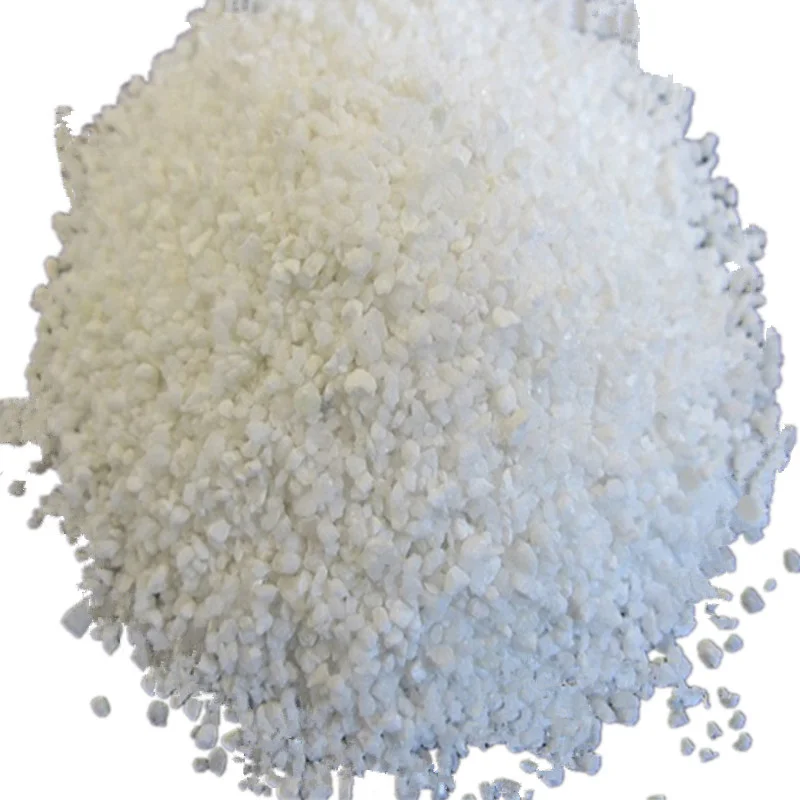
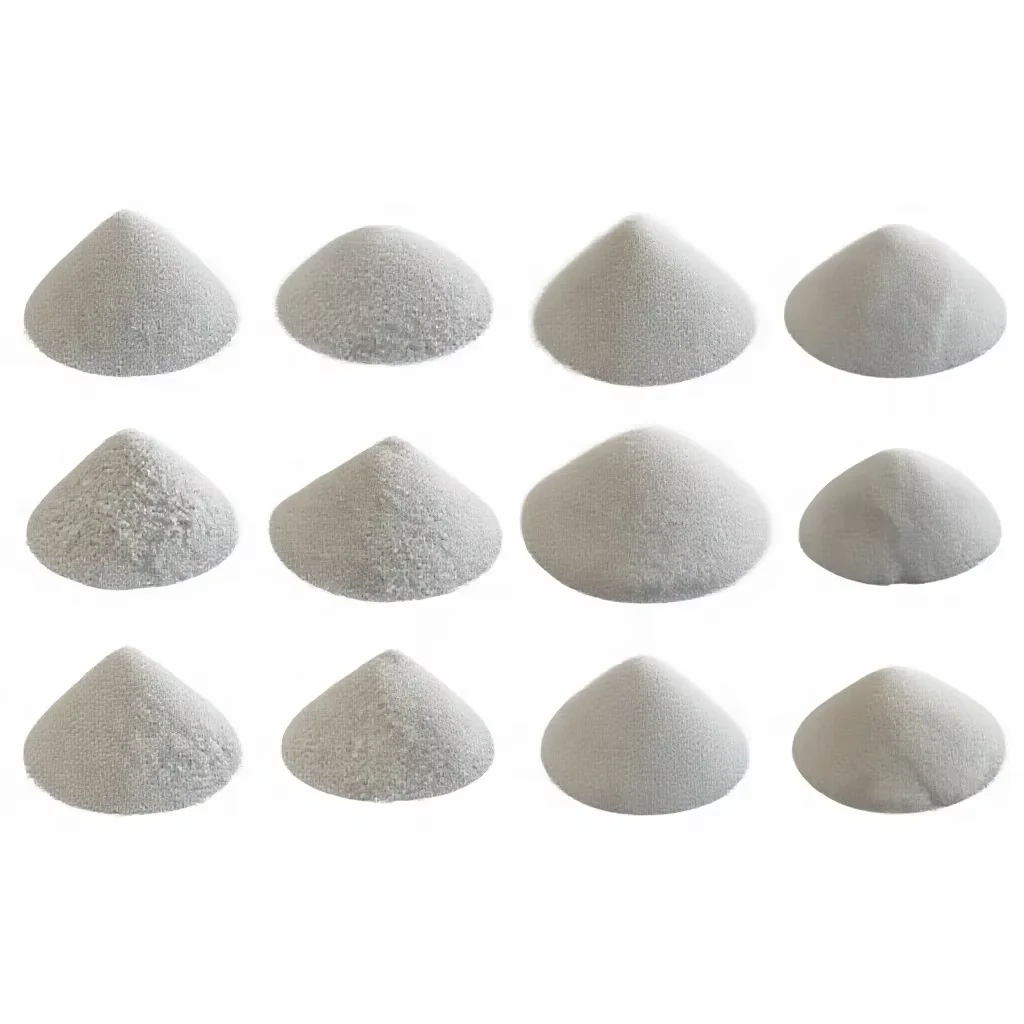
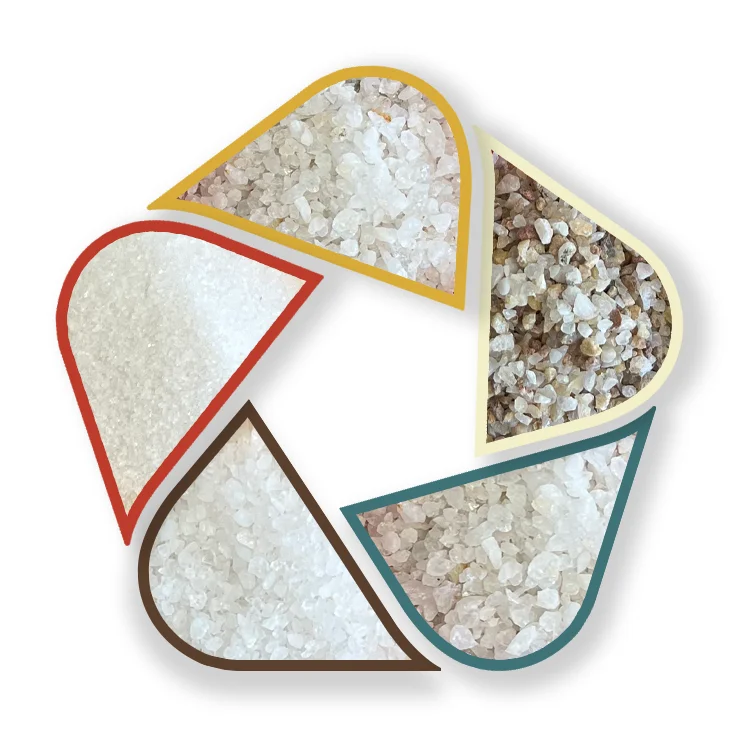

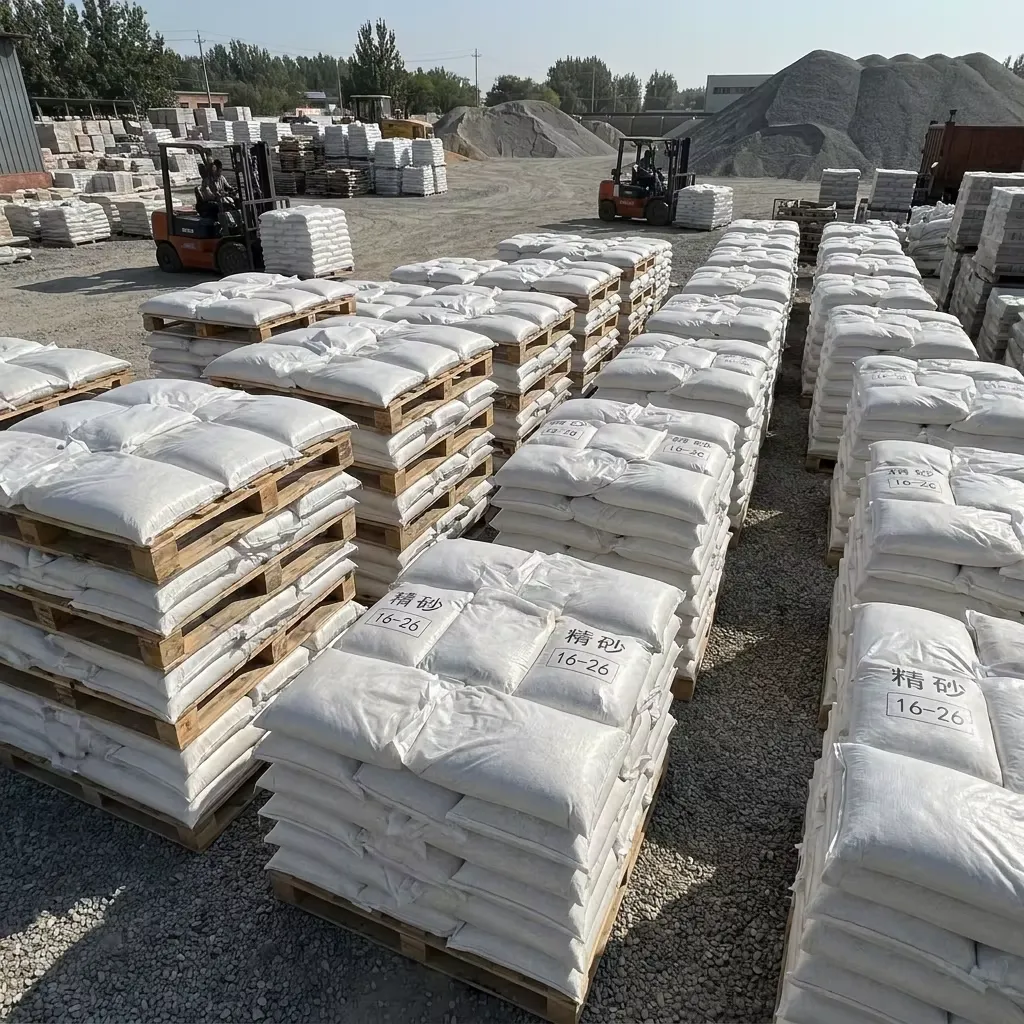
Quartz Sand SiO2, Purity ≥99.5%, 16-120 Mesh Designation, for Industrial Glass, Metallurgy and Construction
-
Particle-size designationMesh designationColorWhite
-
Physical formGranular , Crystalline
-
CAS No.7631-86-9Purity≥99.5%
-
AppearanceWhite crystalline granulesApplicationGlass Metallurgy Construction Industrial Grade
-
ClassificationSilicon DioxideEINECS No.231-545-4
-
Grade StandardIndustrial GradeMolecular FormulaSiO2
-
Other NamesWhite Sand
An industrial glass, metallurgy or construction enquiry needs both chemical and grain acceptance criteria. This quartz sand is described as white crystalline SiO2 granules with stated purity ≥99.5% and a 16-120 mesh designation for a defined material assessment.
Separate chemistry from the grain requirement
Identify the impurity limits relevant to the intended process and request the current analysis. Keep the ≥99.5% minimum distinct from a specific sample's measured result. White appearance does not establish a numerical optical property or demonstrate a particular iron limit.
Confirm which fraction is actually proposed
Ask for the supplied size specification and its sieve standard and distribution report. The 16-120 mesh designation is a broad reference rather than a set of separately selectable fractions here. Confirm the actual offer instead of assuming every intermediate mesh is available.
Keep the two records matched
The chemical report should identify the same grade and sample as the grain report. This makes the material description usable when assessing the project's acceptance criteria or comparing a later proposed supply.
Qualify the sand for the specific industrial role
Review technical and safety documentation and assess a representative sample under agreed conditions. A glass, metallurgical or construction application name does not establish a universal process benefit. Retain the actual fraction, analysis and evaluation results together so a repeat enquiry refers to the quartz material examined and clearly identifies any changed process, impurity or grain requirement.