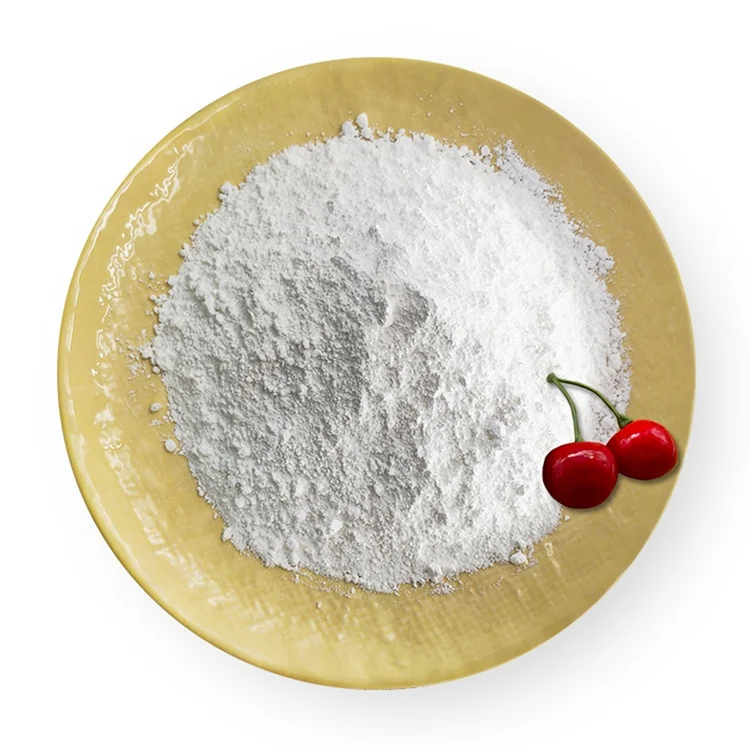
Ceramic-Development Barium Sulphate XM-PB02, Industrial Precipitated Powder with 98–99% Purity for Evaluation
-
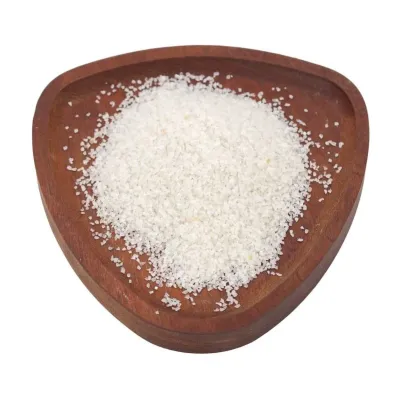
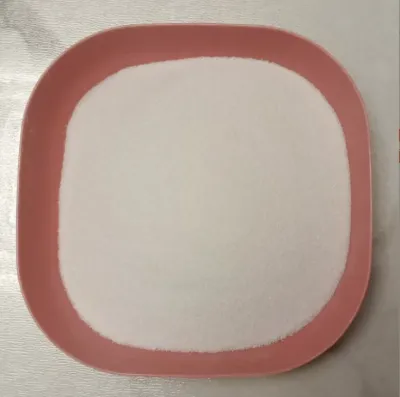
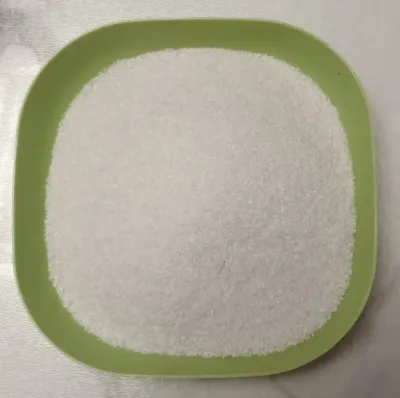
ColorWhitePhysical formPowder
-
CAS No.7727-43-7Purity98%-99%
-
AppearanceWhite PowderApplicationPlastic,Rubber,Coating,Sealants
-
ClassificationSulphateGrade StandardIndustrial Grade
-
Molecular FormulaBaSO4Other NamesPrecipitated Barium Sulphate
-
TypeBarium SulfateModel NumberXM-PB02
-
D50(μm)0.5-0.7D97(μm)1.8-2.5
-
Whiteness98-99%pH7-8
-
Oil Absorption(G/100g)13-15Package25kg/Bag
-
CertificationISO9001Hs code28332700
-
Package AppearancecustomizedSampleFreely
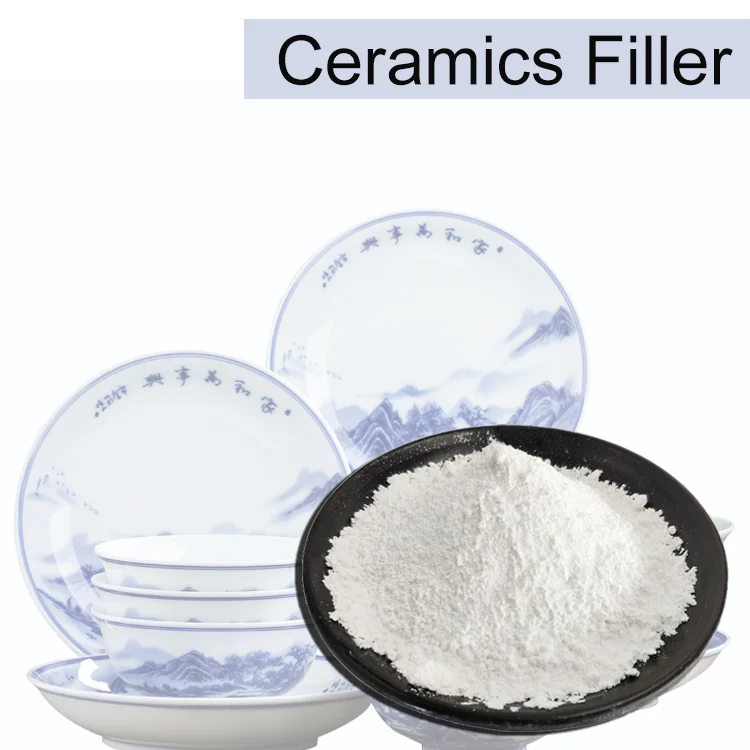
A ceramic-development enquiry for XM-PB02 should begin with a defined material requirement and a clear test plan. This industrial precipitated barium sulphate white powder has 98–99% purity, with a 0.5–0.7 micron D50 and a 1.8–2.5 micron D97 to support a technical powder comparison.
Establish the intended ceramic role
Before selecting XM-PB02 for a ceramic project, request the composition and application evidence relevant to that role. The precipitated-sulfate identity alone does not establish behaviour in a ceramic formulation or the properties of a finished fired article.
Use assay, whiteness and fineness independently
The XM-PB02 whiteness range is 98–99%, matching the numerical assay range but describing a different criterion. Compare both with their own test methods, and use the D50 and D97 ranges as separate distribution measures rather than assuming a uniform particle size.
- Define the ceramic requirement proposed for XM-PB02.
- Request current composition, impurity and particle-distribution documents for the offered grade.
- Agree the actual ceramic-formulation acceptance tests before approving a representative sample.
Keep established use directions in their own scope
XM-PB02 is explicitly identified for plastics, rubber, coatings and sealants, with a pH range of 7–8 as another raw-material comparison criterion. Those matrix directions do not substitute for ceramic qualification, and any required certification should be supported by the relevant current document rather than assumed from a label.
Sampling and package-appearance customisation are identified for this XM-PB02 powder; confirm their scope in an enquiry centred on the ceramic test criteria, so that material selection follows relevant evidence instead of a broad versatility claim.