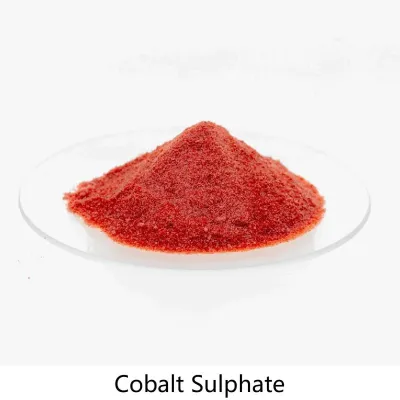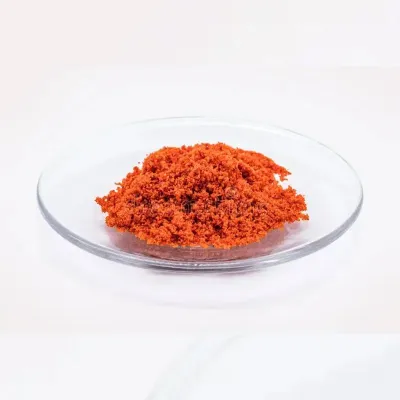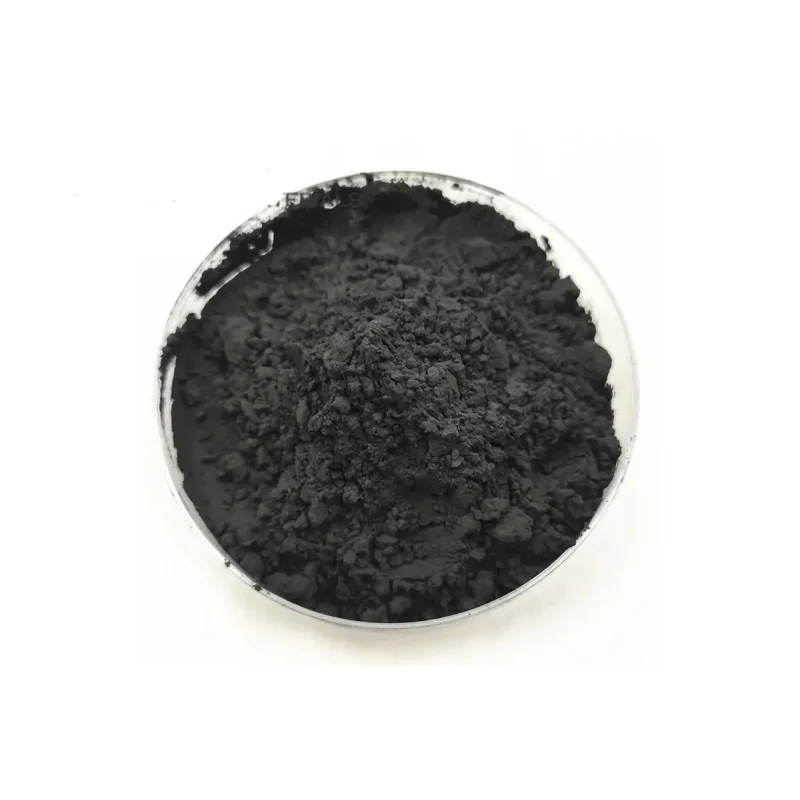
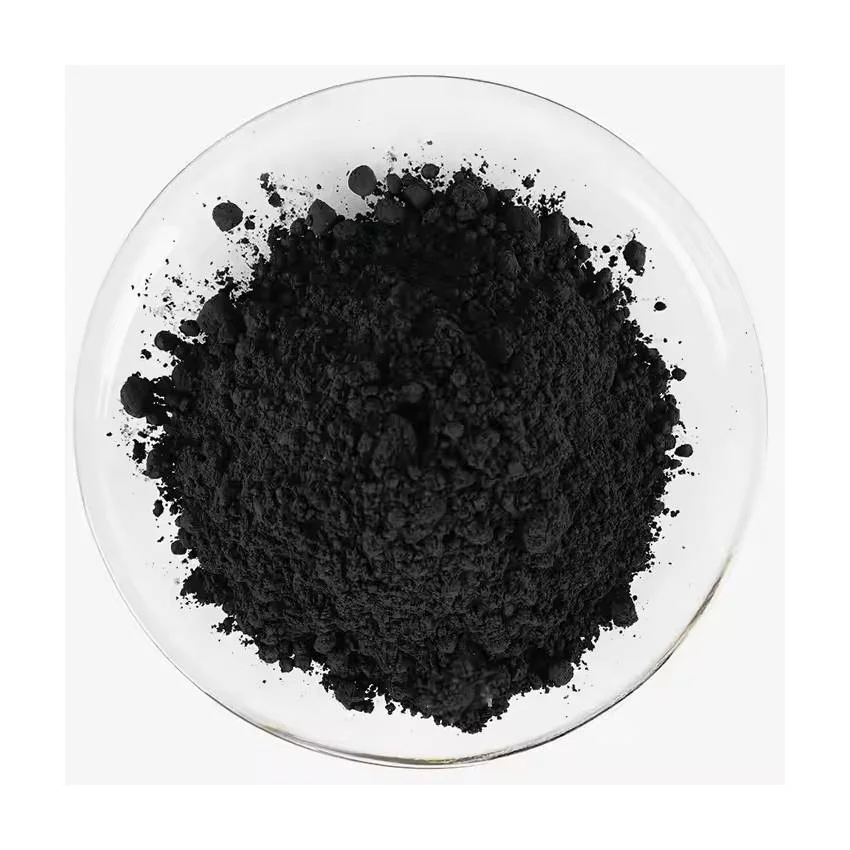
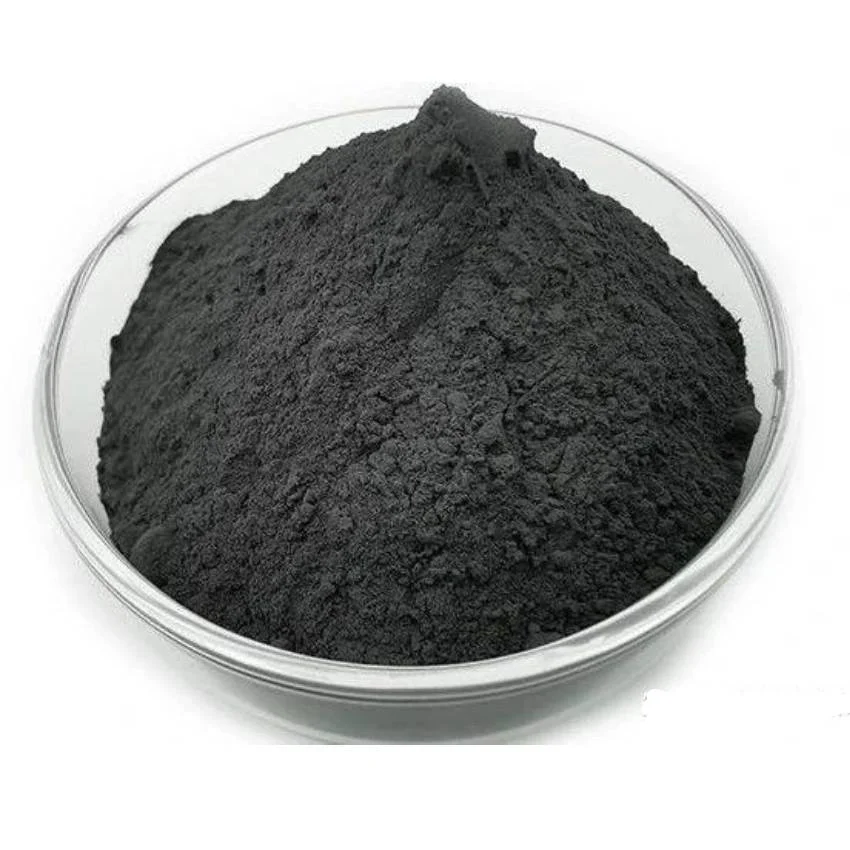
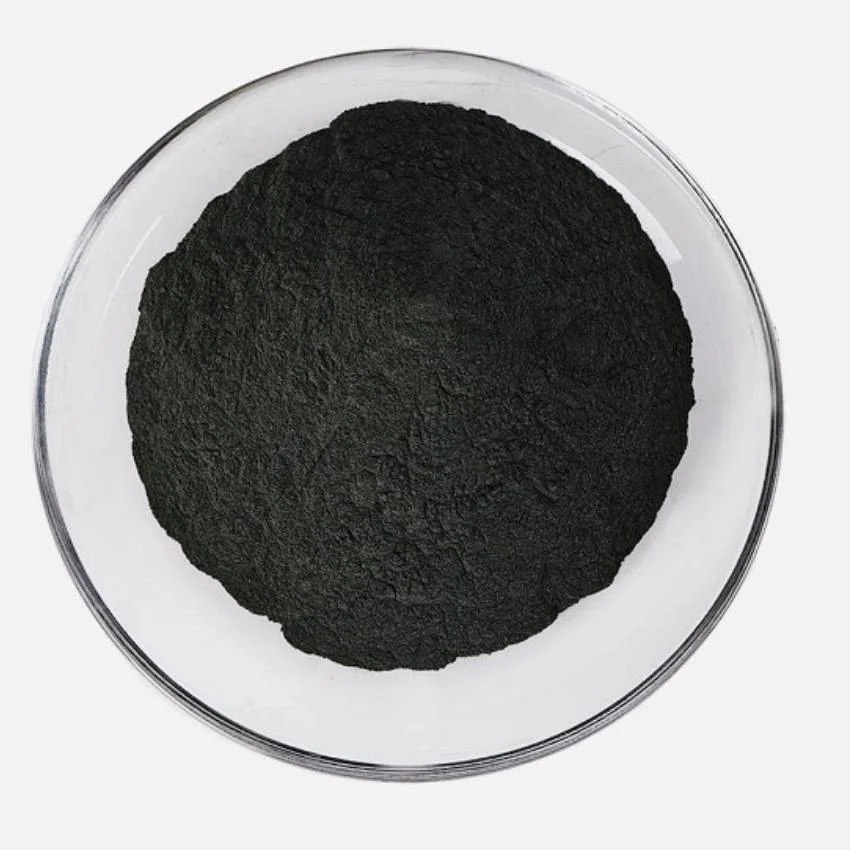
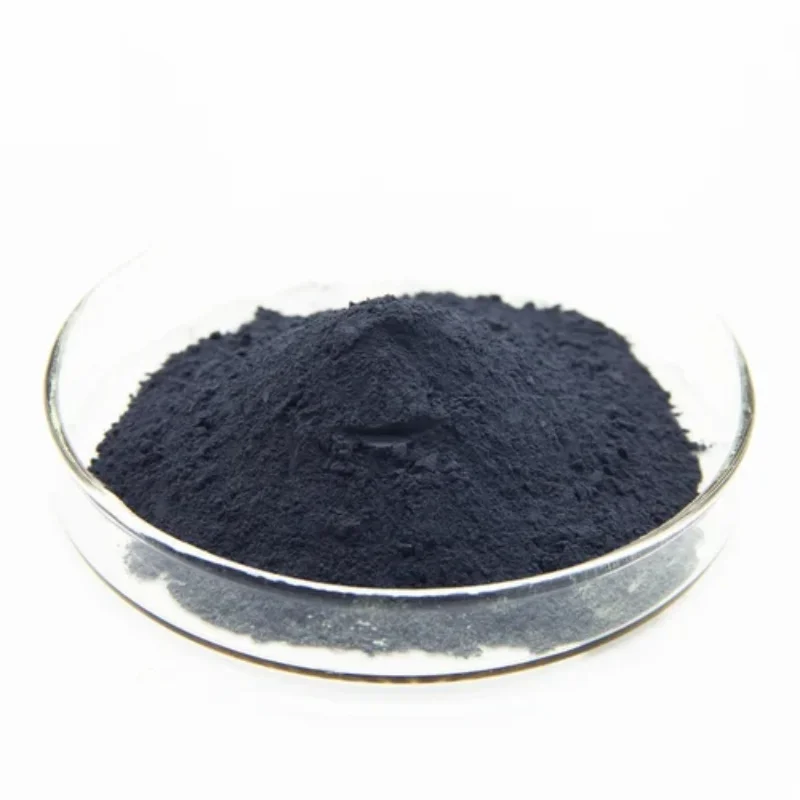
Cobalt Oxide Black Powder for Battery-Grade Material Assessment and Impurity Enquiries, TY-Cobalt Oxide
-
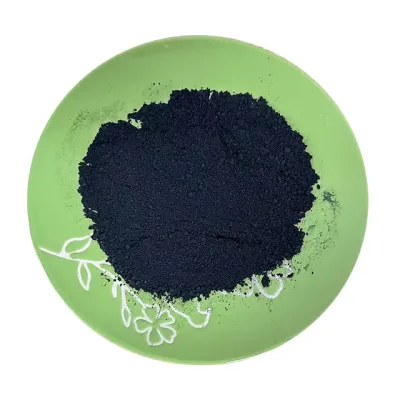
ColorBlackPhysical formPowder
-
CAS No.1307-96-6Purity99%
-
AppearanceBlack PowderApplicationLithium Battery Materials, Ceramic Pigments, Glass
-
ClassificationCobalt OxideEINECS No.215-154-6
-
Grade StandardIndustrial GradeMolecular FormulaCoO
-
Other NamesCobalt Monoxide / Cobalt TetroxideOxide TypeMetal Oxides
-
Molecular Weight74.93SolubilityInsoluble in Water
-
Density6.44 g/cm³MOQ1 MT
-
Packaging25kg Bag, 500kg Bag, 1000kg Jumbo BagSupply Ability500 MT per Month
-
SampleAvailableCertificateISO, COA, MSDS
A battery-material grade decision needs named impurity limits and evidence for the actual oxide being offered. TY-Cobalt Oxide is identified as an industrial cobalt-oxide family material in black-powder form; further phase and grade information is needed for selection.
Replace a broad impurity label with measured criteria
List the individual impurities relevant to the actual battery project and the accepted limits for each. Request current measurements with methods and reporting limits, because a general low-impurity description does not show which constituents were tested or whether the required limits were met.
Link the assay basis to the actual oxide phase
Obtain actual-phase identification for TY-Cobalt Oxide before comparing a phase-specific assay. Family identity and black appearance do not choose a particular oxide phase, and an assay figure without the corresponding identity basis cannot establish the battery-material grade.
- What should the analytical record identify?
- The actual model and phase, sample reference, assay basis and required impurity measurements.
- What should the battery trial establish?
- Whether the offered material meets the project’s relevant process and qualification criteria.
Confirm qualification beyond the chemical report
Lithium battery materials are a stated enquiry direction, alongside ceramic pigments and glass. Each application requires its own qualification evidence, and none follows from appearance or a general family description alone.
Ask about an available sample with the battery acceptance criteria and requested analytical record specified. Confirm sample terms, current safety and technical documents and any relevant ISO scope. Keep the grade decision pending until phase, impurity and actual battery-material evidence are available, without assuming electrochemical performance.