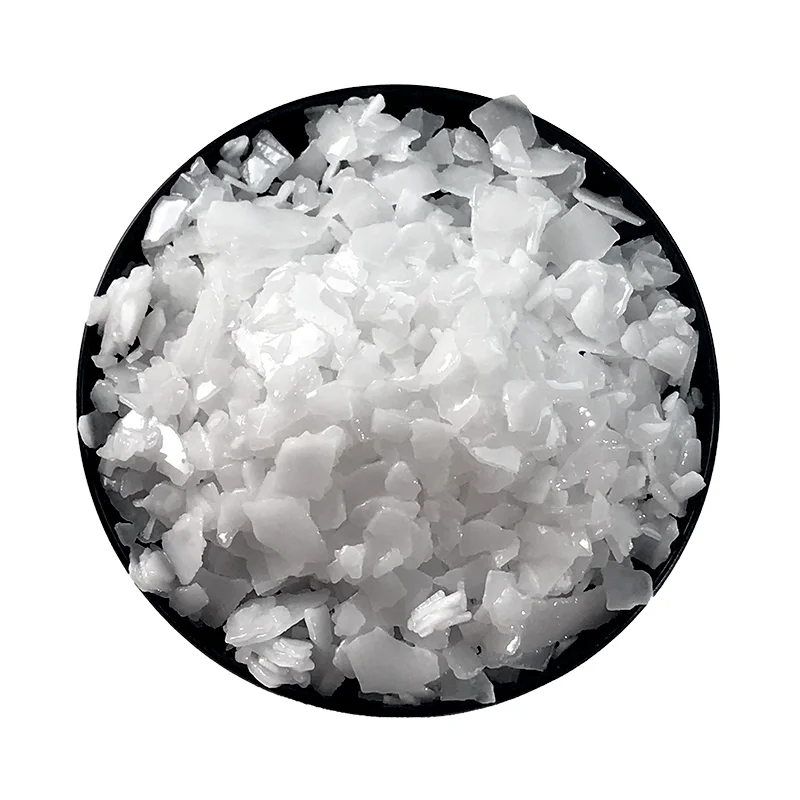
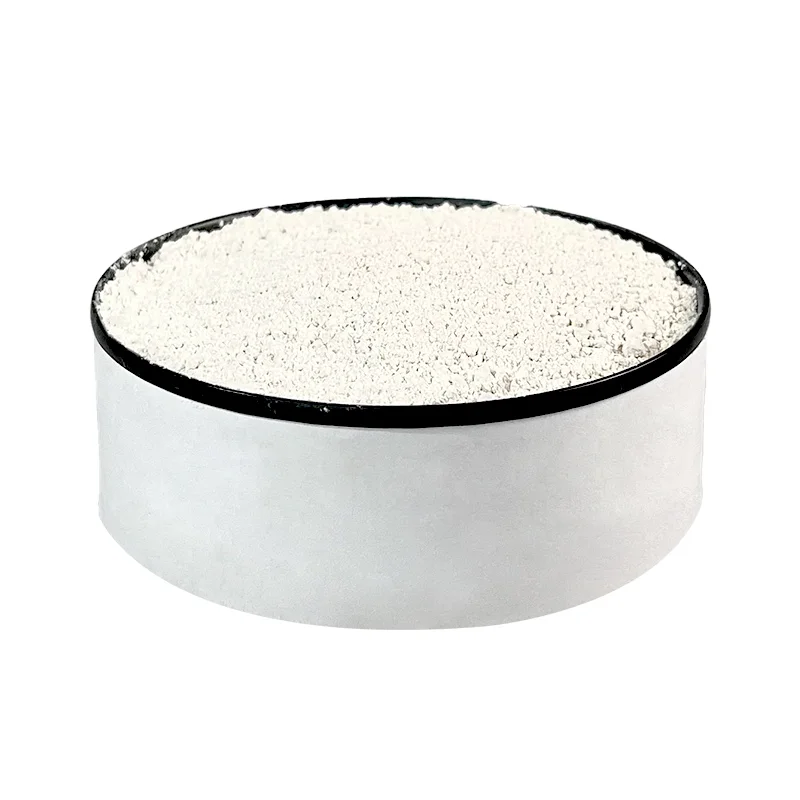
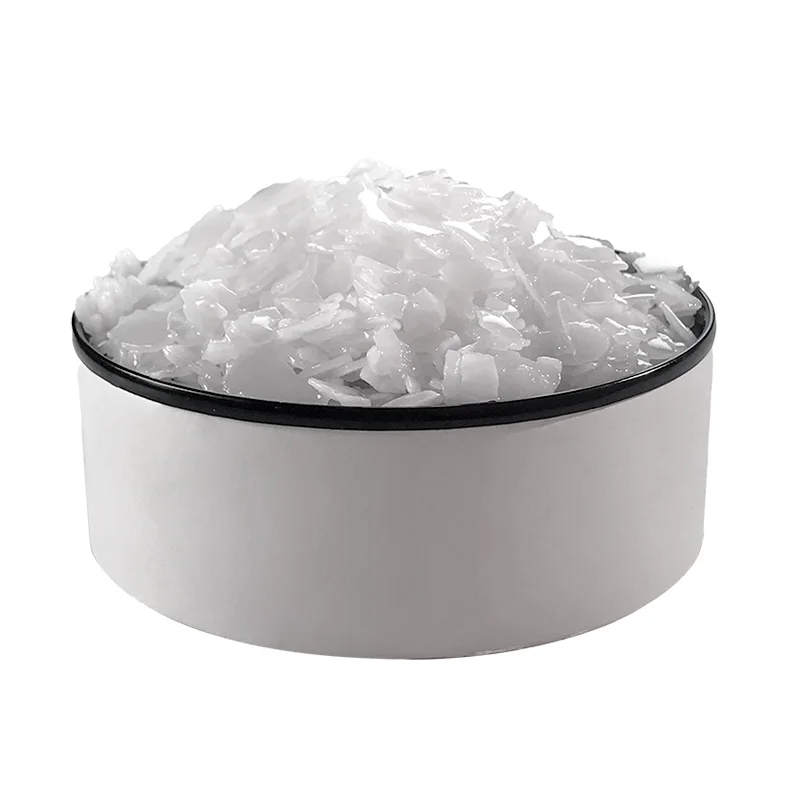
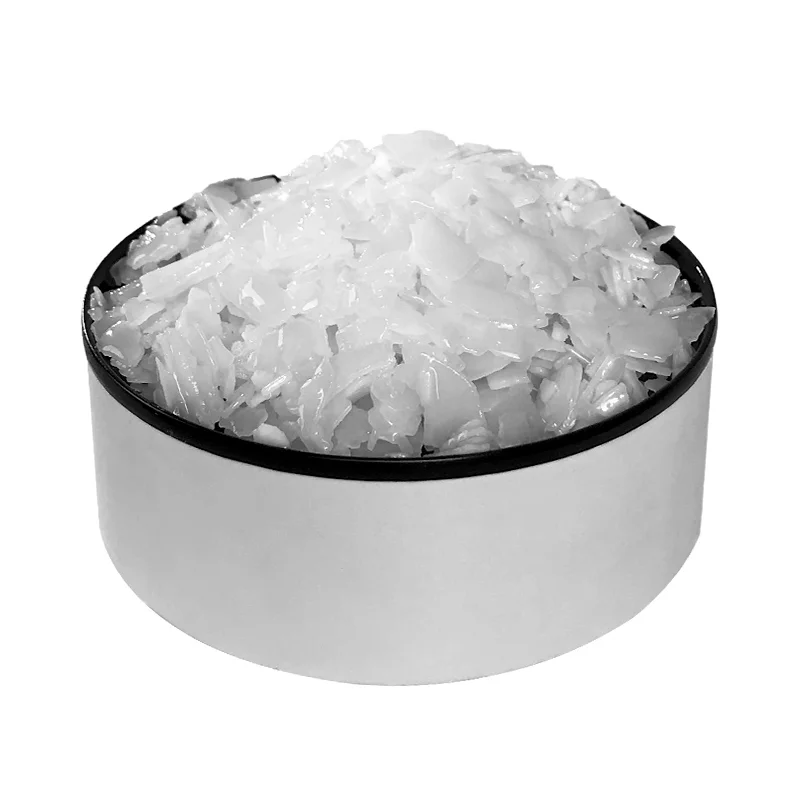
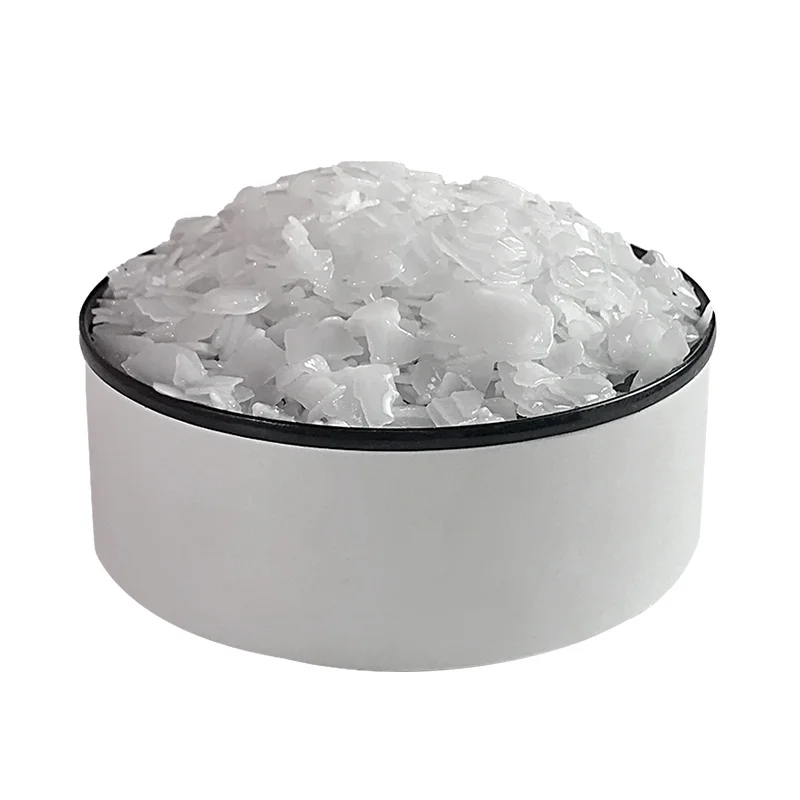
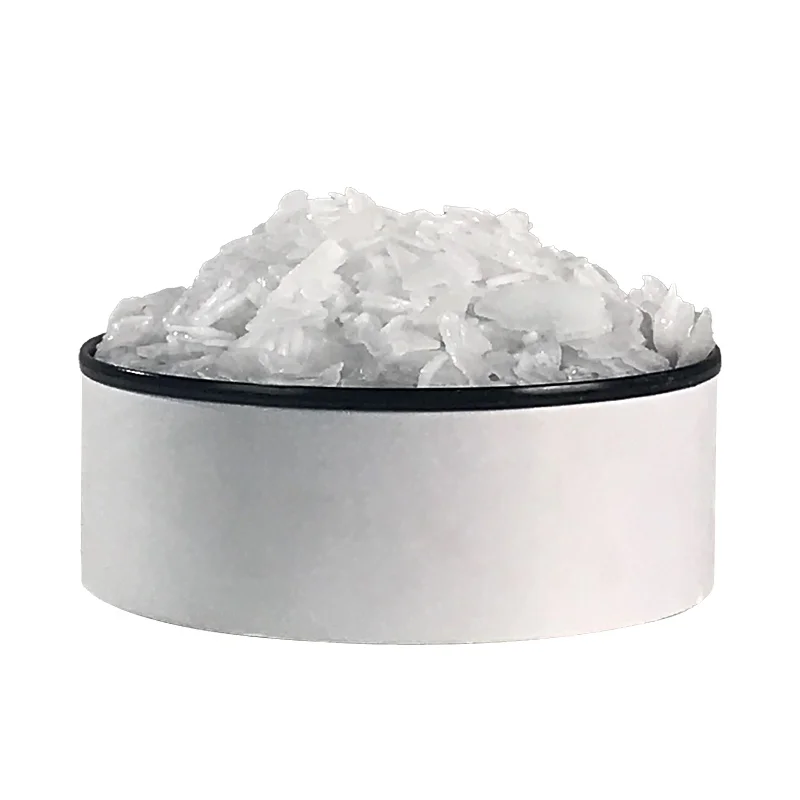
Potassium Hydroxide Caustic Potash KOH 90% Min White Flakes, CAS 1310-58-3, for Industrial Material Trials
-
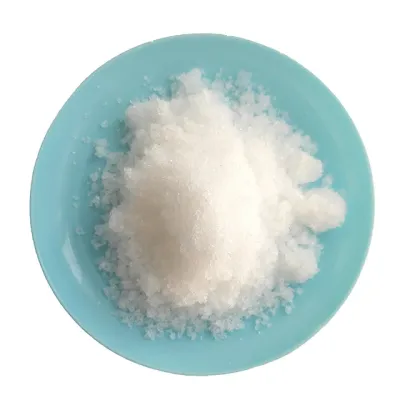
ColorWhitePhysical formFlakes
-
CAS No.1310-58-3Purity90%Min;95%Min
-
Model NumberTY-potassium hydroxideAppearanceWhite Flakes
-
Applicationfertilzers,alkaline batteries,soaps,cosmeticsClassificationPotassium Hydroxide
-
EINECS No.215-181-3Grade StandardAgriculture Grade, Electron Grade, Food Grade, Industrial Grade, Medicine Grade, Reagent Grade
-
Molecular FormulaKOHOther NamesCaustic Potash
-
Molecular Weight:56.11Melting point:361 °C
-
Density:1.450 g/mL at 20 °CWater solubility:soluble
-
HazardClass:8Hazard Symbols:Corrosive
A potassium-hydroxide enquiry should identify the actual flake grade and the material limits it must satisfy. TY-potassium hydroxide is described as KOH, also called caustic potash, in white-flake form with water solubility and corrosive character.
Confirm the actual 90% minimum flake grade
The stated title grade is 90% minimum purity. Request current assay, moisture and individual impurities for the offered material, and clarify any alternative grade separately rather than assuming that a second purity label represents a selectable option.
Request physical evidence for the supplied form
Ask for the actual flake measurements and their reporting methods where the process requires them. The stated melting point is 361°C, which is a material descriptor rather than a processing temperature or an instruction for using the chemical.
- Grade comparison
- The actual assay basis, moisture and impurity measurements against accepted chemical limits.
- Use comparison
- Current safety and technical information and relevant trial evidence for the intended process.
Qualify the chosen application and required grade scope
Fertilizer, alkaline batteries and soaps are stated material directions, with each requiring relevant qualification. A cosmetic or other specialty-grade requirement needs its own evidence; the chemical identity and a purity figure do not establish regulated approval or universal process compatibility.
Include the body model TY-potassium hydroxide, required grade and intended material duty when requesting current documents and appropriate sample evidence. Retain the corrosive description in the assessment and use current actual-grade safety information to inform the project’s requirements before acceptance.