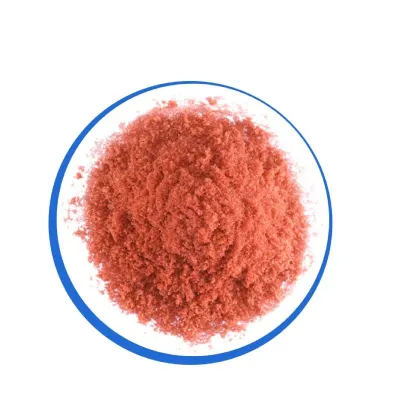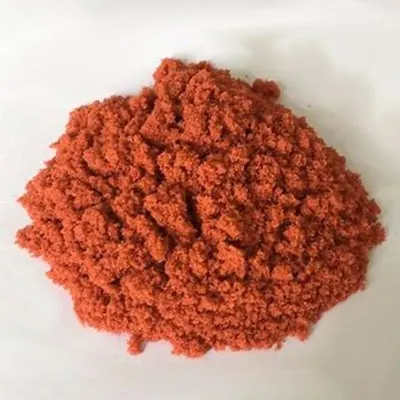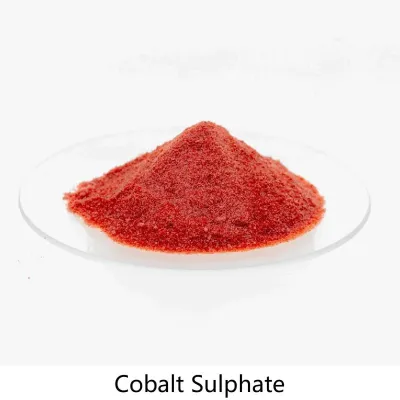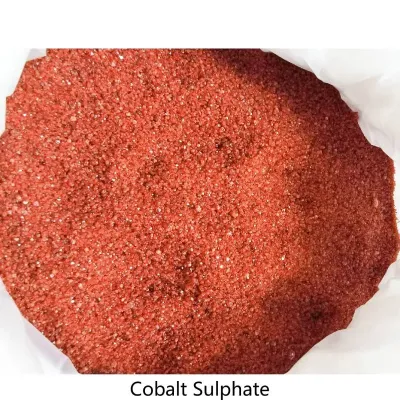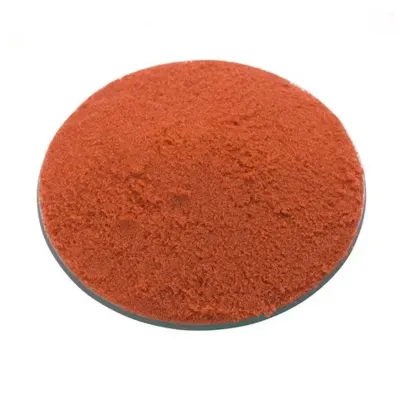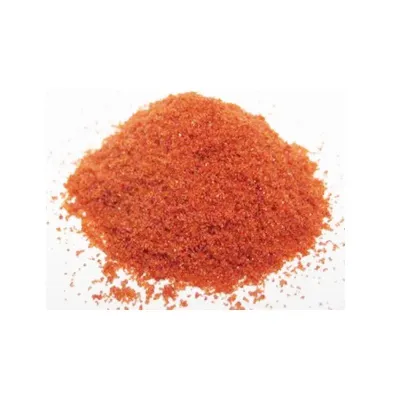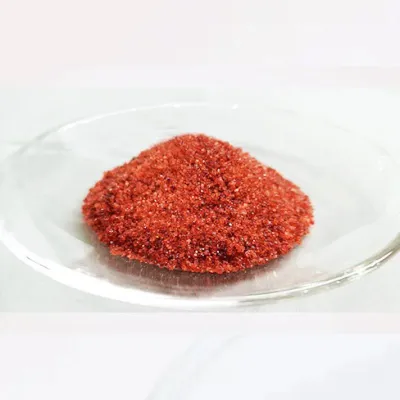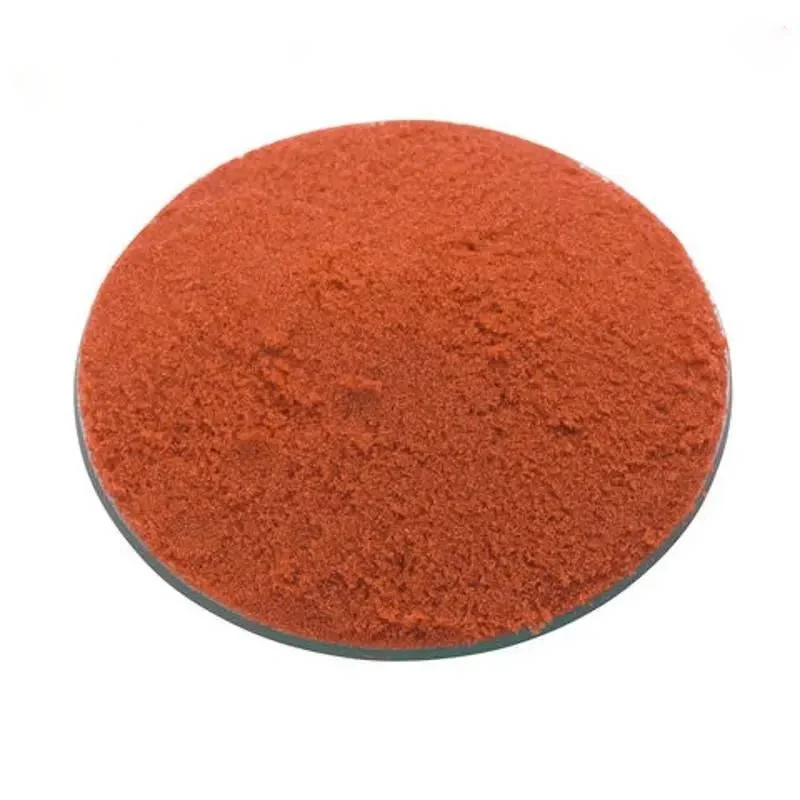
Cobalt Sulfate Heptahydrate Industrial Material, Co 21% for Lithium-Ion Battery Production Enquiries
-
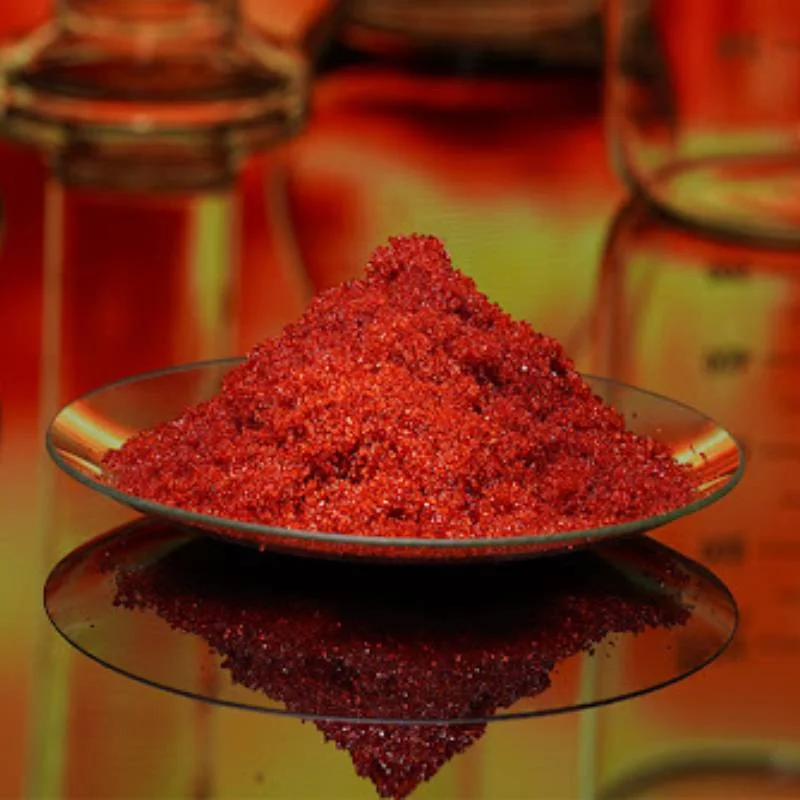
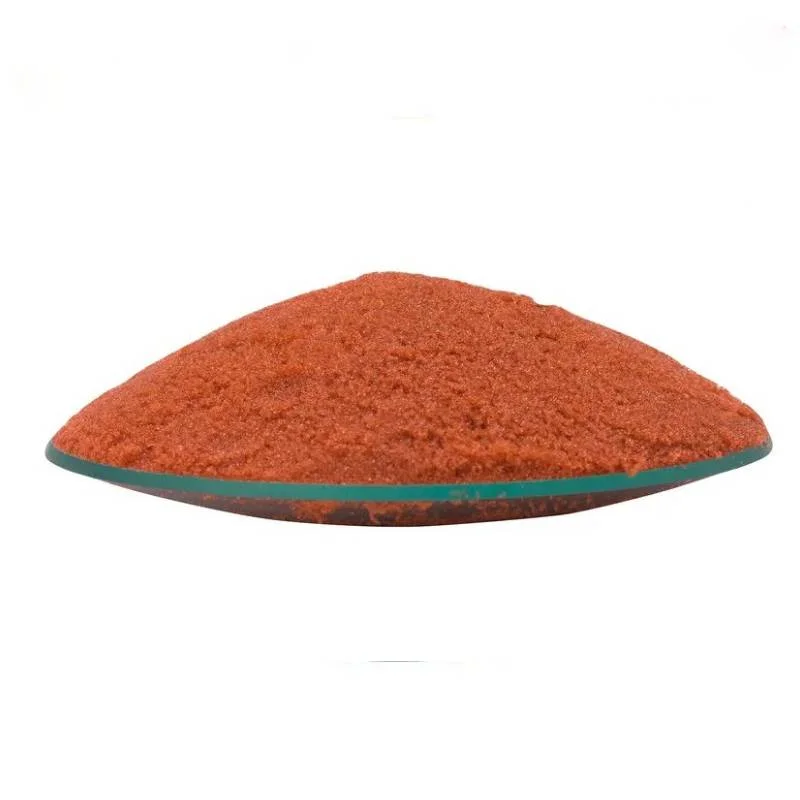
ColorRed-brown
-
CAS No.10026-24-1PurityCo 21%
-
AppearanceRed-brownApplicationcobalt salt, Lithium battery, Electroplating, Catalyst, Pigment and ceramic
-
ClassificationSulphateEINECS No.600-050-9
-
Grade StandardIndustrial GradeMolecular FormulaCoSO4*7H2O
-
Other NamesCobalt Sulfate Heptahydrate, Cobalt sulfate, Sulfuric acid cobalt saltTypeCobalt Sulfate
-
Hs code28332990SolubilityEasily soluble in water
-
pH Value3.5 -5.5 (5% solution)DensityApprox. 1.95 g/cm³
-
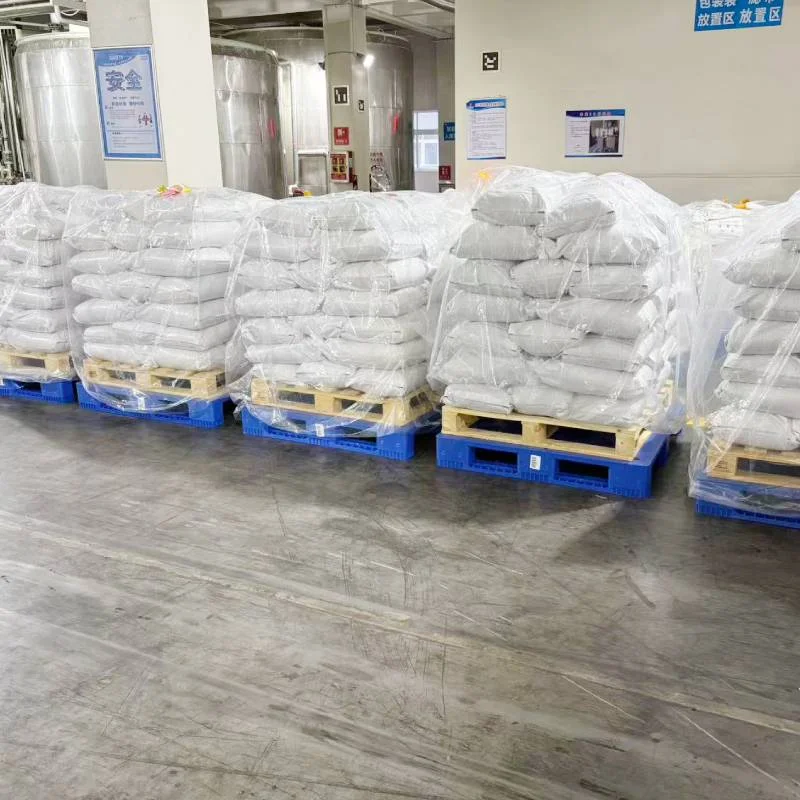
Molecular Weight281.10Packing25kg bag or 1000kg jumbo bag
-
StorageStore in a cool, dry place, away from moistureShelf Life2 Years
Grade consistency for a battery-production enquiry should be defined by actual measurements and acceptance records. This industrial cobalt sulfate heptahydrate is red-brown material with CoSO4·7H2O formula and stated cobalt content of 21%.
Define the measurements behind a consistent sulfate grade
Request current elemental cobalt analysis, the assay method and relevant impurity limits for TY-Cobalt Sulfate Heptahydrate. Co 21% identifies cobalt content rather than compound purity, while stable-quality wording needs agreed criteria and representative records before it can guide a material comparison.
- Confirm the actual hydrate and reconcile chemical identifiers.
- Agree chemical and physical acceptance limits for the offered grade.
- Review representative records against the requirements of the actual process.
Keep solution and density values on their stated basis
The reported pH is 3.5–5.5 for a 5% solution, with density approximately 1.95 g/cm3. Confirm applicable measurement methods and relevant water-solubility conditions without interpreting these material descriptions as operating settings.
Establish the actual battery-production role
Identify the intended ingredient function and representative process and electrochemical tests needed for acceptance. An industrial designation and battery direction do not establish qualification or performance; electroplating, catalyst, pigment and ceramic uses need their own process evidence.
Match current technical, analysis and safety records to the offered heptahydrate. Confirm the cool, dry, moisture-protected storage direction and applicable shelf-life conditions, then assess the actual grade and representative application results against the defined battery-production material requirement.