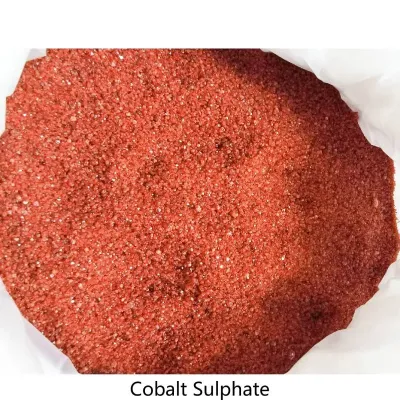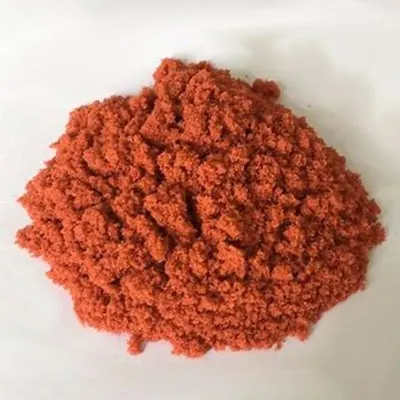
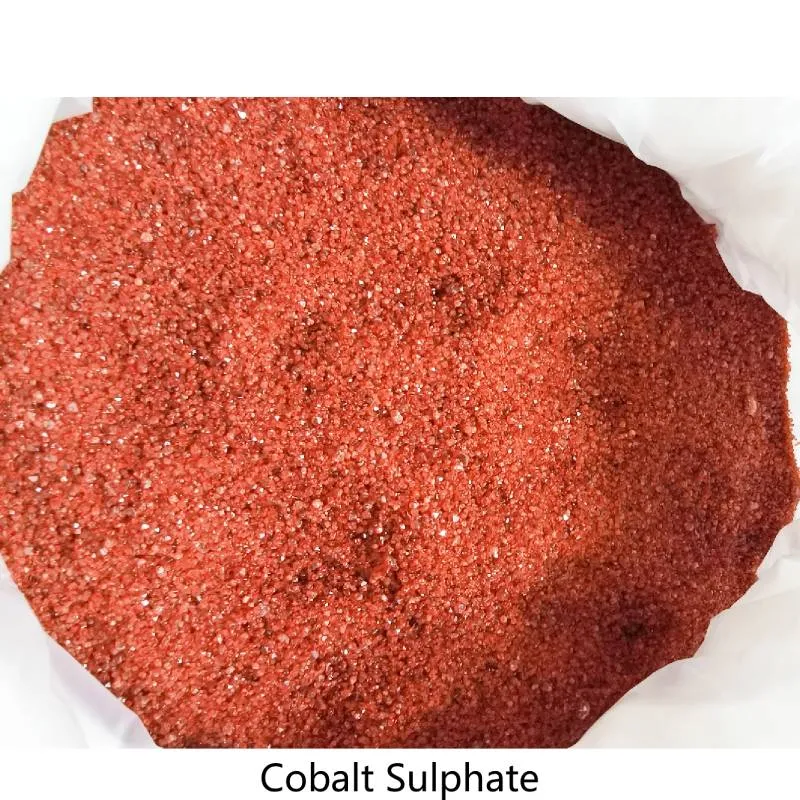
Industrial Cobalt Sulphate Heptahydrate CoSO4*7H2O, Co 21%, for Lithium-Battery Grade Evaluation
-
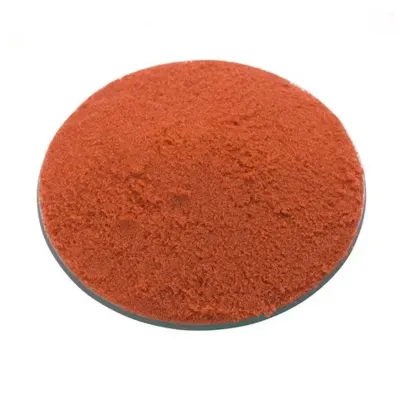
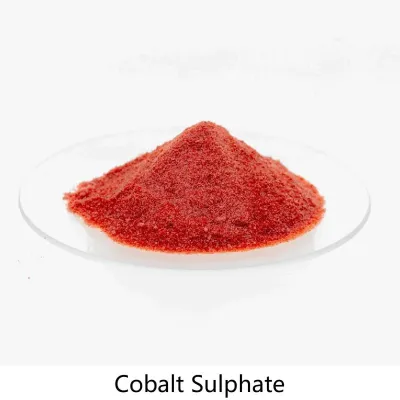
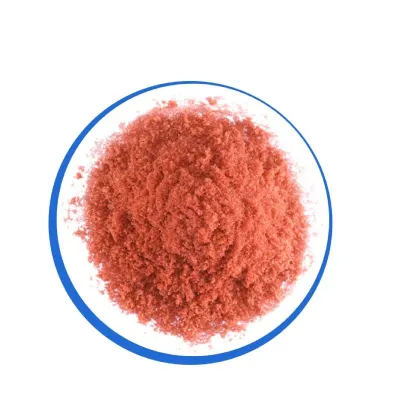
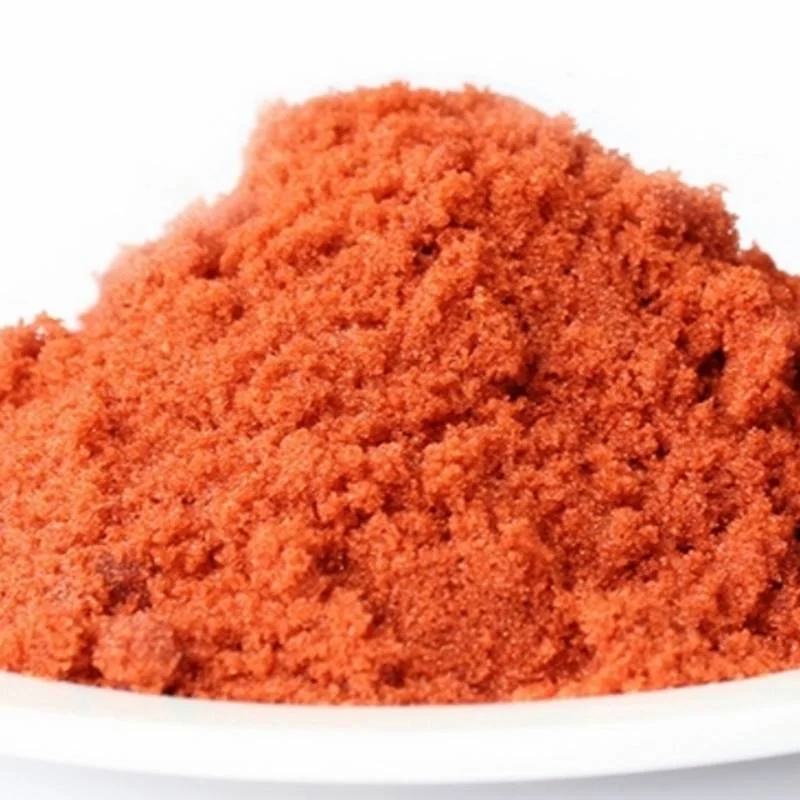
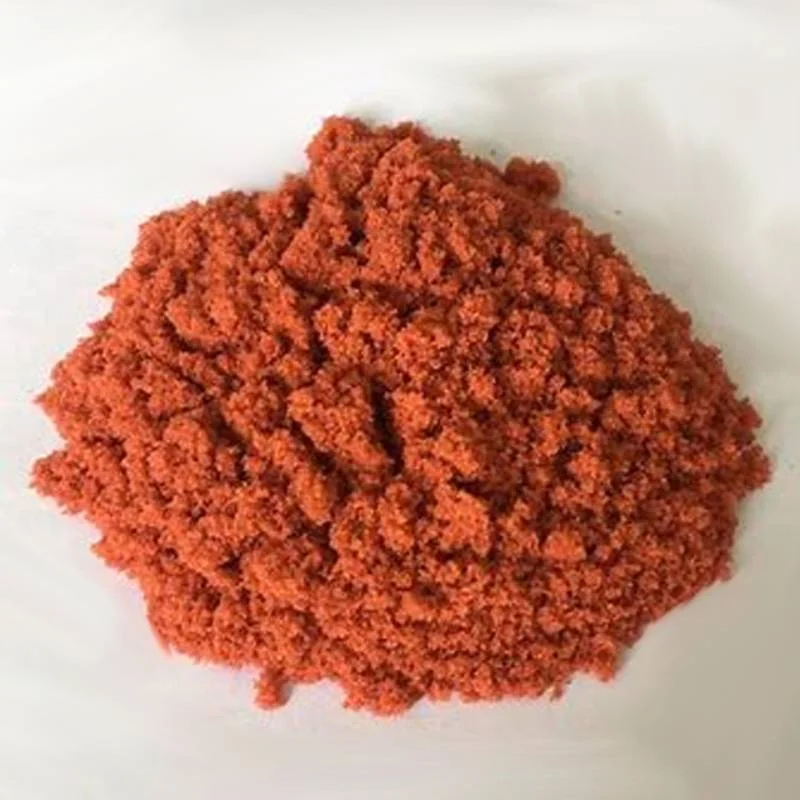
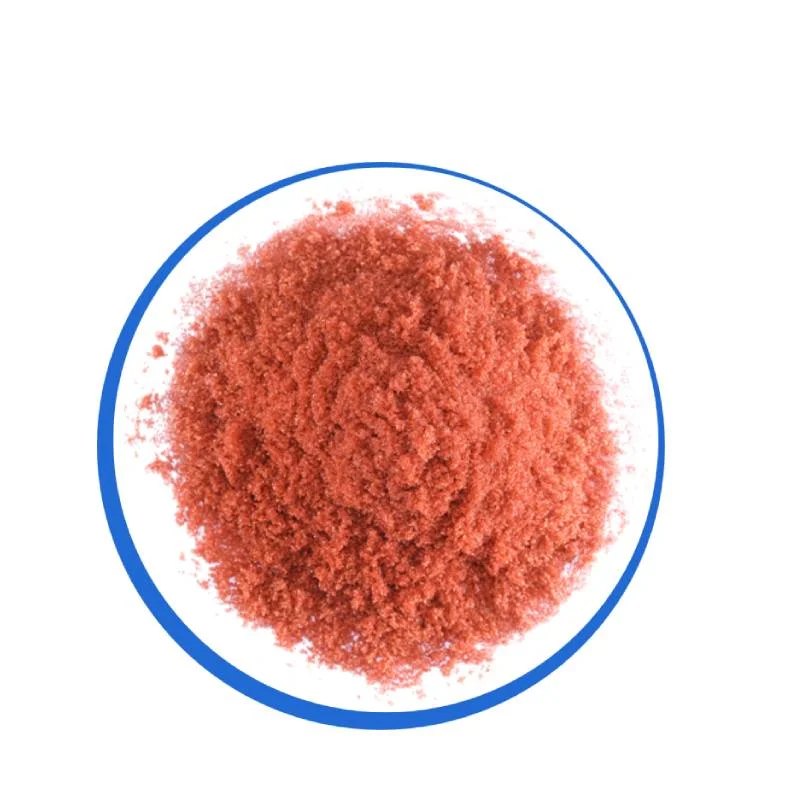
ColorRed-brown
-
CAS No.10026-24-1PurityCo 21%
-
AppearanceRed-brownApplicationcobalt salt, Lithium battery, Electroplating, Catalyst, Pigment and ceramic
-
ClassificationSulphateEINECS No.600-050-9
-
Grade StandardIndustrial GradeMolecular FormulaCoSO4*7H2O
-
Other NamesCobalt Sulfate Heptahydrate, Cobalt sulfate, Sulfuric acid cobalt saltTypeCobalt Sulfate
-
Hs code28332990SolubilityEasily soluble in water
-
pH Value3.5 -5.5 (5% solution)DensityApprox. 1.95 g/cm³
-
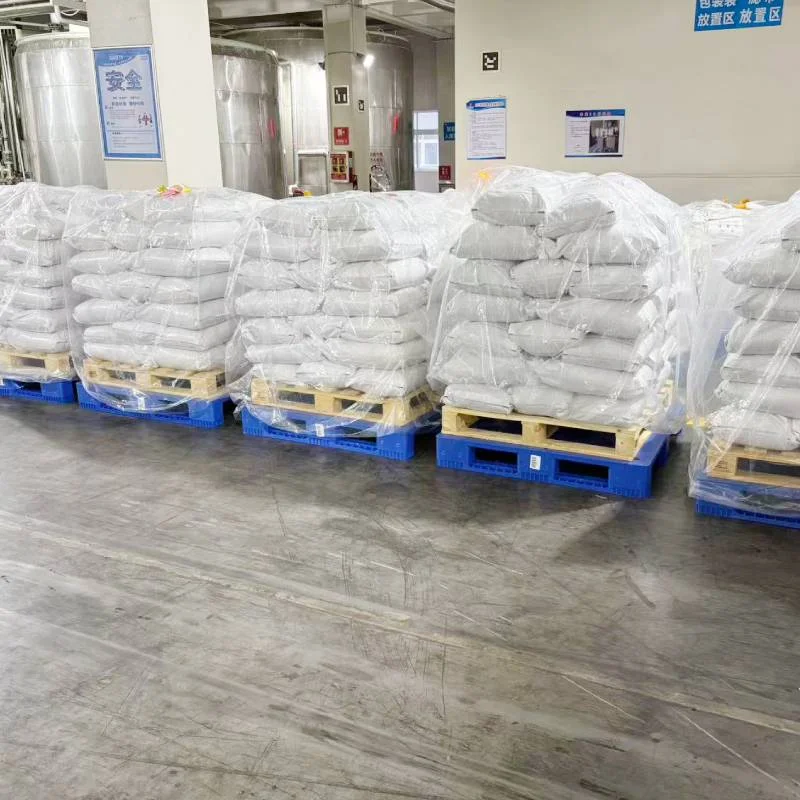
Molecular Weight281.10Packing25kg bag or 1000kg jumbo bag
-
StorageStore in a cool, dry place, away from moistureShelf Life2 Years
A lithium-battery material comparison needs the actual offered grade and analysis basis, alongside a confirmed supplied form. TY-Cobalt Sulfate Heptahydrate is industrial CoSO4*7H2O, described as easily soluble in water with elemental cobalt content Co 21%.
Confirm the actual grade rather than an assumed percentage
Request current analysis identifying the heptahydrate model and the basis for each reported assay. Elemental cobalt content is different from compound purity, so Co 21% should not be used to choose an unsupported compound-purity grade or replace individual impurity measurements.
Identify the supplied form with the sample record
Ask for confirmation of the actual material form and any physical measurements required by the battery project. Link those observations and reports to the offered sample, so the comparison concerns the material being evaluated rather than an assumed appearance or particle description.
- Conditioned solution measurement
- The stated pH is 3.5–5.5 for a 5% solution, not a battery-process operating window.
- Approximate physical descriptor
- Density is reported as approximately 1.95g/cm³, with the actual measurement method to confirm.
Make the battery qualification answer a defined requirement
Lithium battery, electroplating, catalyst and pigment/ceramic are listed application directions. Actual use acceptance requires relevant trials, while salt identity and cobalt content do not establish electrochemical performance or qualification in another process.
Keep the material cool and dry, away from moisture as directed. Request current safety and technical information and appropriate sample evidence with the actual grade questions specified. Assess those records against the project’s agreed analysis, form and trial criteria before accepting the material.