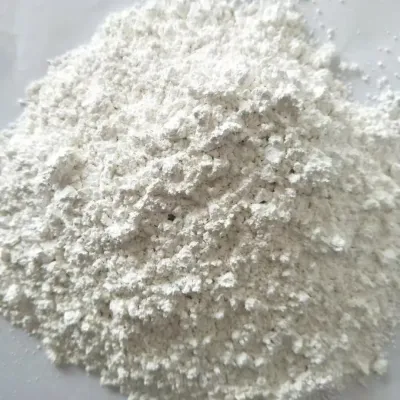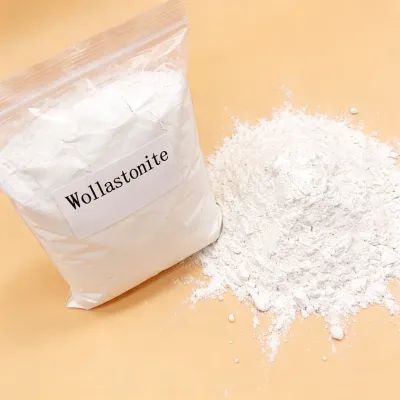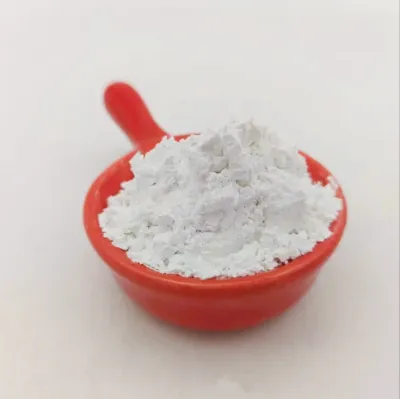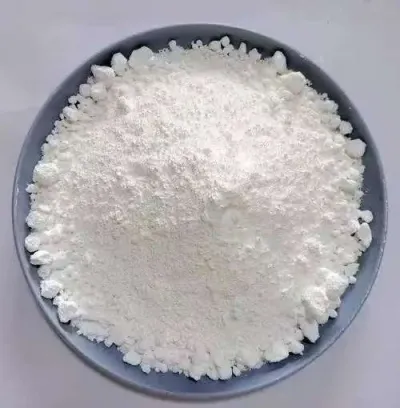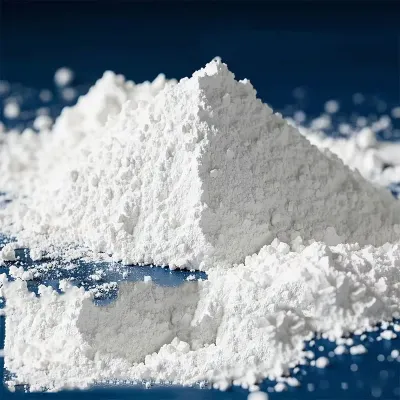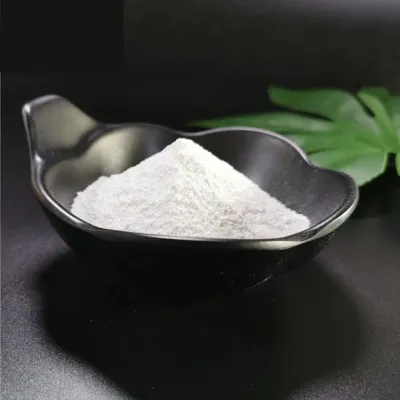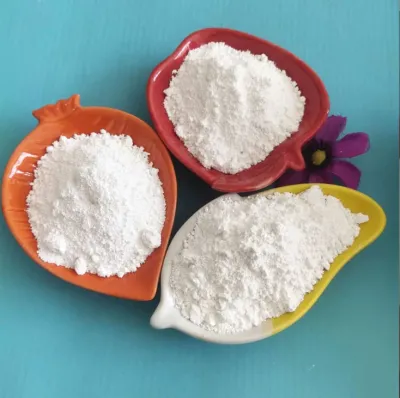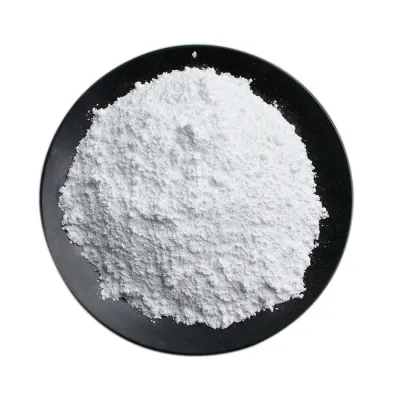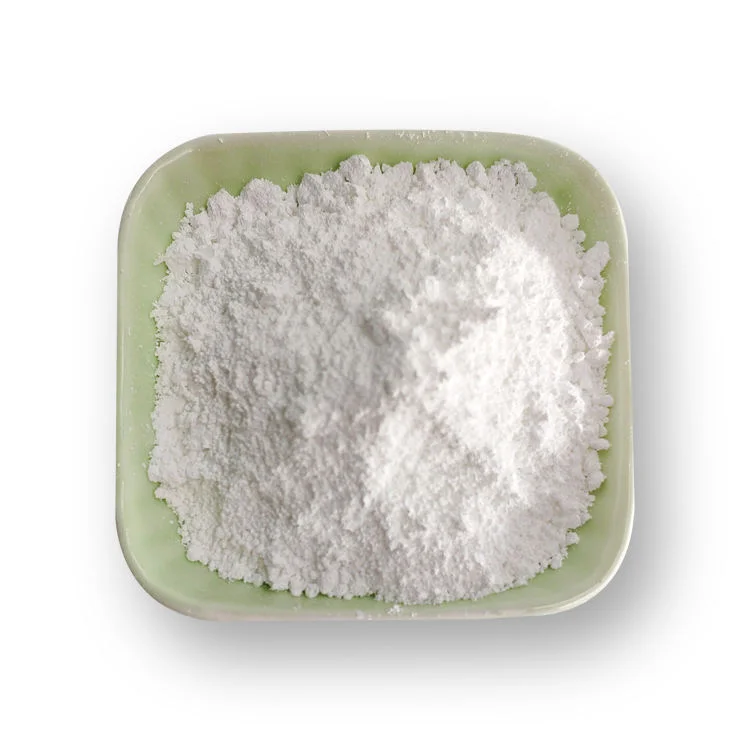
CSW-30H Anhydrous-Designated Calcium Sulfate CaSO4 Whisker Powder for Industrial Formulation Trials
-
ColorWhitePhysical formWhiskers , Powder
-
CAS No.7778-18-9Purity98%min
-
AppearanceWhite PowderApplicationplastic, rubber, coating, paint, papermaking, Powder coating, paint, rubber, plastic, etc.
-
ClassificationSulphateEINECS No.231-900-3
-
Grade StandardIndustrial GradeMolecular FormulaCaSO4
-
Other NamesCaSO4TypeCalcium Sulfate Whisker
-
Model NumberCSW-30HProduct nameCalcium Sulfate
-
CaSO4 content>98%Whiteness≥ 92 %
-
CetificateISO 9001Hs code2833299090
-
pH6-7Melting point1450 ℃
-
Refractive index1.585density2.6g/cm3
CSW-30H is a white industrial calcium sulfate whisker powder carrying an anhydrous designation. Stated purity is 98% minimum and stated calcium sulfate content is greater than 98%. Plastic, rubber, coatings, paint, powder coating and papermaking are the identified evaluation contexts.
Look at the whisker dimensions for CSW-30H
Request the actual length and diameter distributions rather than relying on the whisker name alone. Confirm the supplied phase and the method used to establish it. Those documents help define the material being compared before a polymer, coating or paper process is evaluated.
Distinguish material constants from processing instructions
The stated density is 2.6 g/cm3 and refractive index is 1.585. A melting point of 1450 °C is also reported, but it does not specify a processing temperature or a continuous-service limit. Request the relevant measurement basis and assess thermal behaviour under the actual process conditions.
Make the optical and chemical checks comparable
Whiteness is stated as at least 92% and pH as 6–7. Ask for the optical reference and pH preparation method alongside the current composition analysis. Review the assay basis with the confirmed phase when setting the project's acceptance criteria.
Plan a formulation-specific comparison
Identify the binder, polymer or papermaking system and the properties that the trial must measure. Evaluate the sample under controlled conditions and record the finished-material results. Keep the phase, dimension and analysis reports with the exact powder tested, and review any applicable certification documents before acceptance.