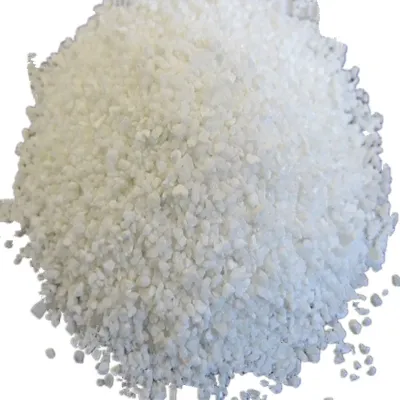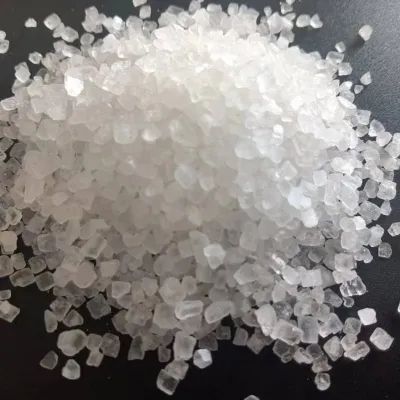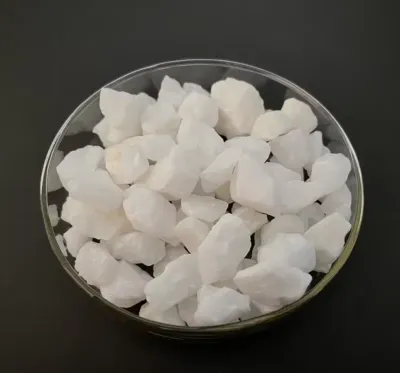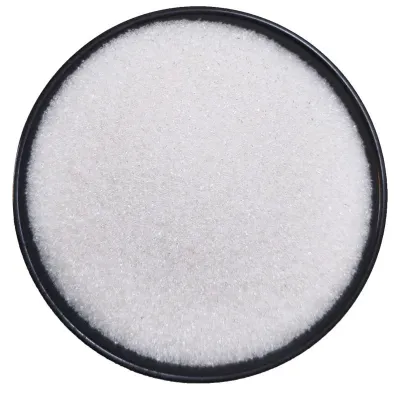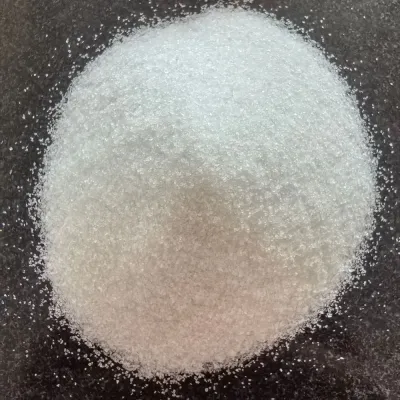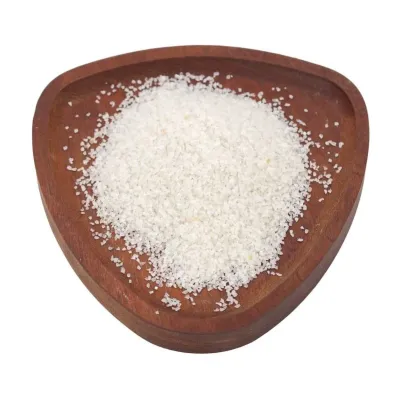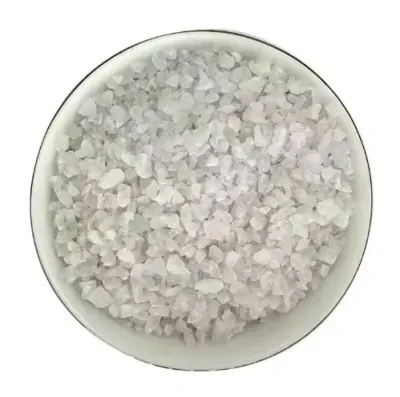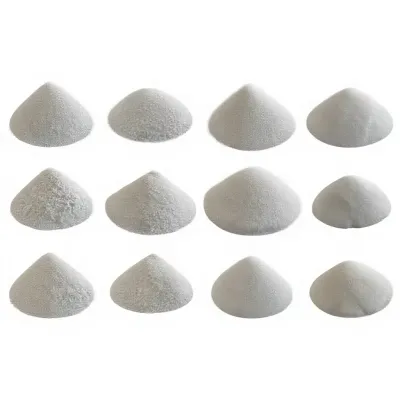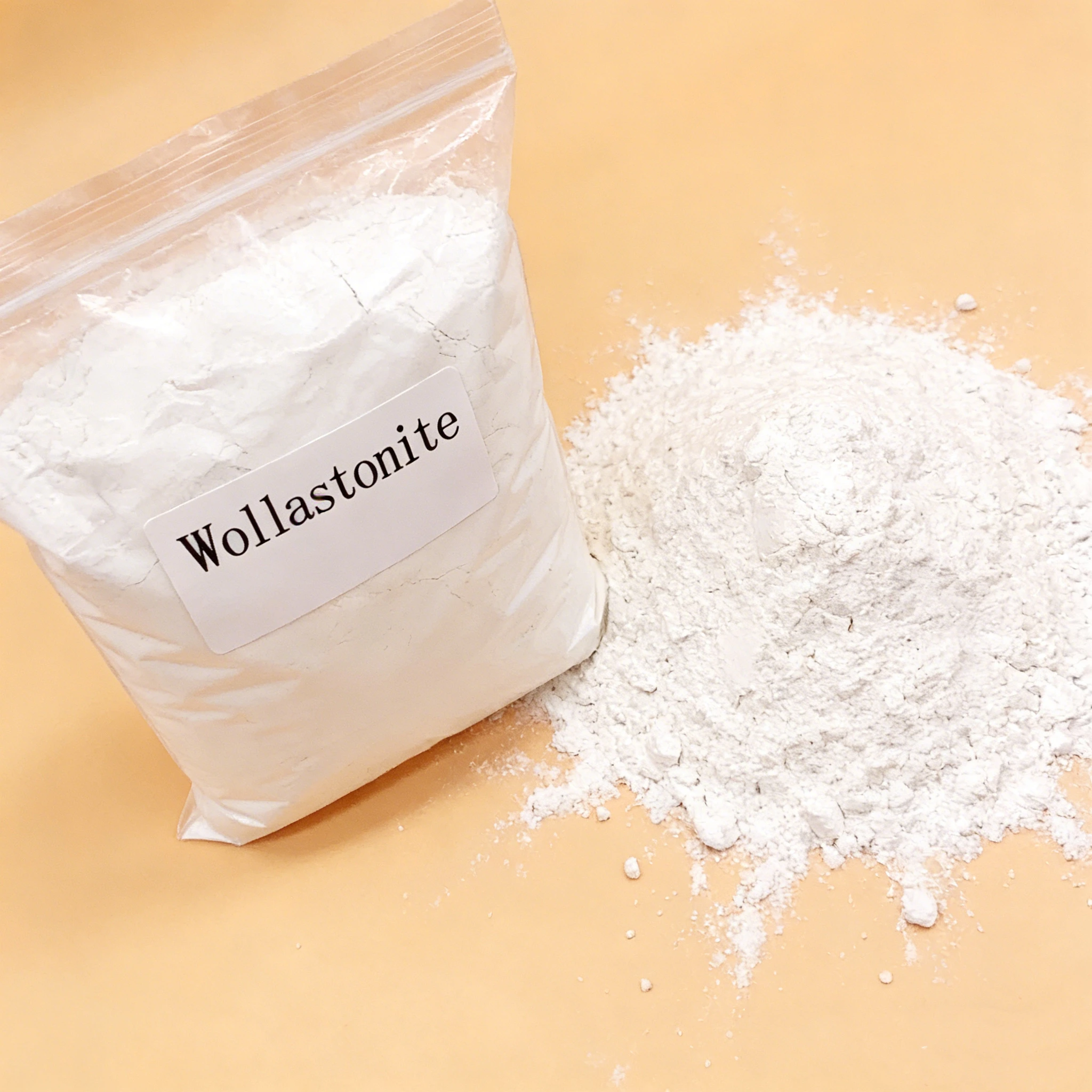
Wollastonite Powder 200-2000 Mesh, Needle-Shaped Calcium Silicate for Ceramics, Plastics, Rubber and Paint
-
Particle-size designationMesh designationPhysical formPowder
-
Al2O3 Content (%)≤1%CaO Content (%)41%-43%
-
Fe2O3 Content (%)≤0.2%MgO Content (%)≤3%
-
SiO2 Content (%)49%-51%ApplicationCeramics,Iron Or Steel Industry,Glass Industry
-
Hardness4.5Refractive Index (%)1.63
-
Whiteness84-93
Wollastonite buyers need to compare mineral chemistry and particle shape as separate questions. This needle-shaped calcium silicate powder has a 200-2000 mesh designation and applications spanning ceramics, plastics, rubber and paint. Its oxide profile provides a more precise starting point than a broad purity claim.
Read the calcium and silica ranges beside the minor oxides
The specified CaO content is 41%-43% and SiO2 is 49%-51%. The accompanying limits are Al2O3 at ≤1%, Fe2O3 at ≤0.2% and MgO at ≤3%. Compare each requirement separately against the proposed batch analysis; these figures should not be added into a new mineral-purity guarantee.
Ask which particle evidence supports the selected mesh
The 200-2000 mesh description gives a selection range, while needle-shaped describes morphology. Neither establishes the exact particle distribution or aspect ratio for a chosen grade. Request those measurements before comparing this wollastonite with a different filler in a ceramic body or polymer formulation.
Give whiteness and end-use trials their own acceptance tests
The stated whiteness range is 84-93, with no defined method or scale. Agree on that measurement basis before using the number in a colour-sensitive comparison. For paint, rubber and plastic work, define the formulation's finished-material criteria; for ceramics, define the trial conditions and acceptance tests appropriate to the intended body.
The technical parameters also identify iron, steel and glass industry enquiries as possible use contexts. Each requires its own grade assessment. Choose the application first, then request the relevant chemistry, particle and test documents rather than assuming that one broad mesh range guarantees the same result across all these processes.