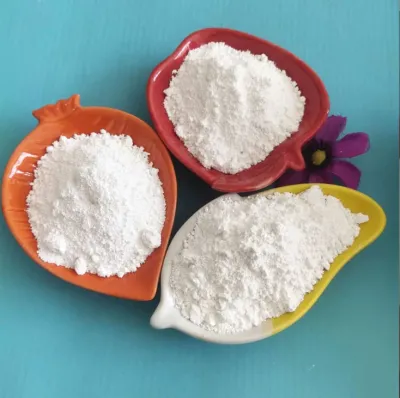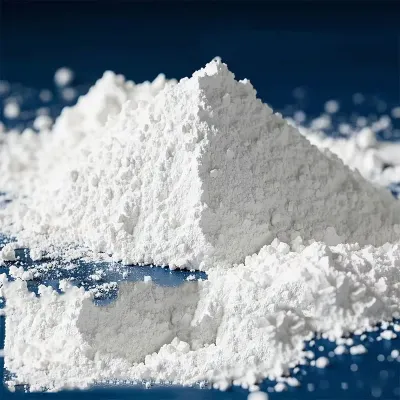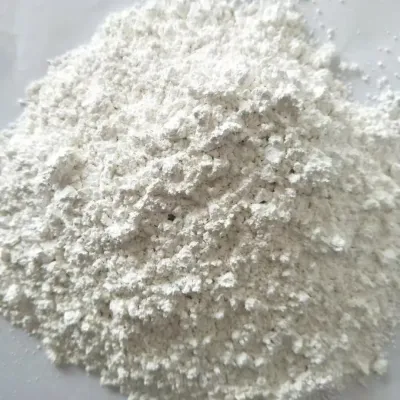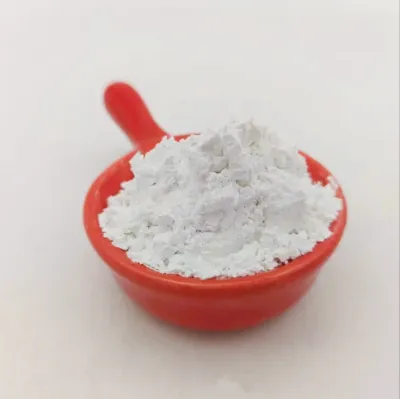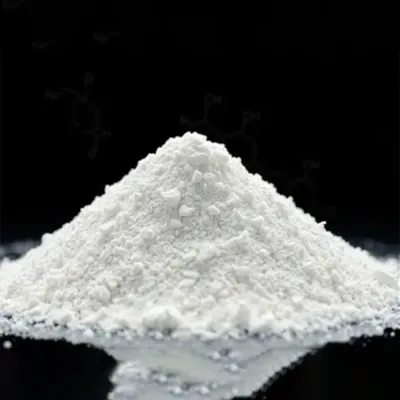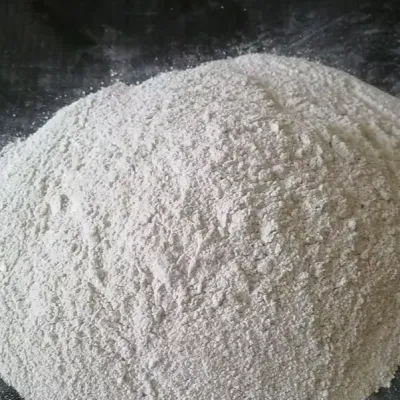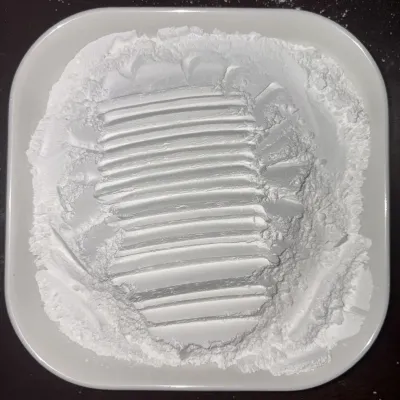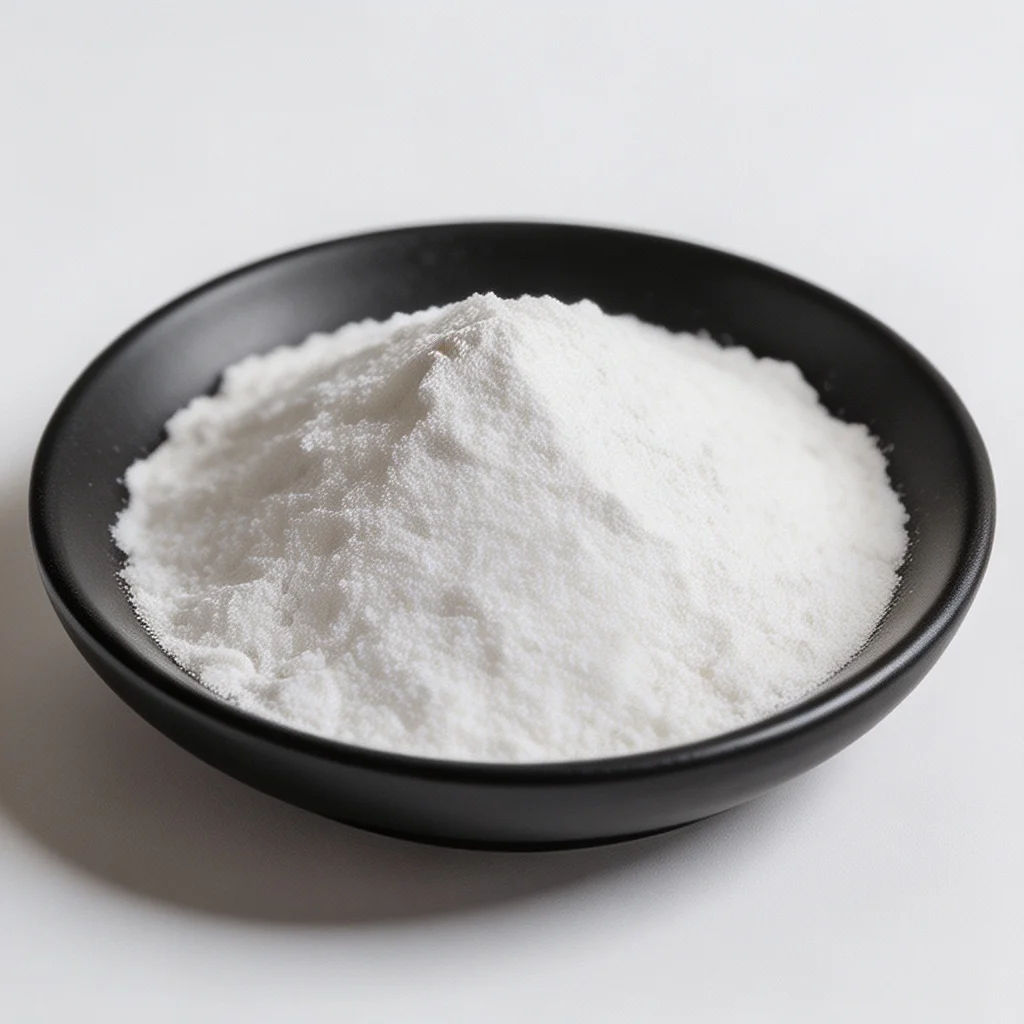
Heavy Calcium Carbonate CaCO3 96% Superfine Powder, 600–3000 Mesh, for Plastic and Rubber Qualification
-
Particle-size designationMesh designationColorWhite
-
Physical formPowder
-
CAS No.471-34-1Purity96%
-
Appearancewhite superfine powerApplicationPaint, Plastic, Rubber, Paper Making, Building
-
ClassificationCarbonateEINECS No.207-439-9
-
Grade StandardIndustrial GradeMolecular FormulaCaCO3
-
Other NamesActivated Calcium CarbonateTypeCalcium Carbonate
A plastic or rubber project should specify the powder properties it needs before comparing mesh names. This industrial heavy CaCO3 material has stated purity 96%, a white superfine-powder description and an activated designation that needs actual-grade clarification.
Select the mesh model within the polymer acceptance plan
The real options comprise 600, 800, 1250, 1500, 2500, 2800 and 3000 Mesh. Name the model under consideration and request the measurements needed by the actual formulation, rather than using its label as a measured particle distribution.
Check treatment status alongside chemical and particle reports
Obtain current assay, relevant individual impurities and distribution data identifying the offered sample. Ask what the activated designation means and whether any surface treatment applies, with documentation describing the actual material rather than an assumed coating.
- Polymer requirements
- The intended formulation role and the material observations used for acceptance.
- Powder requirements
- The selected mesh, analytical results, measured particles and confirmed treatment status.
Let actual polymer trials establish suitability
Mesh labels do not establish D50/D97, dispersion or a finished-property advantage. Evaluate the powder in the actual plastic or rubber system, using the project criteria instead of inferring benefit from the heavy or activated name.
Request optical measurements if the application needs them and obtain current safety documentation. Paint, papermaking and building directions also need their corresponding assessments, with the chosen model and sample evidence kept together through the material acceptance decision.