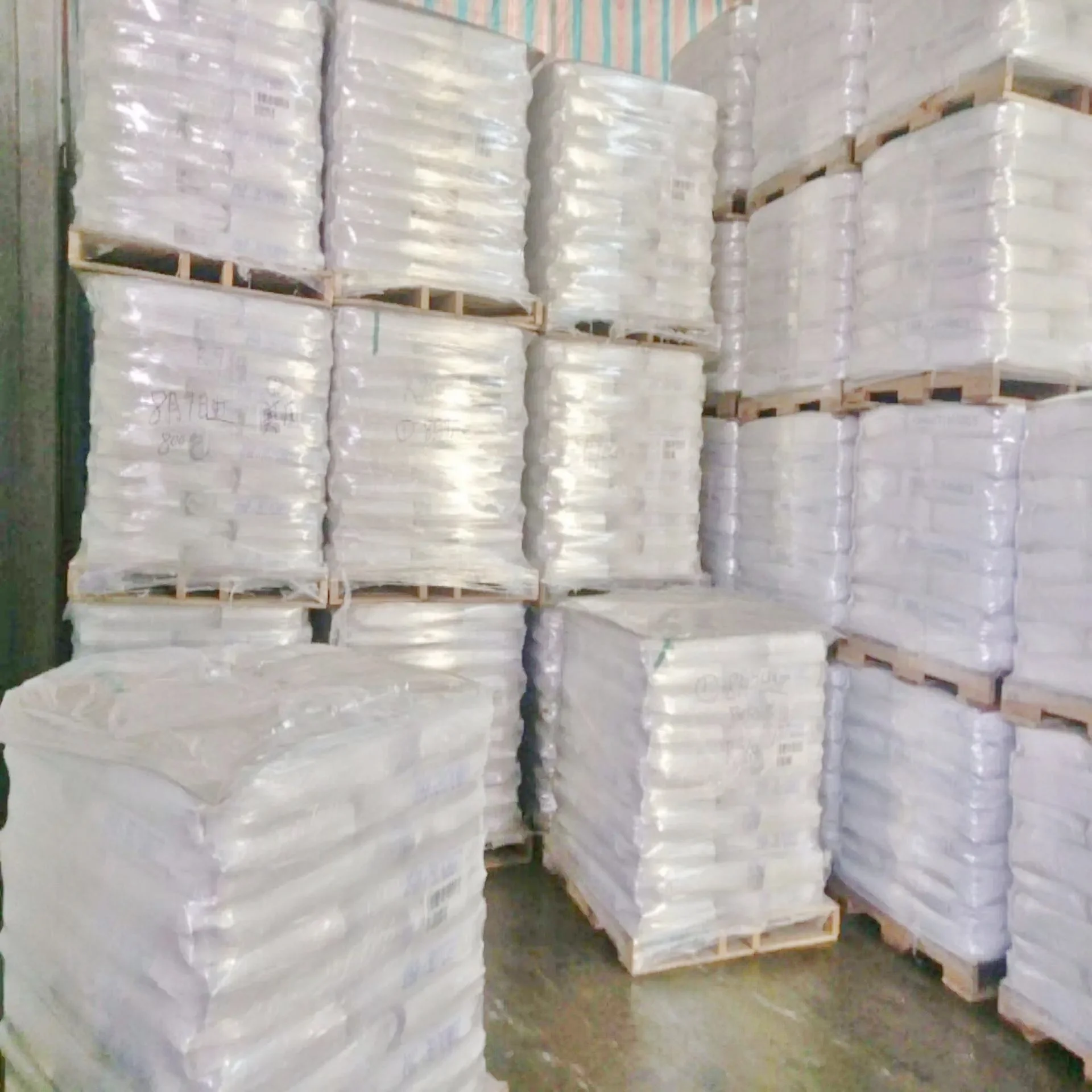
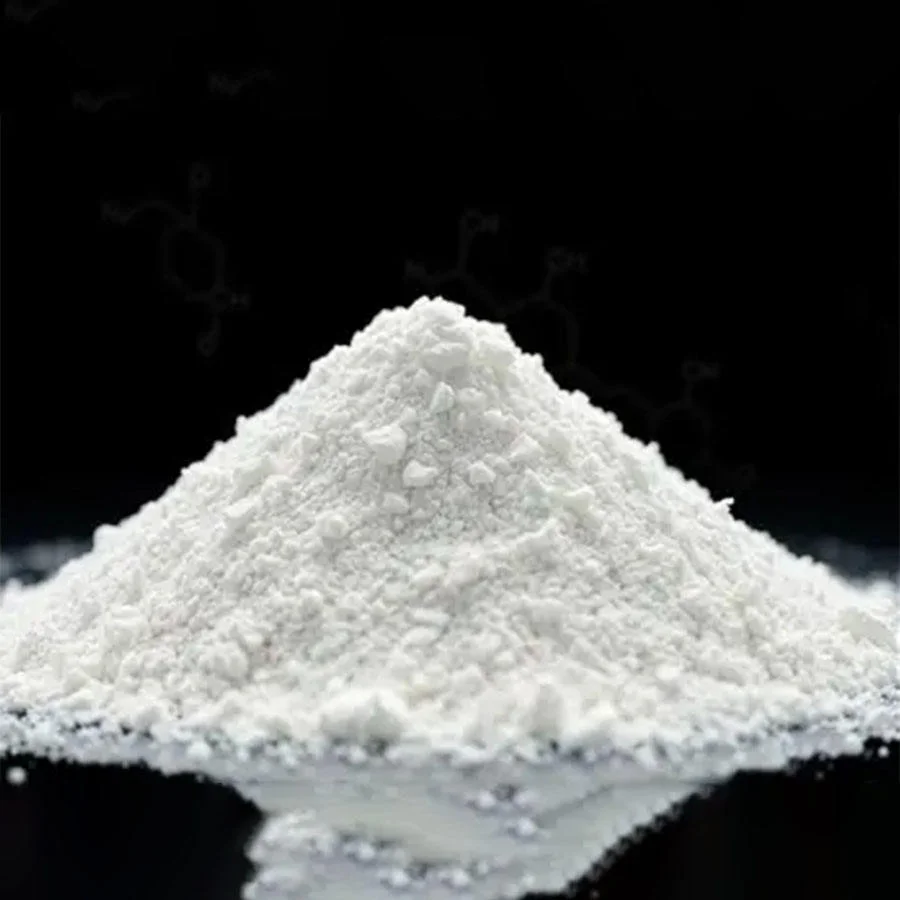
Calcium Oxide CaO Powder for Adhesive and Plastic Sealant Raw Material Qualification
-
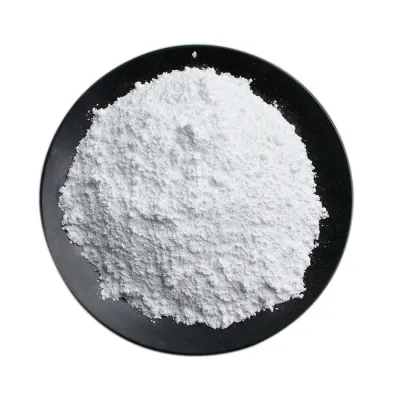
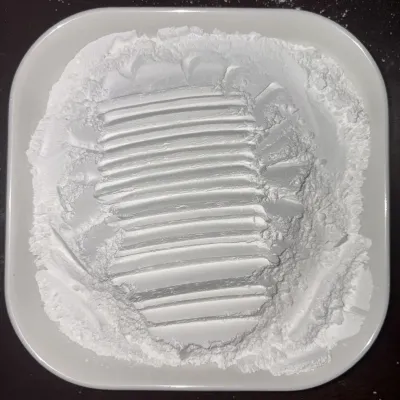
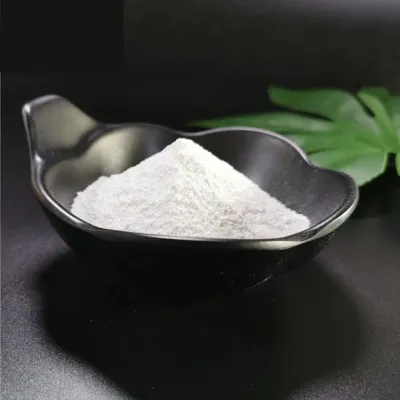
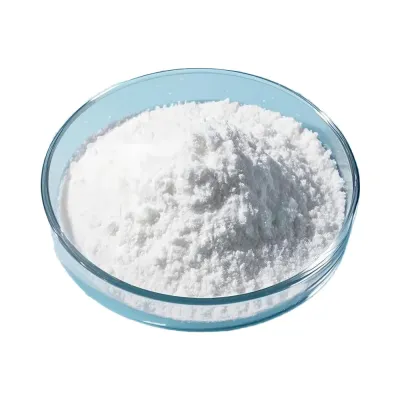
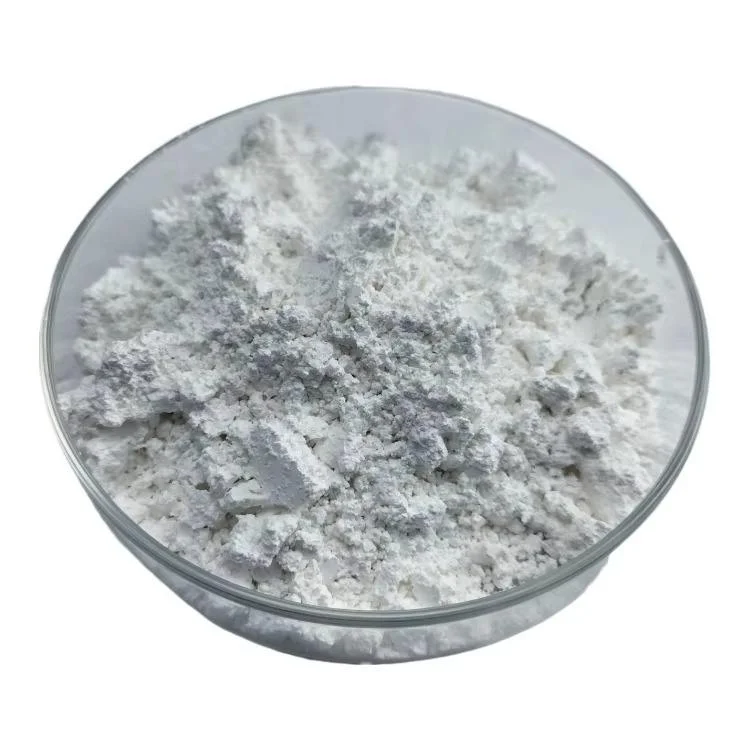
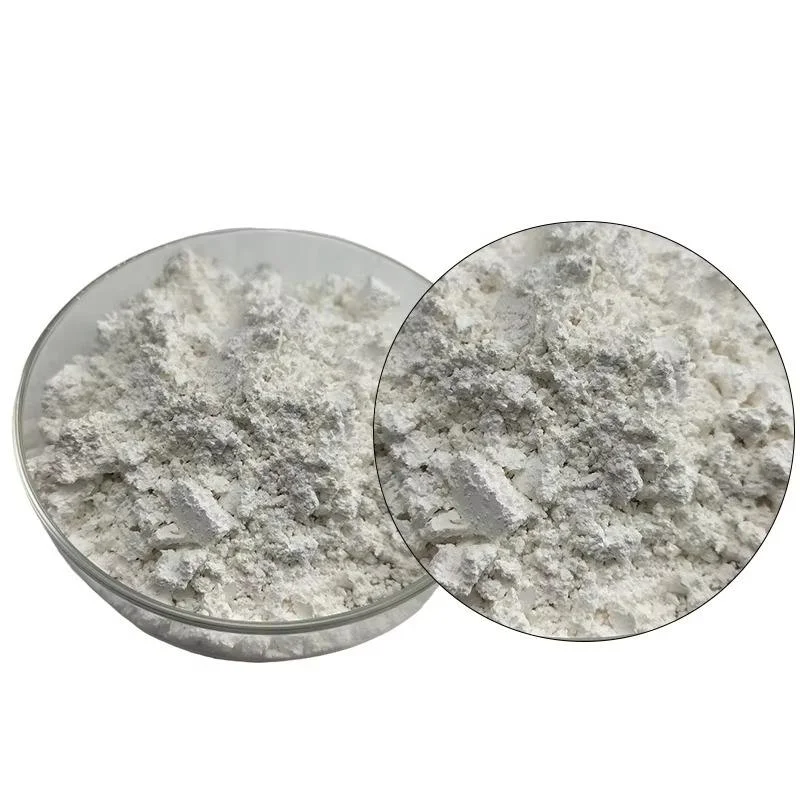
ColorWhitePhysical formPowder
-
CAS No.1305-78-8Purity90%-93%
-
Appearancewhite powderApplicationAdhesives & Plastic Sealants
-
ClassificationCalcium OxideEINECS No.215-138-9
-
Grade StandardIndustrial GradeMolecular FormulaCaO
-
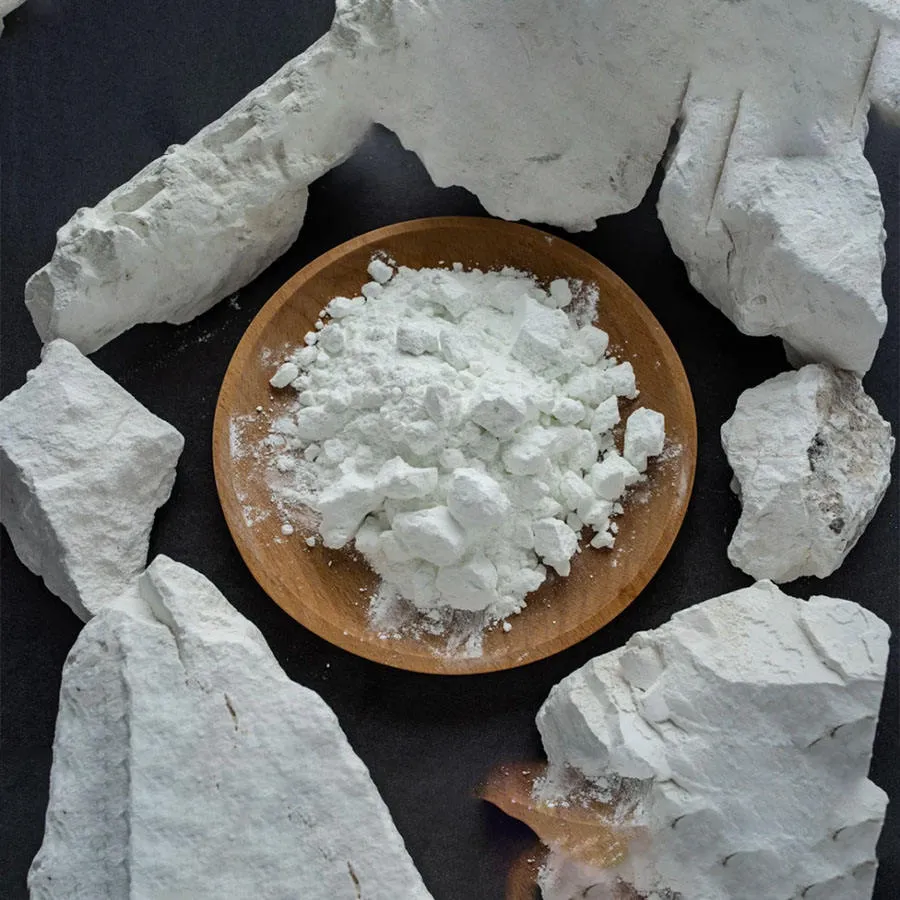
Other NamesQuicklime
An adhesive or plastic-sealant sample should be selected against a defined formulation brief. This calcium oxide is an industrial white CaO powder offered for those application enquiries. The proposed grade's chemical assay and technical specification need confirmation before the raw material can be accepted.
Agree on the CaO grade before comparing a substitution
Request a specification and batch analysis tied to the actual sample being offered. The chemical name alone does not establish a numerical assay or an impurity limit. Purchasing and formulation teams should use the same documented grade reference throughout the comparison.
Ask what the adhesive or sealant system must demonstrate
Identify the intended binder system and the finished-material criteria relevant to the project. Use those requirements to define a controlled trial of the proposed powder. An application name does not establish compatibility, a processing result or the performance of a finished bond or seal.
- Confirm the selected grade and its analysis.
- Request particle and impurity information relevant to the formulation.
- Review the agreed sample tests before accepting a material change.
Keep the industrial powder identity traceable
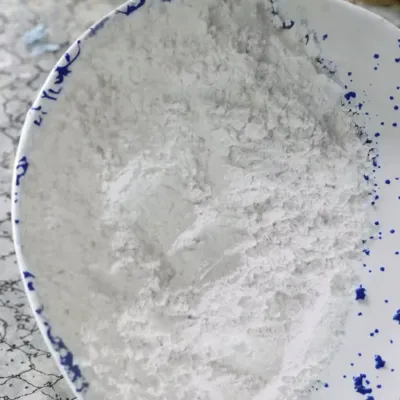
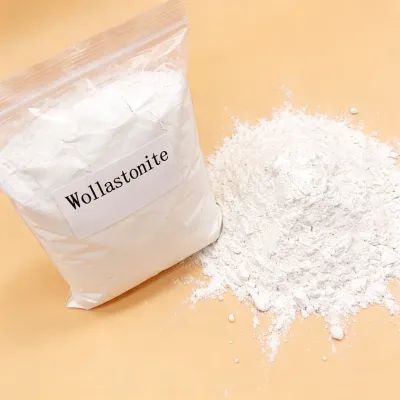
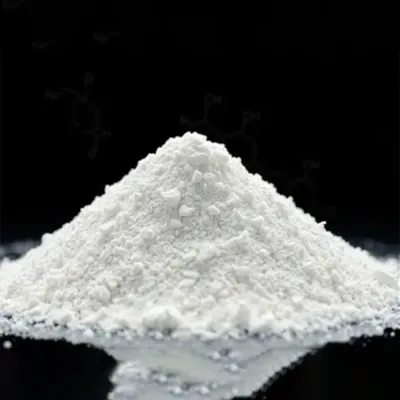
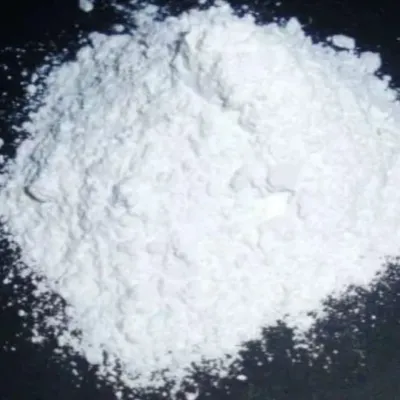
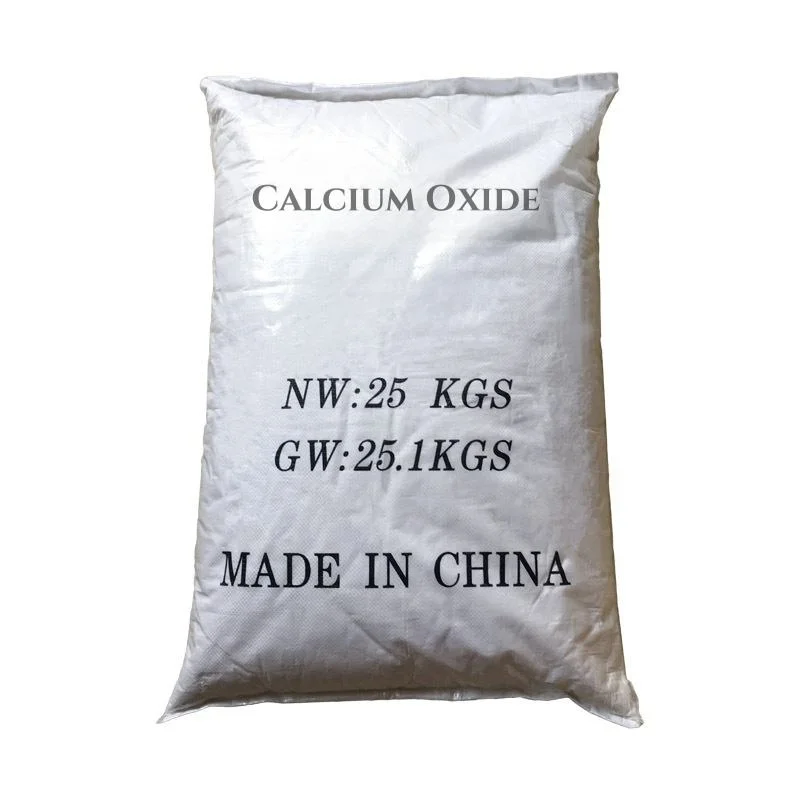
The supplied chemical is calcium oxide, CaO, CAS 1305-78-8, also called quicklime. Its white-powder form is part of the raw-material description. Keep that identity attached to the technical and handling documents rather than relying on visual appearance alone.
The useful next evidence is a complete grade package and an application-specific trial record. This gives the enquiry a clear basis without inventing a formulation dose or a guaranteed finished-product result. Any substitution should follow those acceptance findings rather than a broad purity claim.