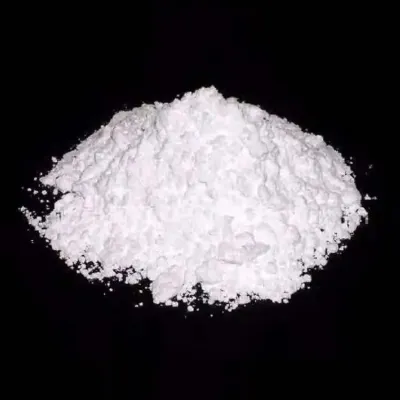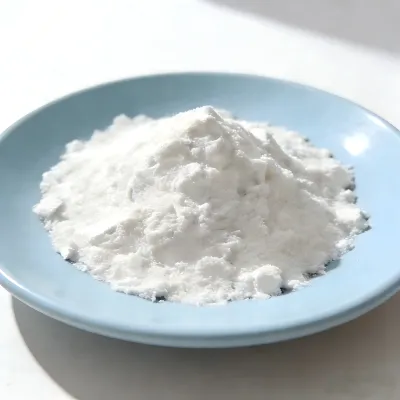
Heavy Calcium Carbonate CaCO3 96% White Superfine Powder, 600–3000 Mesh, for Paint Sample Assessment
-
Particle-size designationMesh designationColorWhite
-
Physical formPowder
-
CAS No.471-34-1Purity96%
-
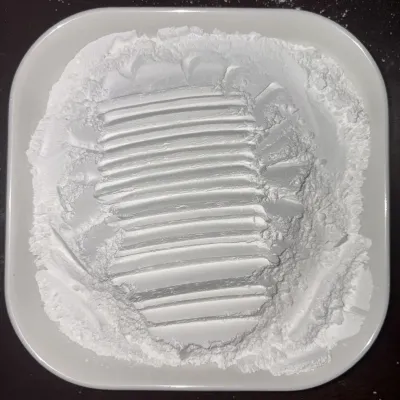
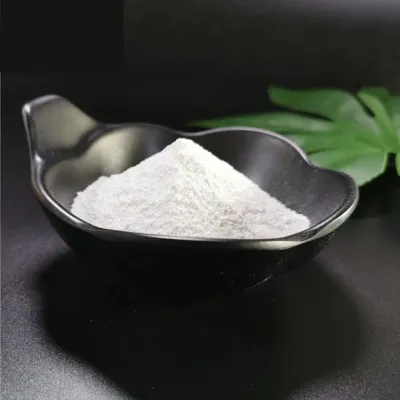
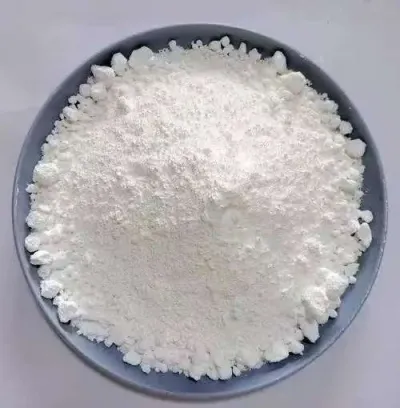
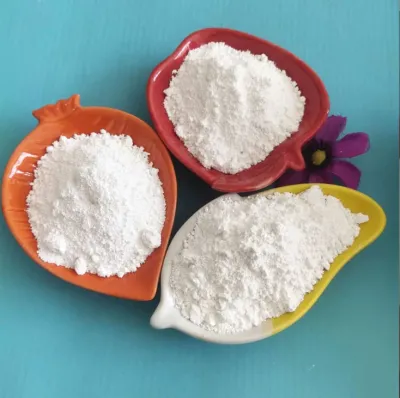
Appearancewhite superfine powerApplicationPaint, Plastic, Rubber, Paper Making, Building
-
ClassificationCarbonateEINECS No.207-439-9
-
Grade StandardIndustrial GradeMolecular FormulaCaCO3
-
Other NamesActivated Calcium CarbonateTypeCalcium Carbonate
A paint sample is most informative when its mesh identity and supporting powder data are clear. This industrial heavy calcium carbonate is described as white superfine CaCO3 powder with purity 96% and carries an activated designation.
Name the actual powder model in the sample enquiry
The seven real choices are 600, 800, 1250, 1500, 2500, 2800 and 3000 Mesh. Specify the intended model and confirm that the current analytical and physical reports identify the same material as the sample proposed for evaluation.
Choose measurements that answer the coating project’s questions
Request relevant individual impurities and measured particle-distribution data, alongside any required optical results with their methods. A mesh label does not supply D50 or D97, while white appearance and high-whiteness wording do not demonstrate an optical value or coating benefit.
- Identify the actual mesh model and sample.
- Review the chemical, particle and optical evidence needed by the paint project.
- Assess relevant coating observations against the defined criteria.
Clarify the activated designation before judging results
Ask whether surface treatment is present and obtain documentation of the actual treatment where applicable. The name alone does not establish coating chemistry, dispersion behaviour or a processing advantage in the formulation tested.
Plastic, rubber, papermaking and building materials are additional listed uses and need their own evidence. Obtain current safety information and keep the powder reports with the sample and coating observations, supporting a material choice based on the actual grade and application assessed.