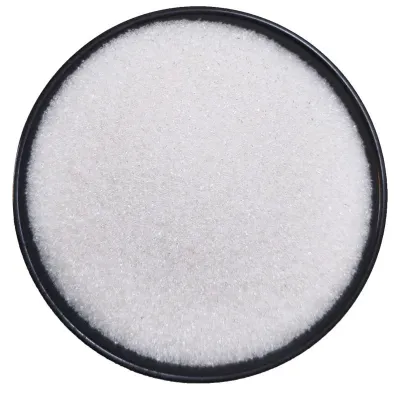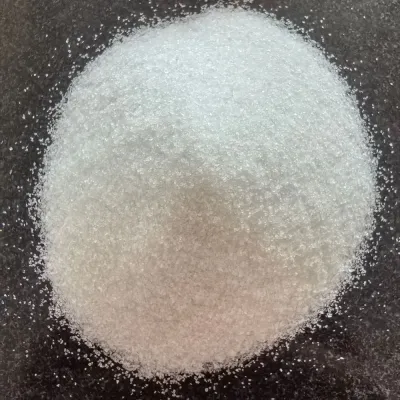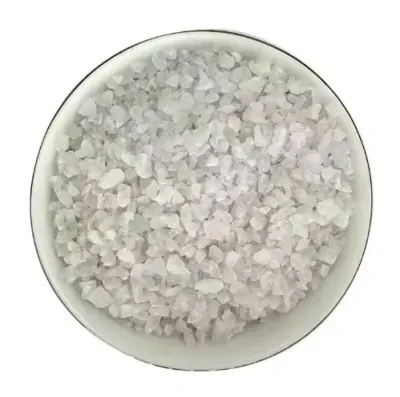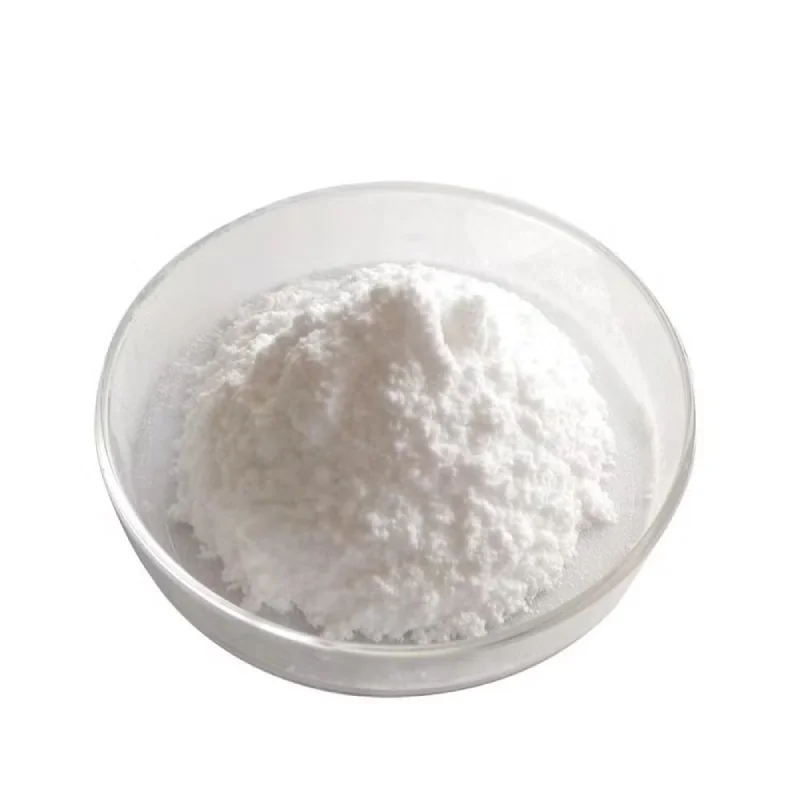
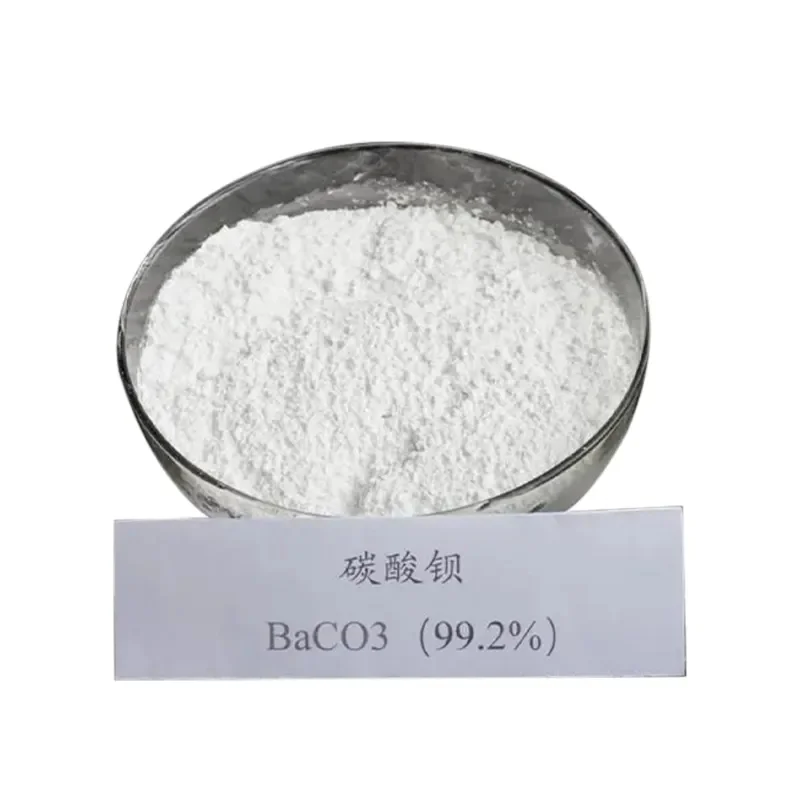
Industrial Barium Carbonate BaCO3 99.0% Powder for Specialty Ceramics, Optical Glass and Electronics
-
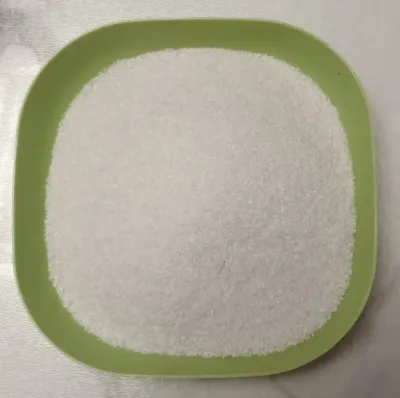
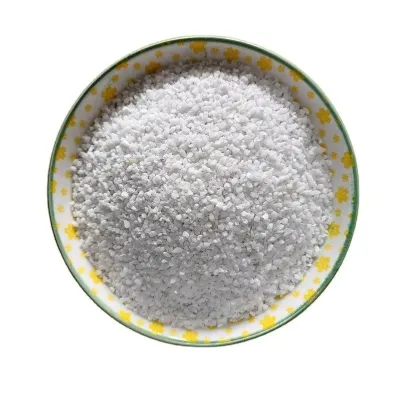
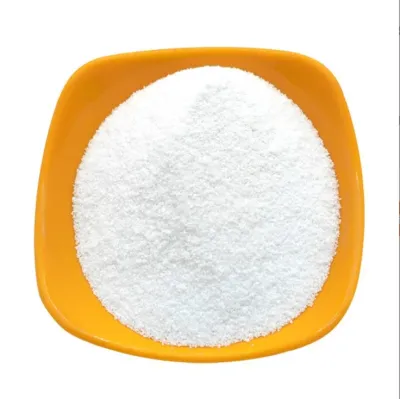
Particle-size designationMesh designationColorWhite
-
Physical formPowder
-
CAS No.513-77-9Purity99.0%
-
AppearanceWhite PowderApplicationCeramics, Glass, Ferrite, Electronic Industry, Ceramics, Glass, Ferrite, Electronic Industry, Enamel
-
ClassificationCarbonateEINECS No.208-167-3
-
Grade StandardIndustrial GradeMolecular FormulaBaCO3
-
Other NamesCarbonic Acid Barium SaltTypeBarium Carbonate
-
Product NameBarium CarbonateDensity4.43 g/cm³
-
Melting Point811°C (Decomposes)SolubilityInsoluble in Water
-
Particle Size325 MeshStorageCool, Dry and Well-Ventilated Place
-
Shelf Life24 MonthsPackaging25kg PP Woven Bag / 1000kg Jumbo Bag
-
SampleAvailable
Specialty ceramic and optical-glass projects need a material brief that goes beyond the name of a carbonate. This industrial white barium carbonate powder is identified as BaCO3, with stated purity of 99.0%. Ferrite, electronic-industry and enamel work are additional evaluation contexts.
Define the ceramic or optical-glass composition limits
Request current analysis and specify the constituents that matter to the proposed material. The stated assay does not describe every remaining constituent or establish an optical-grade qualification. Compare the actual sample report with the project's composition criteria before starting process trials.
Check the 325-mesh result against a named procedure
The particle designation is 325 mesh and stated density is 4.43 g/cm³. Obtain the sieve standard, passing requirement and density measurement basis. A mesh designation does not provide a complete particle distribution or justify a particular processing outcome.
Ask for the thermal evidence required by the process
Describe the intended process conditions and request relevant thermal reports for the supplied material. A general thermal entry does not establish an operating instruction or a safe service limit. Evaluate those requirements using the actual process and its own acceptance criteria.
Assess this carbonate as its own compound
Use technical documentation specific to barium carbonate rather than borrowing assumptions from another barium salt. Associate the current composition and measured-property reports with the exact sample tested. Review the finished-material results for the intended ceramic, glass or electronic application before acceptance, and confirm the storage instructions applicable to the supplied material.