Industrial Basic Nickel Carbonate Powder for Specialty Chemicals and Nickel-Salt Production, 45–48% Nickel
-
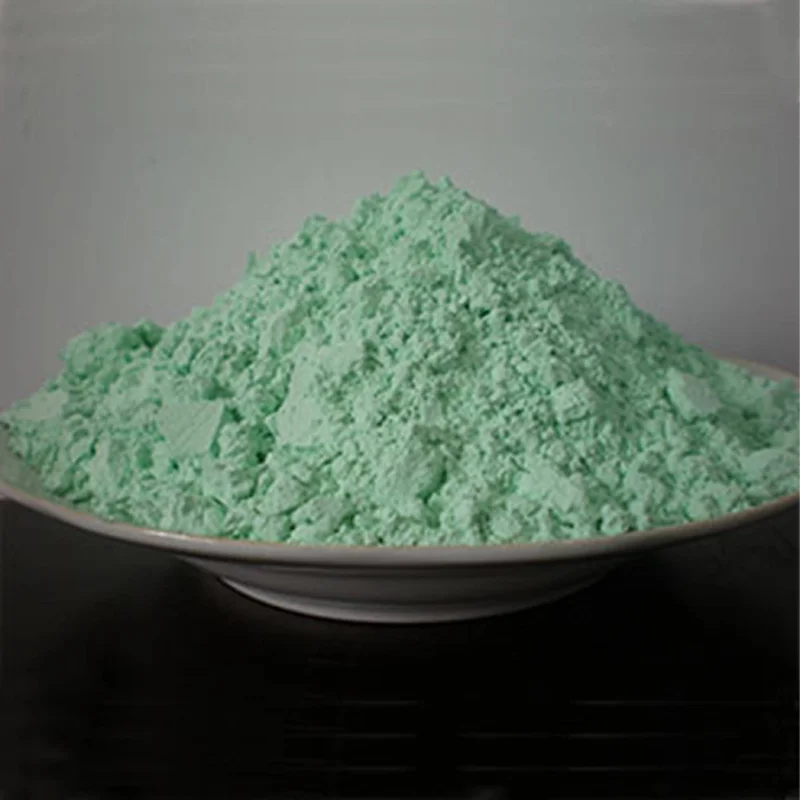
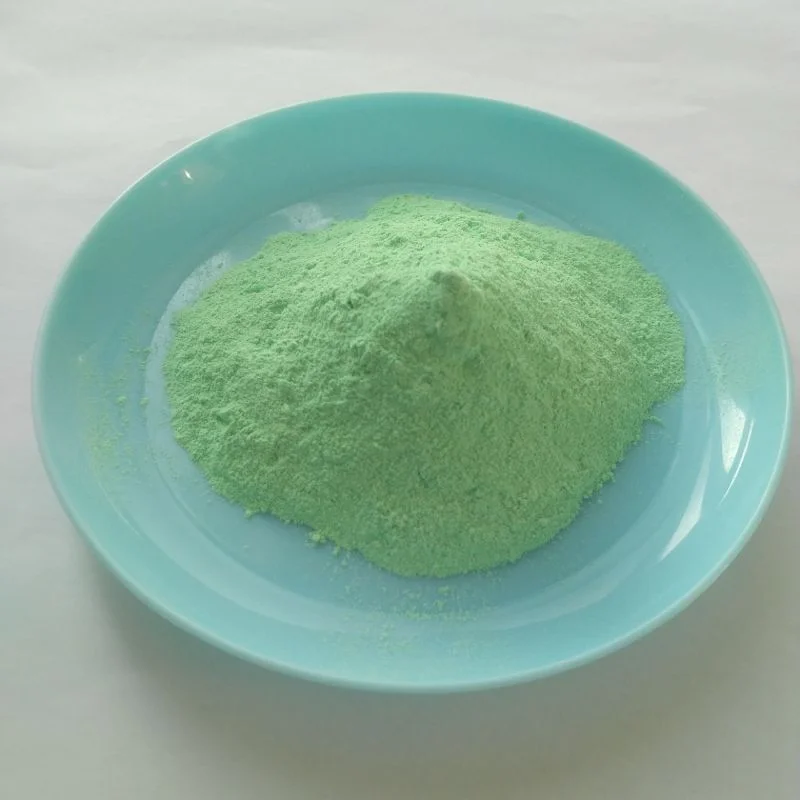
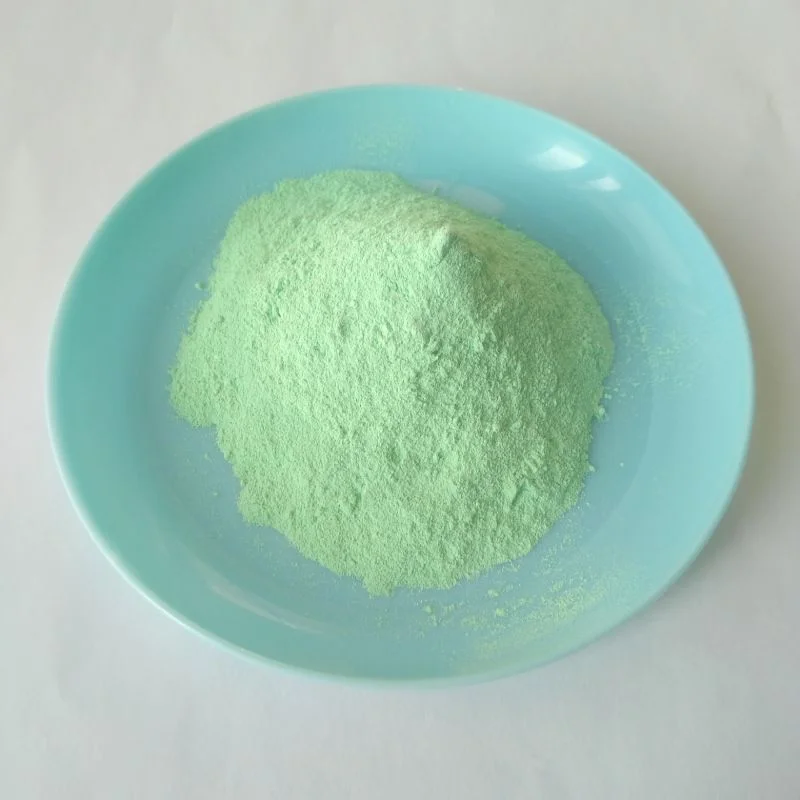
ColorLight greenPhysical formPowder
-
CAS No.12607-70-4Purity45%
-
AppearanceLight Green PowderApplicationBattery Materials, Catalysts, Electroplating Chemi
-
ClassificationCarbonateEINECS No.235-715-9
-
Grade StandardIndustrial GradeMolecular FormulaNiCO3*2Ni(OH)2*4H2O
-
Other NamesBasic Nickel Carbonate; Nickel Carbonate Basic; NiTypeNickel Carbonate
-
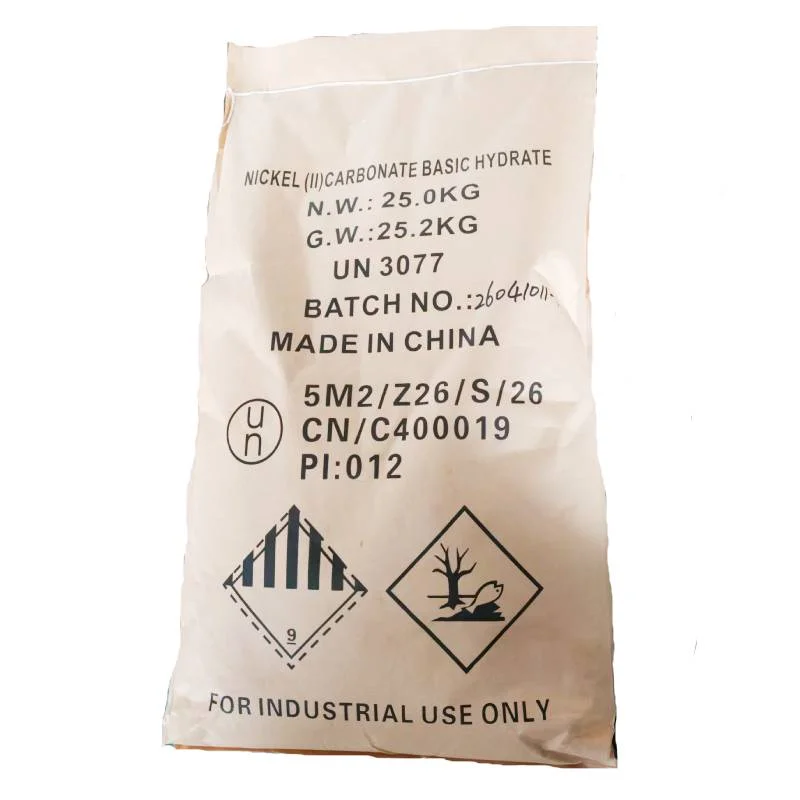
Product NameBasic Nickel CarbonateNickel Content45%-48%
-
DensityApprox. 3.5-4.0 g/cm³Water SolubilityInsoluble in Water
-
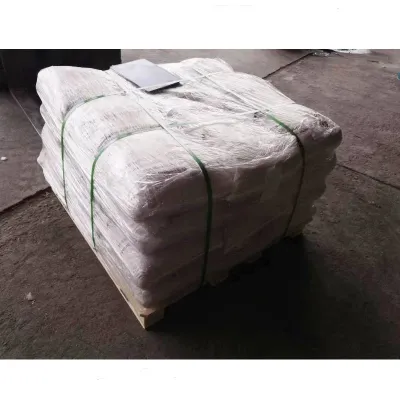
pH Value7.0-9.0Packing25kg PP Bag with PE Liner; 500kg/1000kg Jumbo Bag
-
HS Code2836999000Shelf Life24 Months
-
StorageStore in a Cool, Dry and Well-Ventilated PlaceSampleAvailiable
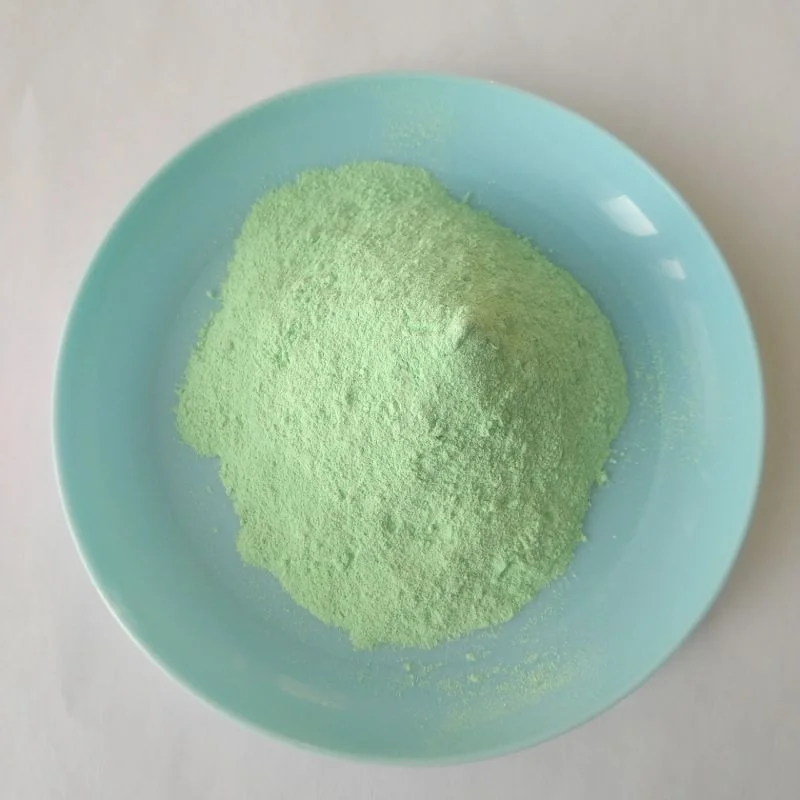
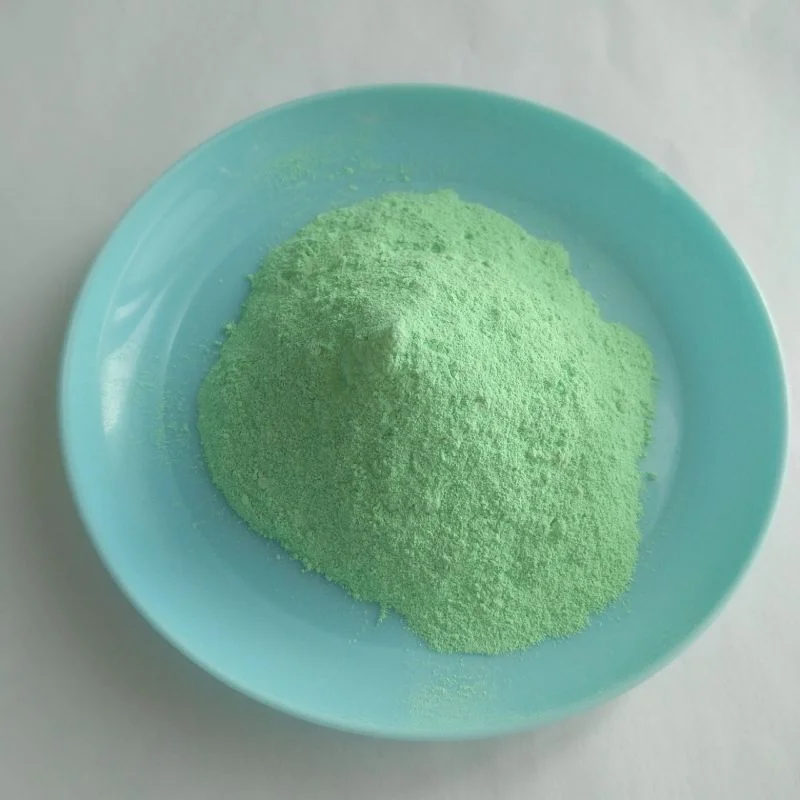
A specialty-chemical enquiry should establish the incoming nickel compound and the intended process requirements together. This industrial basic nickel carbonate is a light green powder with stated nickel content of 45–48%. Nickel-salt production is an identified evaluation context.
Review identity documents for the supplied basic carbonate
The stated formula is NiCO3*2Ni(OH)2*4H2O. Request appropriate compound-specific documents for the actual material being considered. Confirm the sample identity before comparing composition reports or deciding whether it meets the intended manufacturing brief.
Define nickel and constituent acceptance criteria
Obtain current analysis with the basis used to report elemental nickel. Identify the other constituents that matter to the specialty-chemical or nickel-salt process. The nickel-content range does not establish whole-compound purity or every impurity limit relevant to selection.
Check physical methods and actual-process evidence
Reported material pH is 7.0–9.0 and density is approximately 3.5–4.0 g/cm³. Ask for the preparation and measurement methods, along with particle information where required. These material values do not supply conversion instructions, yield or a finished-product guarantee.
- What supports a process decision?
- Current identity and composition documents matched to a controlled actual-system assessment.
- Which uses need separate evidence?
- Battery-material, catalyst and electroplating applications and their respective qualification criteria.
Keep reports associated with the exact powder tested. Review the process results, applicable technical documentation and supplied storage instructions before accepting a sample for the project.