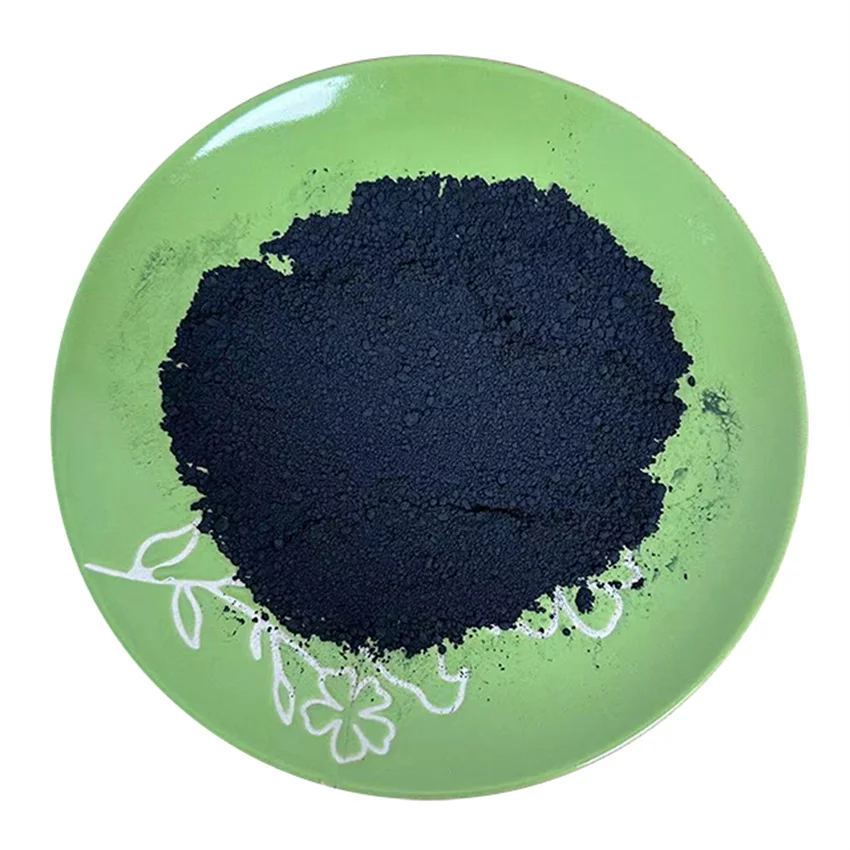
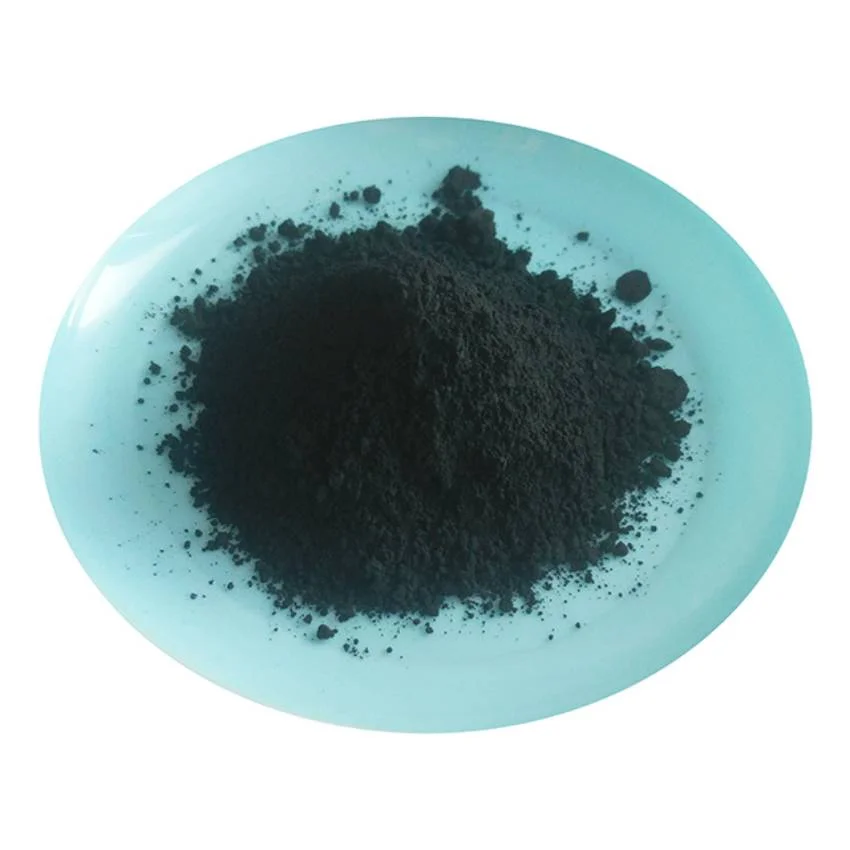
Industrial Cobalt Oxide CoO TY-Cobalt Oxide Powder for Enamel, Glass and Pottery Enquiries
-
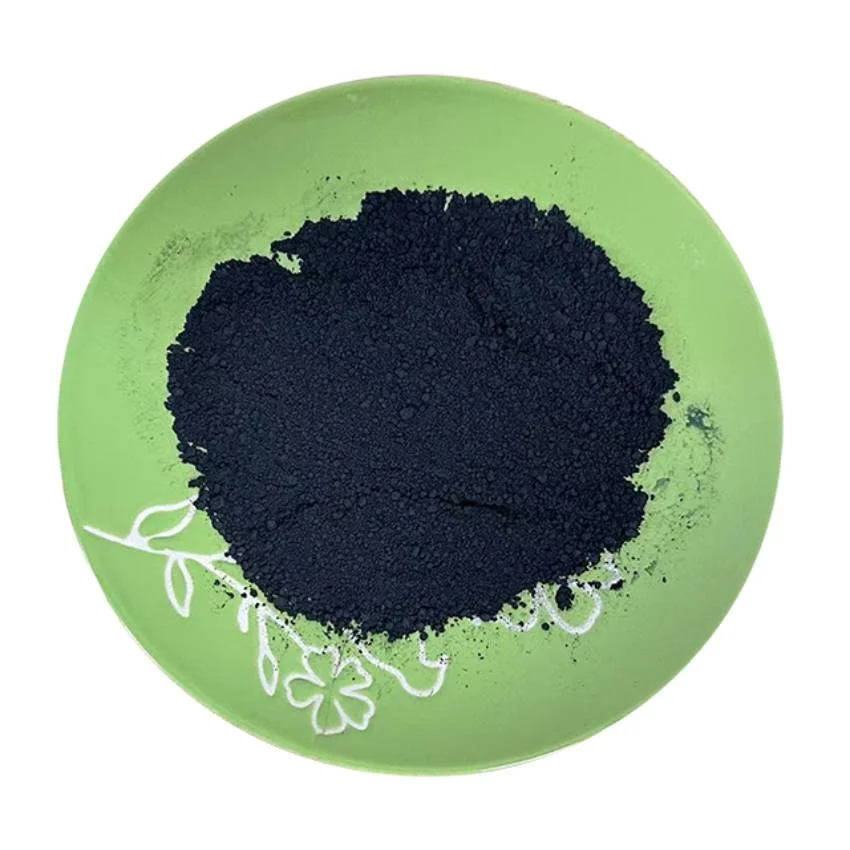
ColorBlackPhysical formPowder
-
CAS No.1307-96-6PurityCo 72-74
-
Model NumberTY-Cobalt OxideAppearanceblack powder
-
Applicationmagnetic materialsClassificationCobalt Oxide
-
EINECS No.215-154-6Grade StandardIndustrial Grade
-
Molecular FormulaCoOOther NamesCobalt Oxide
-
Melting point:1785 °Cdensity:6.45
-
Water Solubility:insolubleHS Code:28220090.00
Enamel, glass and pottery projects should specify the oxide identity and constituent requirements before a pigment-material comparison. This industrial black powder is listed as TY-Cobalt Oxide with a stated CoO formula. Magnetic materials are another named evaluation context.
Confirm the cobalt analysis needed by the formulation
Request a current sample-linked report that states the cobalt result with explicit units and an analytical basis. Include the impurity limits required by the actual project. A model name and black appearance do not establish every composition criterion needed for an enamel, glass or pottery process.
Read thermal and water-solubility information in context
The reported melting point is 1785°C, with water solubility described as insoluble. Obtain the relevant measurement methods before using these descriptions in a material comparison. A melting-point value does not provide a processing temperature, thermal operating limit or guarantee of behaviour in a finished formulation.
Link pigment and magnetic-material acceptance to separate trials
- Enamel, glass or pottery
- Define the actual formulation and the observations used to judge the sample.
- Magnetic-material project
- Agree the required material specification and measured performance criteria.
- Physical comparison
- Request current particle information and density data with units and a clear reporting basis.
Review actual-process results after confirming the sample identity and constituent analysis. Keep technical and handling documents with the tested material records, and assess each intended use independently before making a final selection.