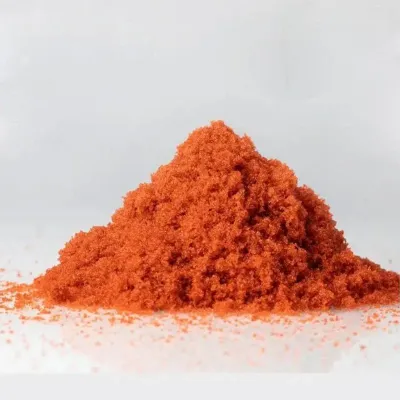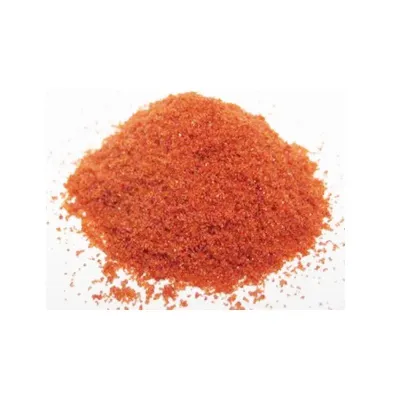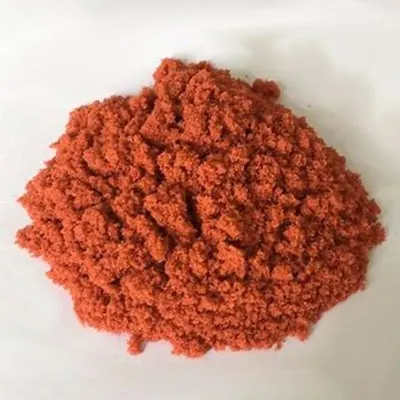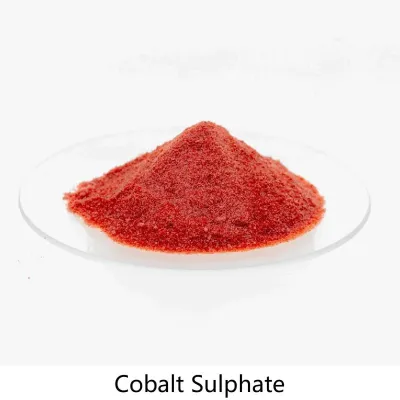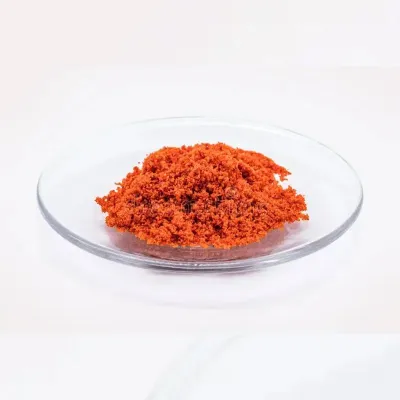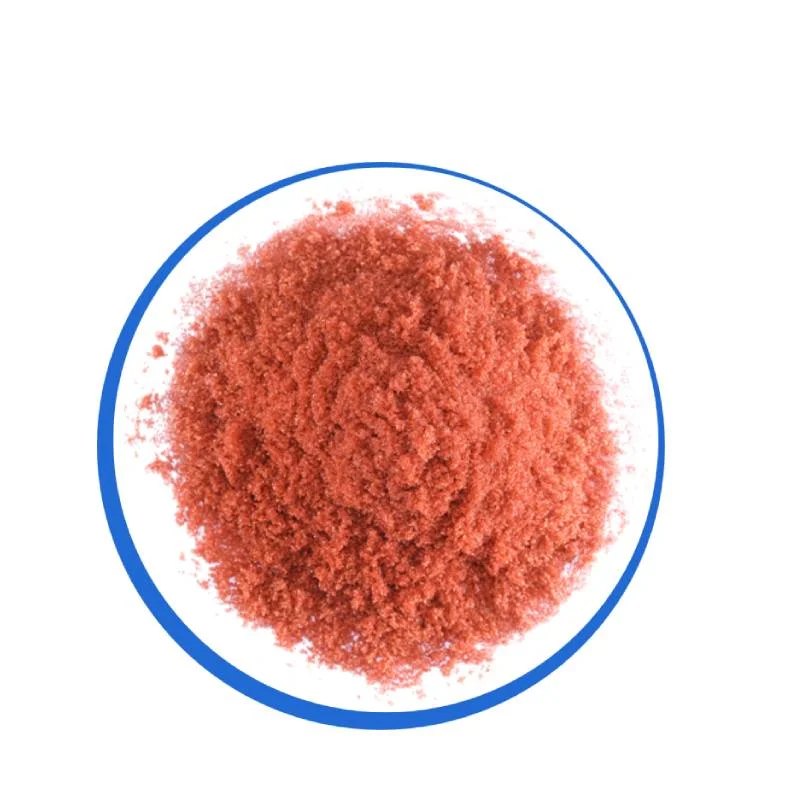
Industrial Cobalt Sulphate Heptahydrate, 21% Co, for EV Battery Cathode Production-Line Enquiries
-
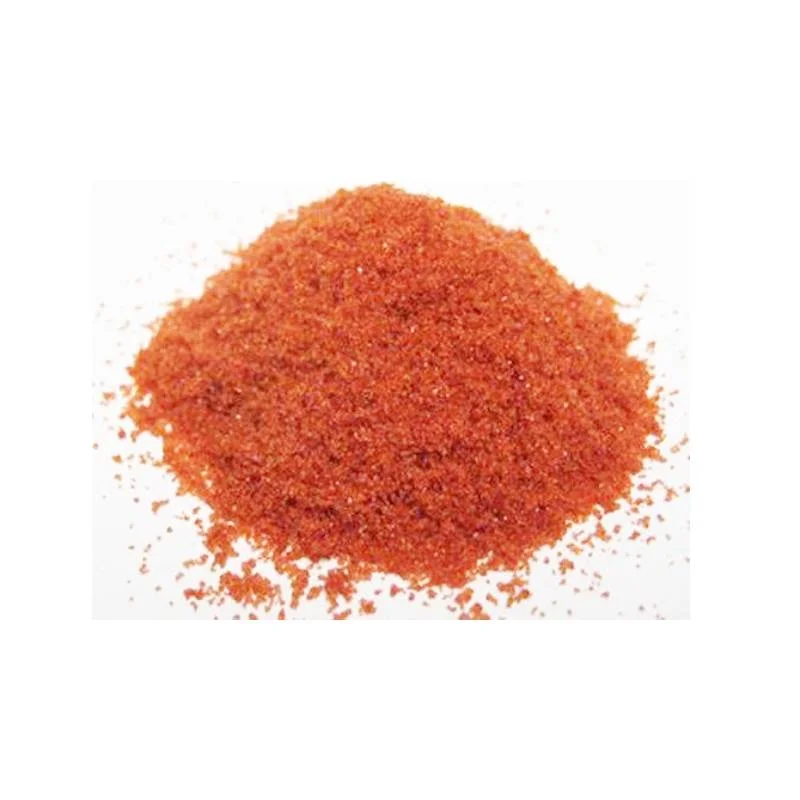
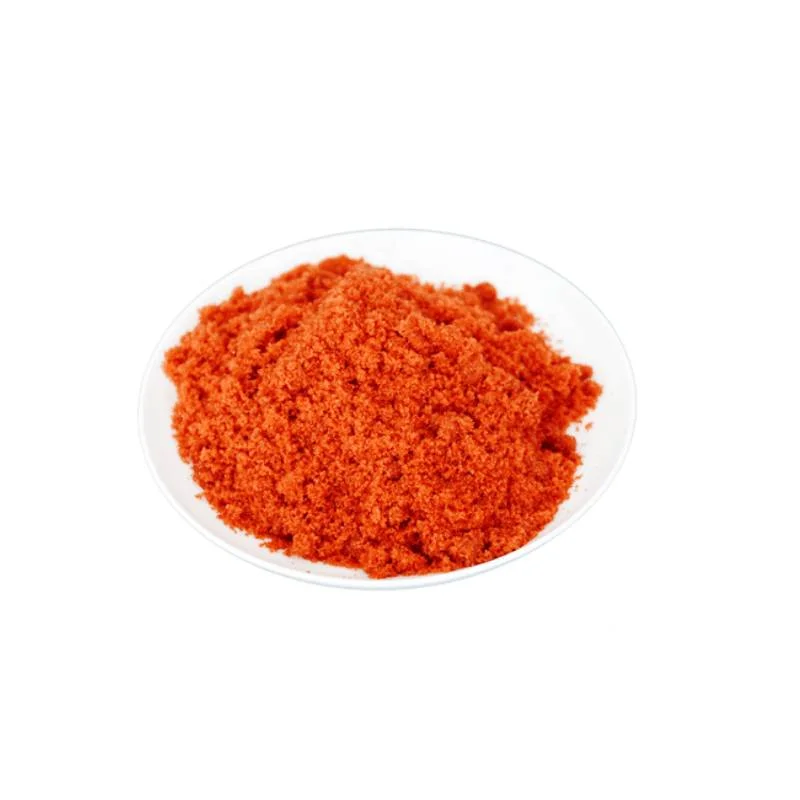
ColorRed-brown
-
CAS No.10026-24-1PurityCo 21%
-
AppearanceRed-brownApplicationcobalt salt, Lithium battery, Electroplating, Catalyst, Pigment and ceramic
-
ClassificationSulphateEINECS No.600-050-9
-
Grade StandardIndustrial GradeMolecular FormulaCoSO4*7H2O
-
Other NamesCobalt Sulfate Heptahydrate, Cobalt sulfate, Sulfuric acid cobalt saltTypeCobalt Sulfate
-
Hs code28332990SolubilityEasily soluble in water
-
pH Value3.5 -5.5 (5% solution)DensityApprox. 1.95 g/cm³
-
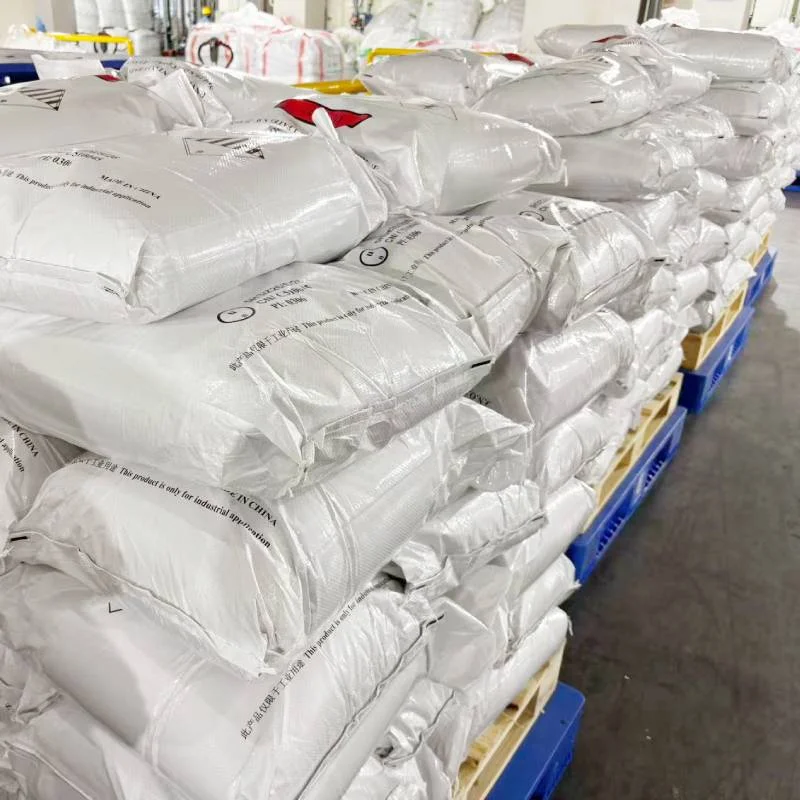
Molecular Weight281.10Packing25kg bag or 1000kg jumbo bag
-
StorageStore in a cool, dry place, away from moistureShelf Life2 Years
An EV cathode production-line enquiry should specify the incoming material requirements for the actual chemistry and process stage. The listed TY-Cobalt Sulfate Heptahydrate model is an industrial red-brown cobalt salt, formula CoSO4*7H2O. Elemental cobalt is stated at 21%.
Set incoming acceptance for the actual cathode line
Share the constituent limits and the measurements that determine whether a sample can enter the project assessment. Request current cobalt and impurity reports for the material supplied. The elemental percentage does not describe whole-salt purity or demonstrate battery-grade qualification.
Review conditioned pH alongside the analytical record
For this material, pH 3.5–5.5 is reported under a 5% solution condition. Ask for the preparation and measurement procedure when comparing reports. That condition belongs to a material test and does not define a cathode-line operating setting.
Connect sample properties with controlled process evidence
Density is stated as approximately 1.95 g/cm³, so confirm the method and retain that qualification. The reported easy water solubility provides no dissolution-time result. Review the physical information needed by the actual line before interpreting a material trial.
- Confirm the heptahydrate identity and current constituent analysis.
- Agree line-specific material and process acceptance criteria.
- Assess measured results for the actual evaluation sample.
Keep technical and handling records with the trial evidence, including the supplied cool, dry storage guidance away from moisture. Electroplating, catalyst, pigment, ceramic and cobalt-salt enquiries require their own qualification before a separate material decision.