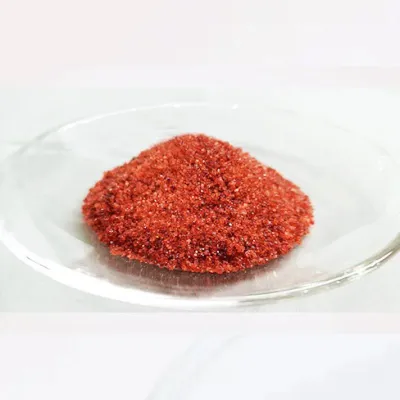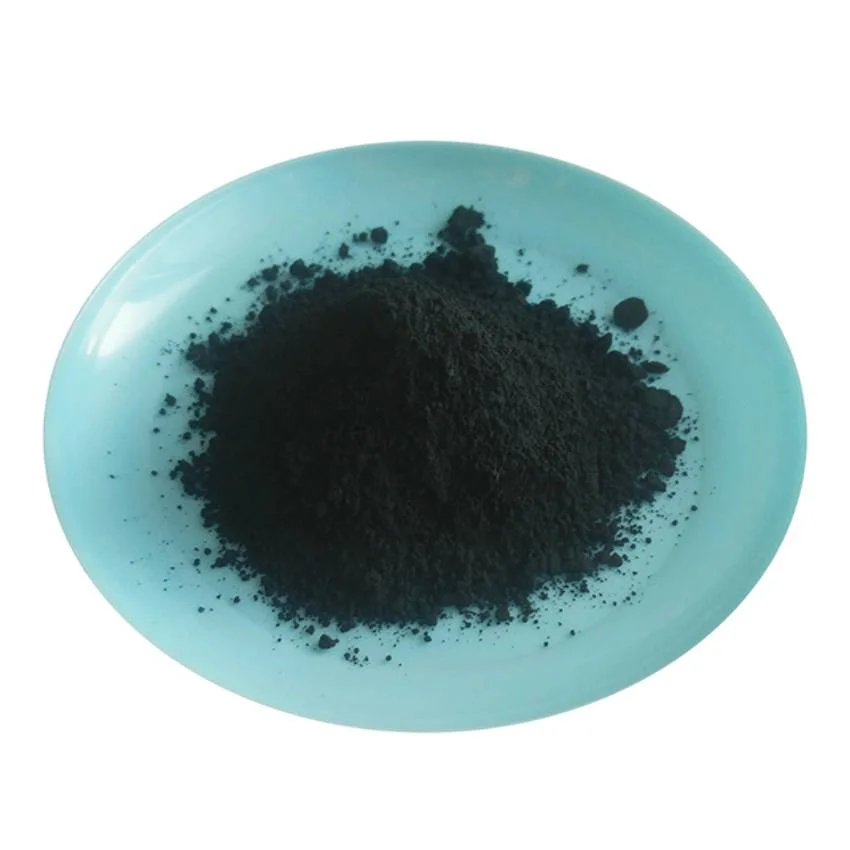
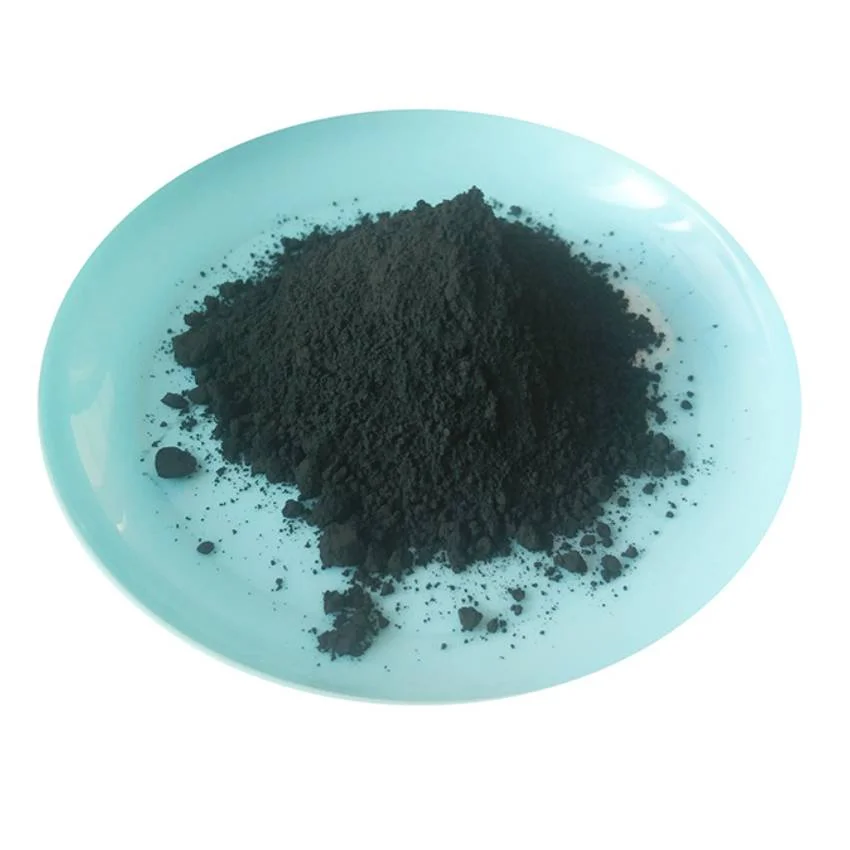
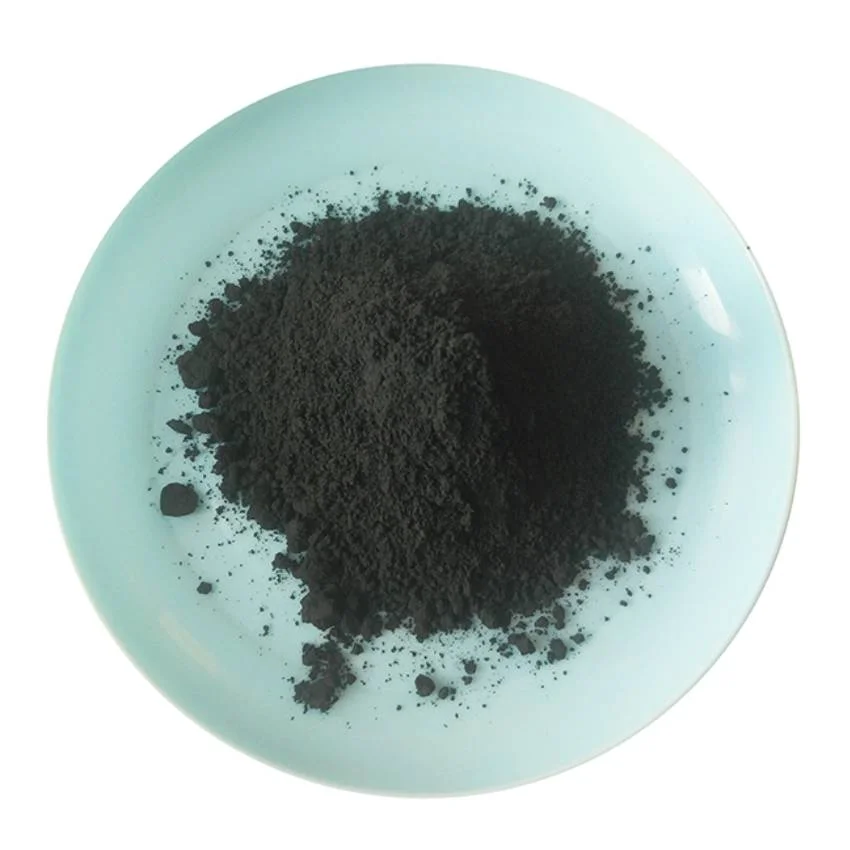
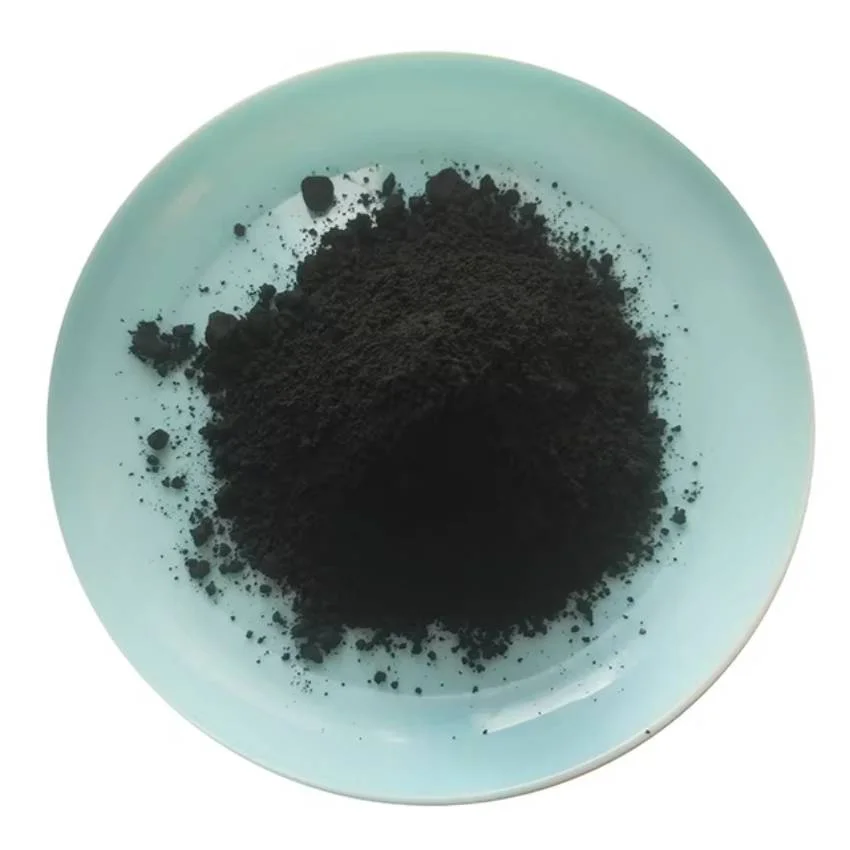
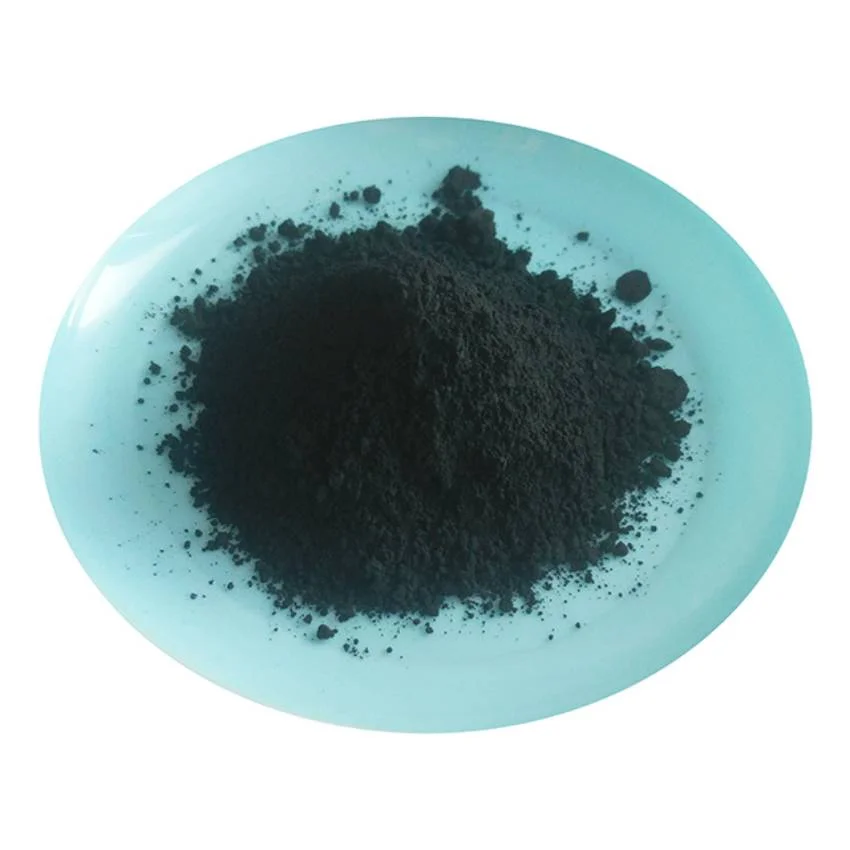
Industrial Cobalt Oxide CoO Black Powder for Battery and Magnetic-Material Qualification, TY-Cobalt Oxide
-
ColorBlackPhysical formPowder
-
CAS No.1307-96-6PurityCo 72-74
-
Model NumberTY-Cobalt OxideAppearanceblack powder
-
Applicationmagnetic materialsClassificationCobalt Oxide
-
EINECS No.215-154-6Grade StandardIndustrial Grade
-
Molecular FormulaCoOOther NamesCobalt Oxide
-
Melting point:1785 °Cdensity:6.45
-
Water Solubility:insolubleHS Code:28220090.00
Battery and magnetic-material enquiries need an actual oxide identity and a clear cobalt-analysis basis before selection. TY-Cobalt Oxide is described as industrial cobalt oxide with stated formula CoO, black-powder appearance and water insolubility.
Confirm the actual phase and cobalt reporting basis
Request current phase and analytical records for the offered body model TY-Cobalt Oxide. The cobalt-content measurement needs explicit units and a reporting basis; a unitless figure should not be treated as a percentage, compound purity or a complete grade specification.
Specify the powder measurements needed by the project
List the individual impurities and physical measurements relevant to the actual material requirement. Black appearance and water insolubility identify stated characteristics, but they do not supply a particle distribution or establish acceptance against the buyer’s powder limits.
- What thermal descriptor is stated?
- The reported melting point is 1785°C, with its method and material report to confirm.
- What does that descriptor leave open?
- It does not establish a process operating temperature or an instruction for preparing battery or magnetic materials.
Judge battery and magnetic uses by separate trial evidence
Battery materials are a title enquiry direction, while magnetic materials are listed in the material data. Each needs relevant qualification against the actual project criteria, without an assumed electrochemical or magnetic performance result.
Request current safety and technical information and appropriate sample evidence that identifies the offered model. Keep the phase record, measured cobalt basis and relevant trial results together, so the decision rests on this actual material rather than an inferred assay or finished-application property.