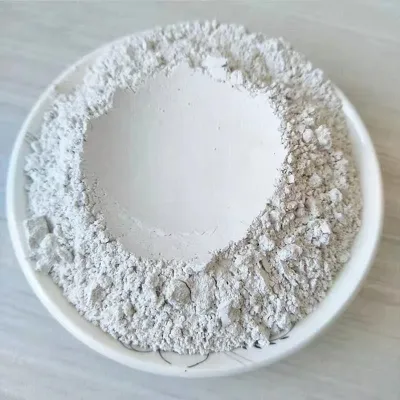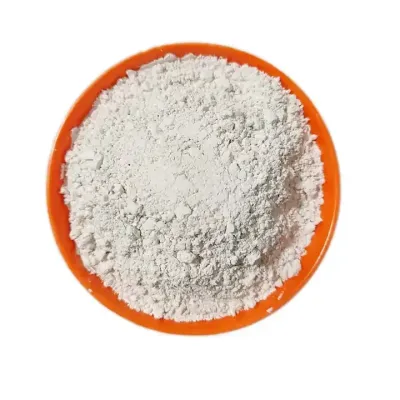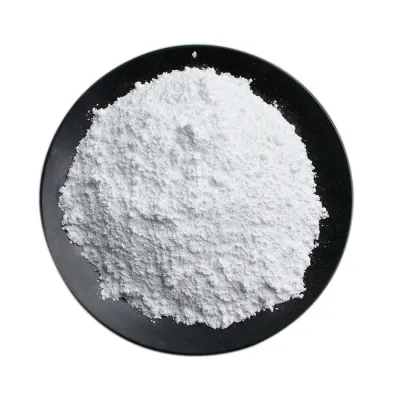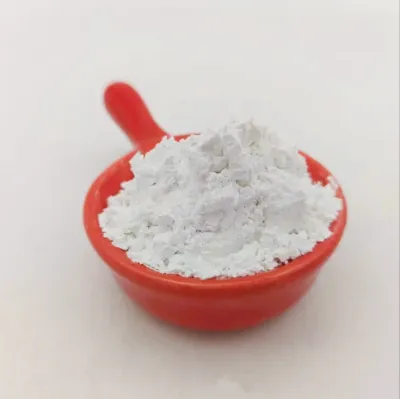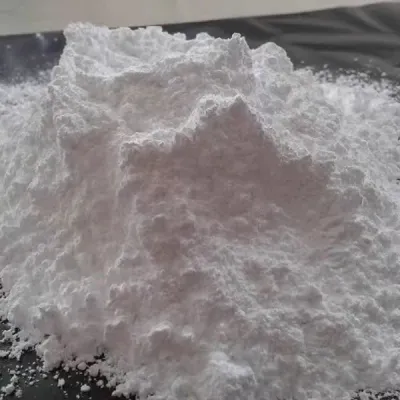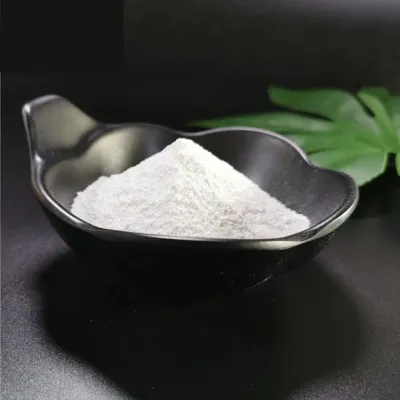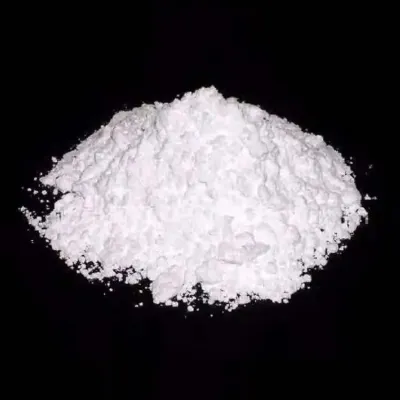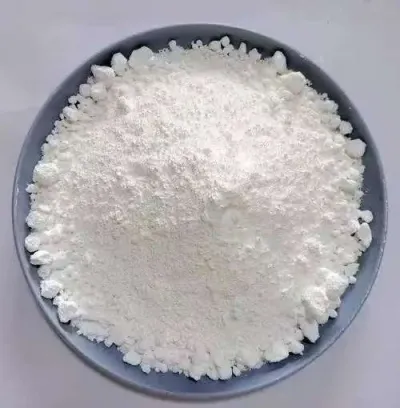
Industrial Heavy Calcium Carbonate 96% CaCO3 White Superfine Powder, 600–3000 Mesh Paint Grade Comparison
-
Particle-size designationMesh designationColorWhite
-
Physical formPowder
-
CAS No.471-34-1Purity96%
-
Appearancewhite superfine powerApplicationPaint, Plastic, Rubber, Paper Making, Building
-
ClassificationCarbonateEINECS No.207-439-9
-
Grade StandardIndustrial GradeMolecular FormulaCaCO3
-
TypeCalcium Carbonate
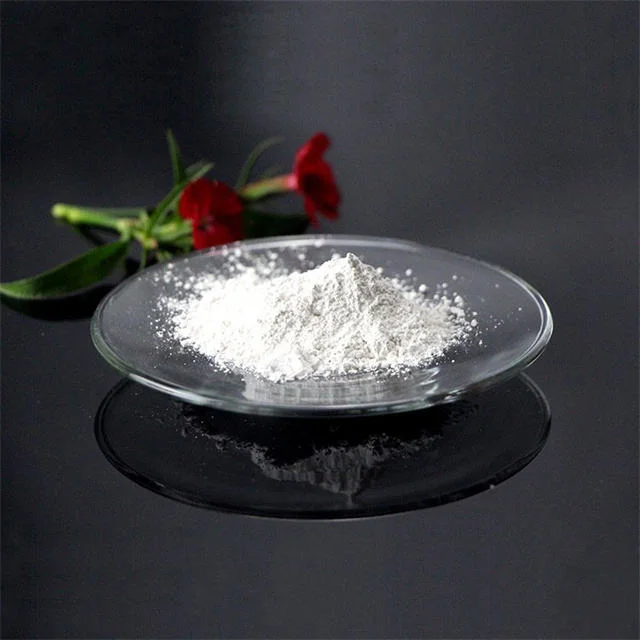
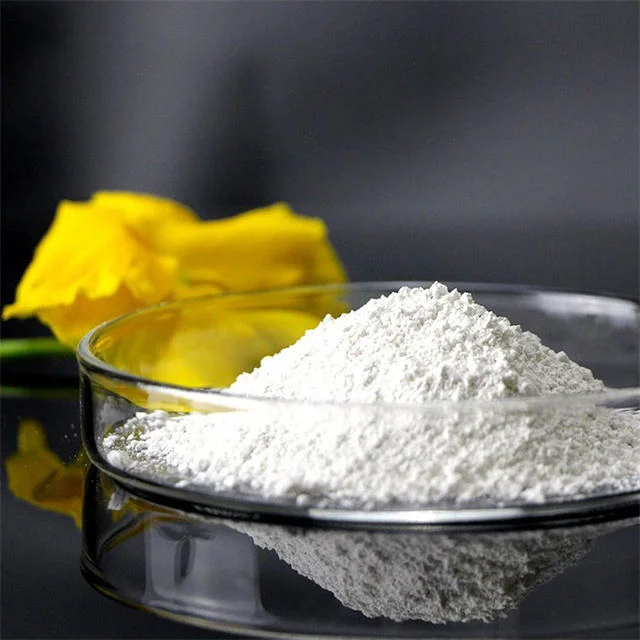
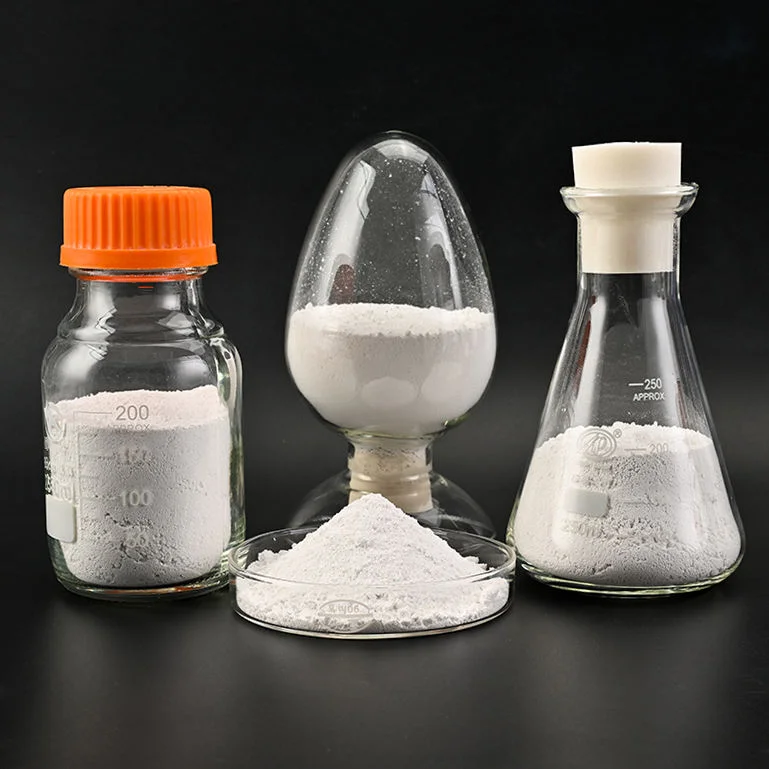
Composition, particle grading and optical properties answer different questions in a heavy-calcium-carbonate comparison. This industrial CaCO3 is described as white superfine powder with stated purity 96%, and the selected model needs evaluation in the intended paint system.
Compare chemical and optical results on their own bases
Request current analysis for the proposed sample, including the impurity limits relevant to acceptance. Obtain measured whiteness and its method independently where numerical optics matter. Neither a purity figure nor white appearance establishes an optical performance advantage.
Identify the model used for particle assessment
The actual choices are 600 Mesh, 800 Mesh, 1250 Mesh, 1500 Mesh, 2500 Mesh, 2800 Mesh and 3000 Mesh. Ask for the selected model's distribution or sieve results and test method. The range is a set of discrete designations rather than a continuous offering or exact micron distribution.
Clarify additional properties where required
Request moisture, oil absorption or treatment evidence when relevant to the formulation. Heavy does not establish a manufacturing route, density or surface treatment.
Use the paint trial to decide suitability
Describe the actual formulation, agree representative conditions and compare observations with its acceptance criteria. The chemical and mesh names do not verify dispersion, coverage, gloss or an addition ratio. Plastic, rubber, paper making and building are further named assessment areas requiring independent evidence. Keep current technical and safety documents with the sample reference and observations so the conclusion remains specific to the material and application evaluated.