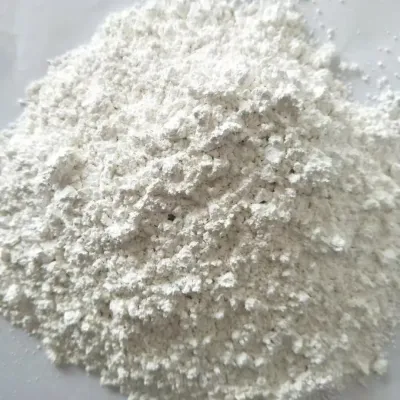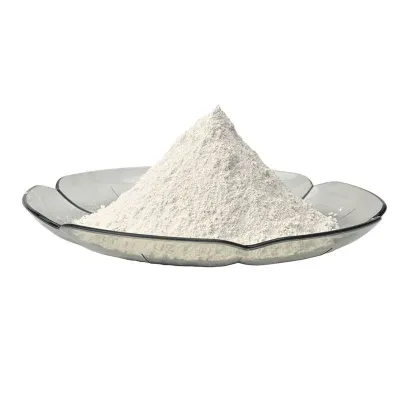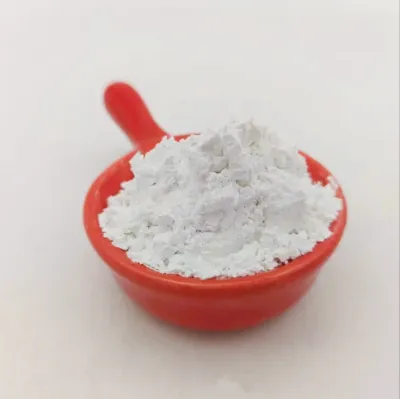
Hydrated Lime Ca(OH)2 Powder, 90-93% Purity, 600+ Mesh for Paint, Putty and Building Coatings
-
Particle-size designationMesh designationColorWhite
-
Physical formPowder
-
CAS No.1305-62-0Purity90-93%
-
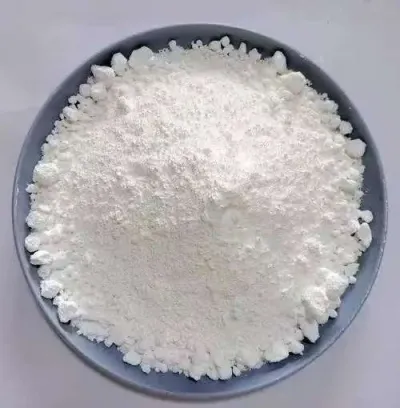
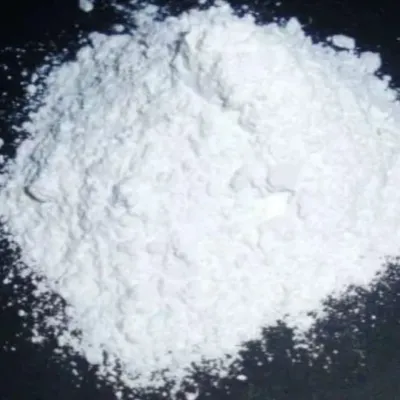
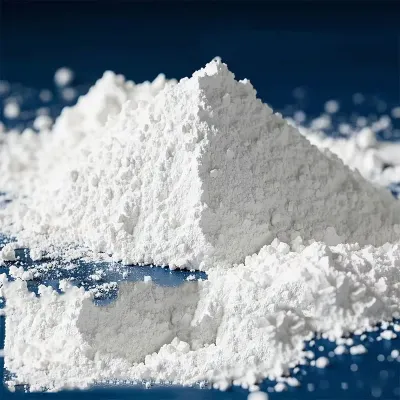
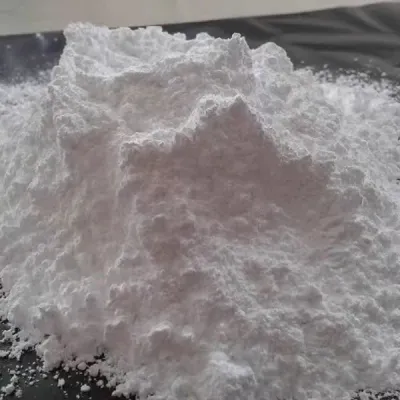
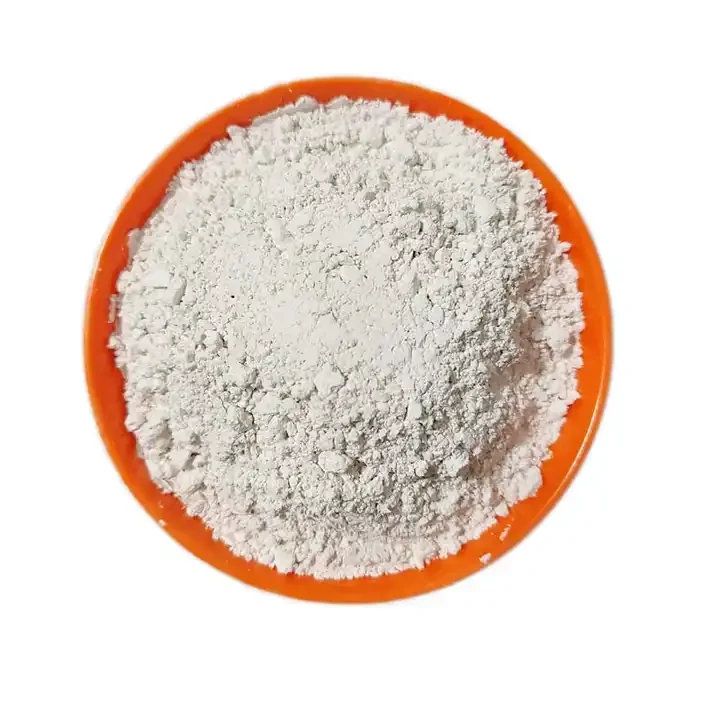
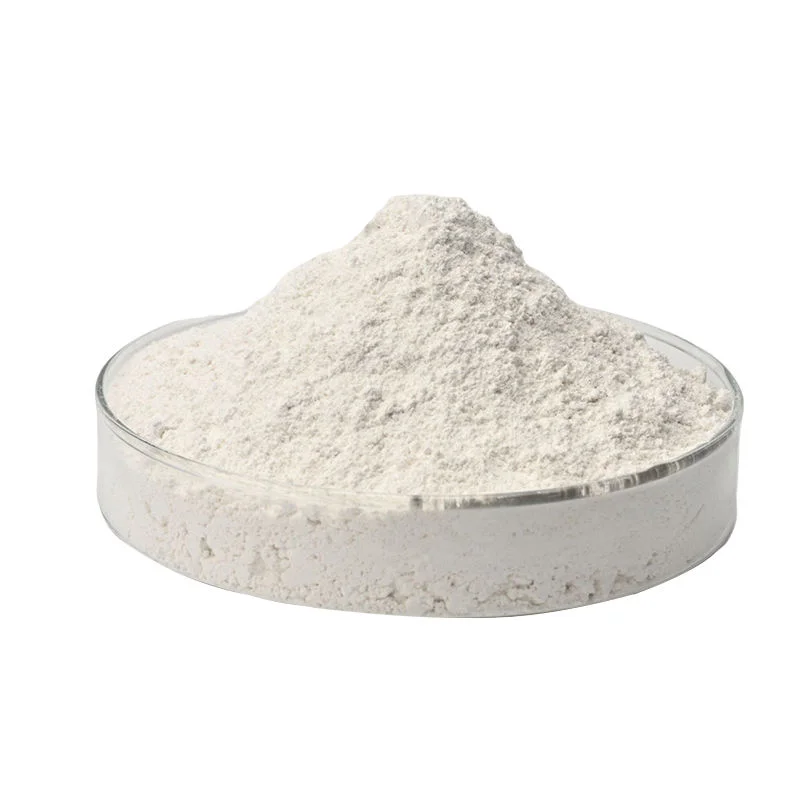
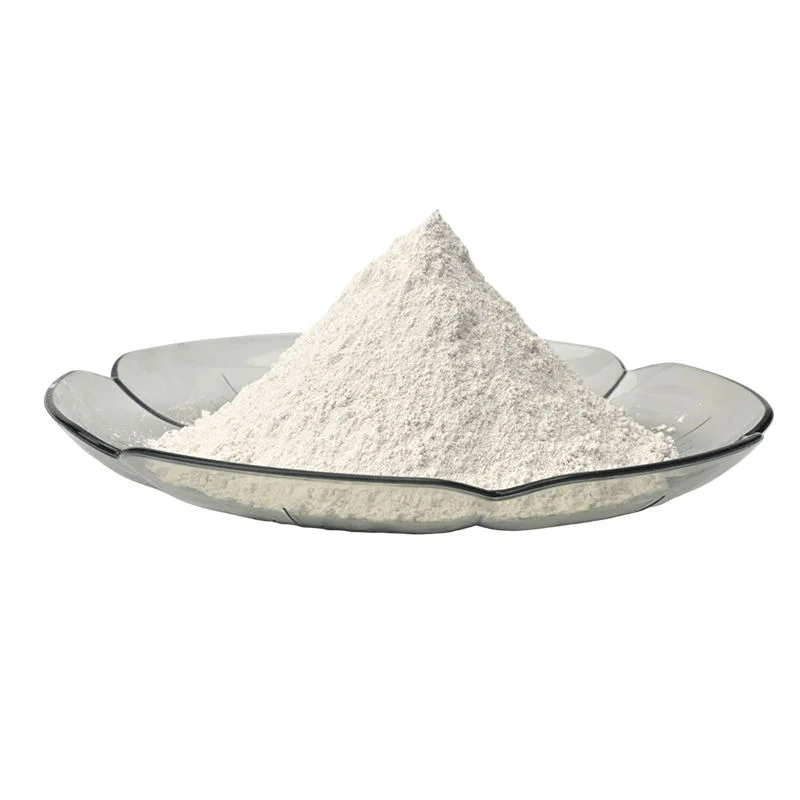
Appearancewhite powderApplicationArchitectural Coatings,Paint & Putty
-
ClassificationCalcium HydroxideEINECS No.215-137-3
-
Grade StandardIndustrial GradeMolecular FormulaCa(OH)2
-
Other Namesslaked lime
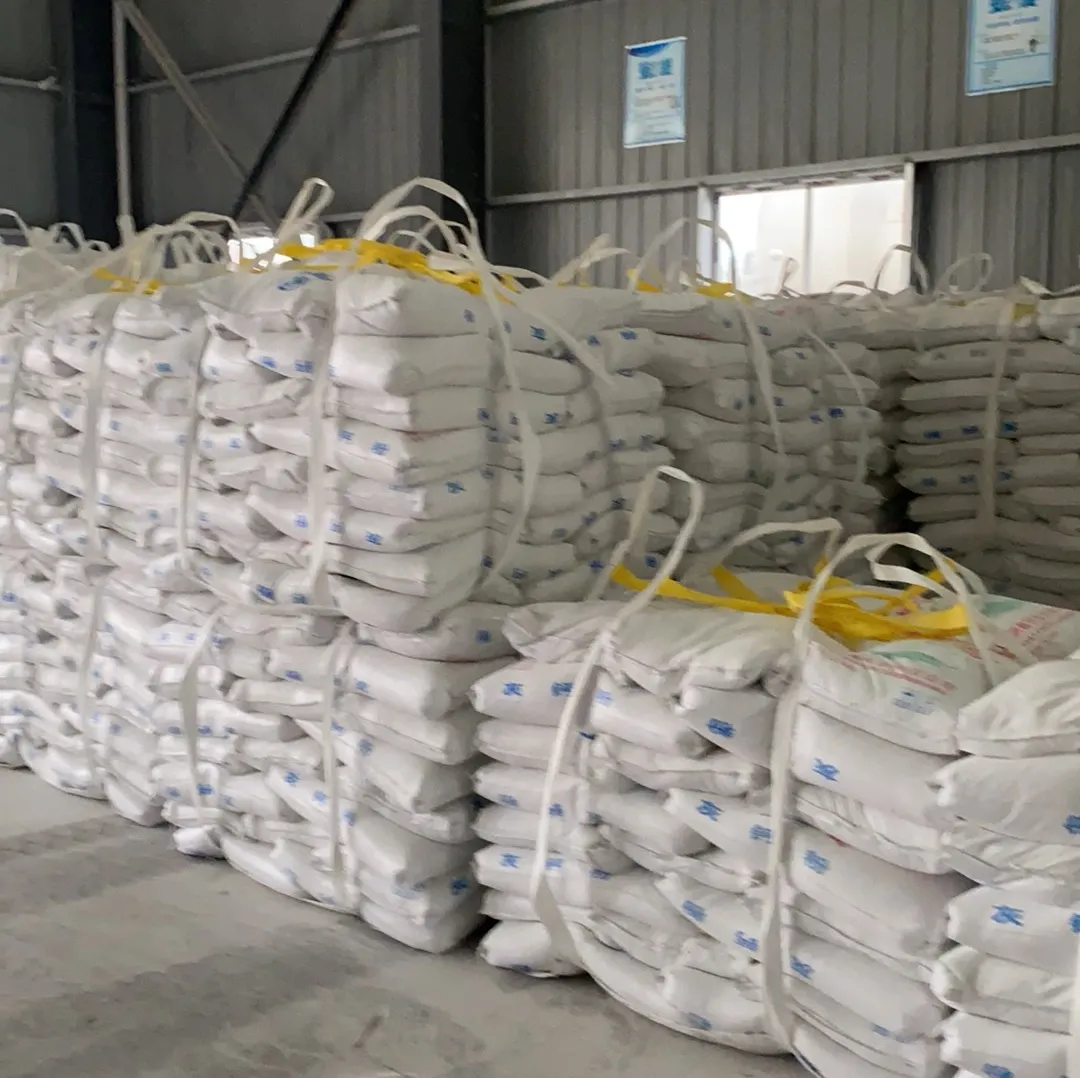
What should a paint or putty formulator ask about a 600+ mesh hydrated lime? For this Ca(OH)2 powder, the starting facts are a 90-93% purity range, white appearance and industrial grade. The intended work includes architectural coatings, so the useful comparison is with the material requirements of that formulation.
What does the plus in 600+ mesh define?
Keep the supplied designation in the enquiry and ask how the offered grade is measured. A particle distribution is more informative than assuming that the plus sign establishes a particular micron size. The proposed sample should have its own technical basis for the fineness description.
Which chemistry and appearance details belong in the trial brief?
Separate the assay question from the coating-performance question. The material description can be organized into a short brief without turning any of those labels into a finished-coating guarantee.
- Chemical identity
- Hydrated lime, calcium hydroxide, Ca(OH)2.
- Assay range
- 90-93%, to be checked against the proposed batch analysis.
- Visible form
- White powder; a colour description rather than a measured whiteness result.
How will the building-coating sample be judged?
Describe the intended paint or putty system and agree on its acceptance tests before making a substitution. Ask for relevant impurity limits alongside the particle report. A controlled trial should decide whether the grade meets the required application and surface criteria.
This approach gives procurement a clear raw-material request and gives the formulator a testable sample brief. It leaves coverage, dispersion and binder compatibility to actual formulation evidence rather than inferring them from high-fineness wording.