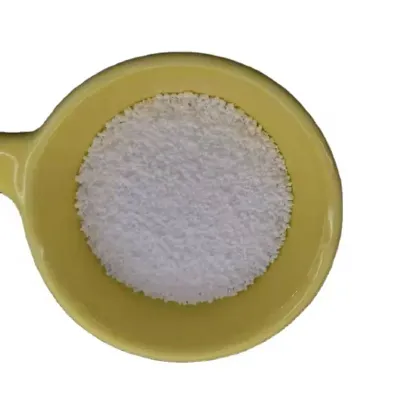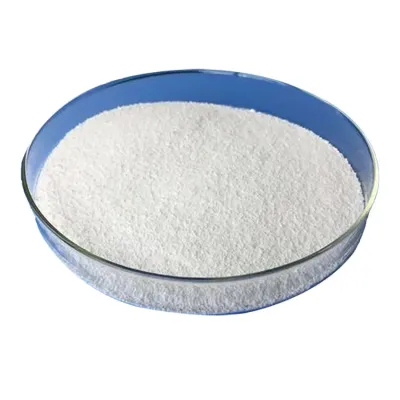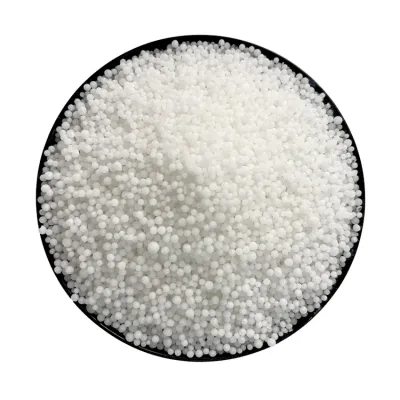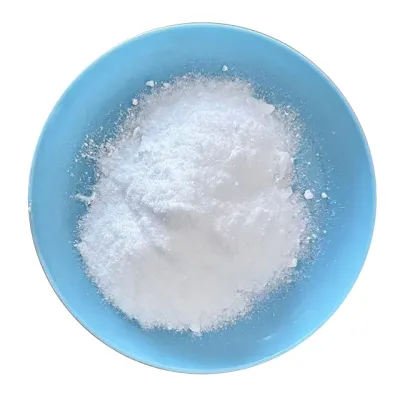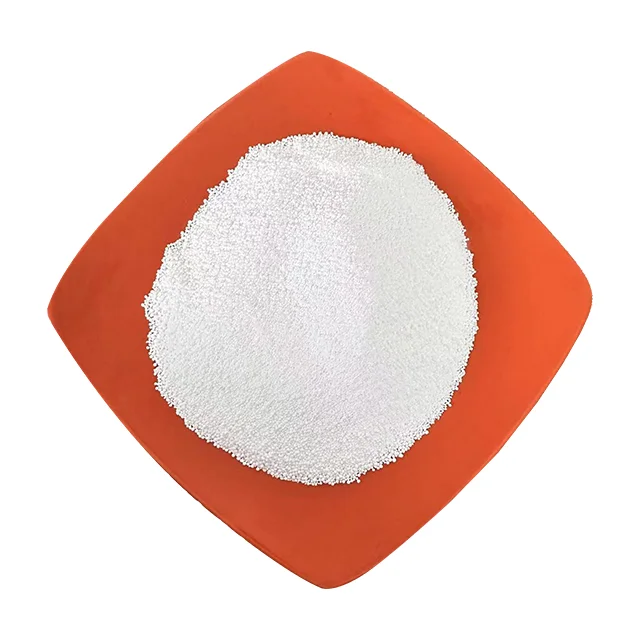
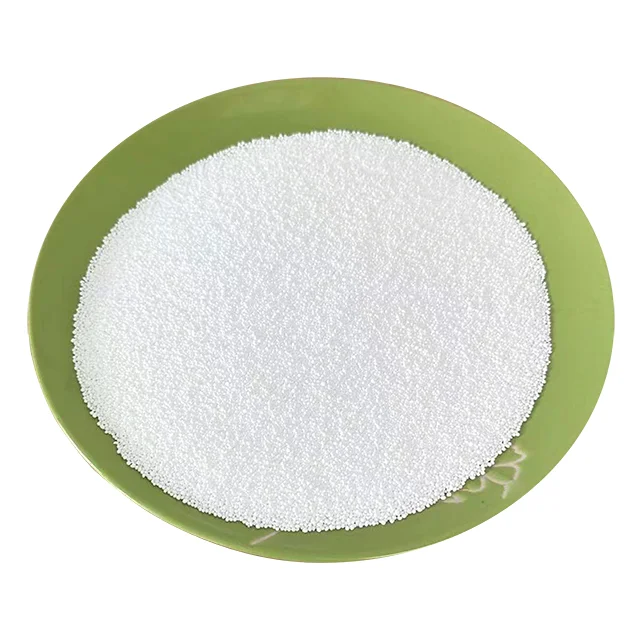
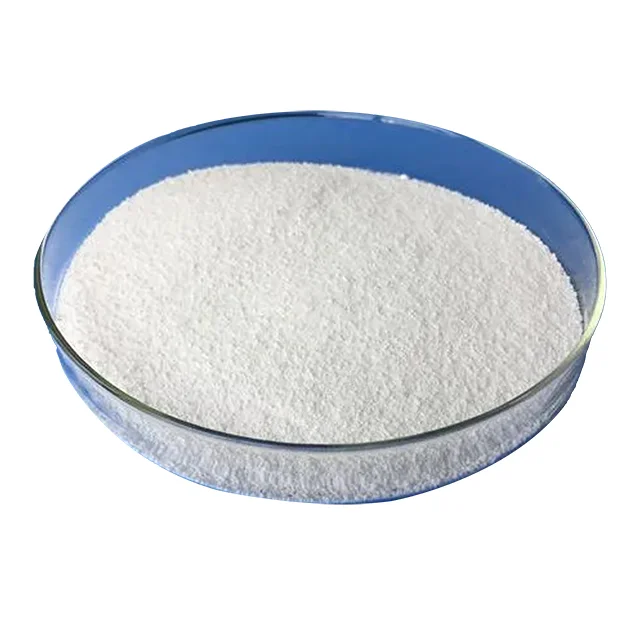
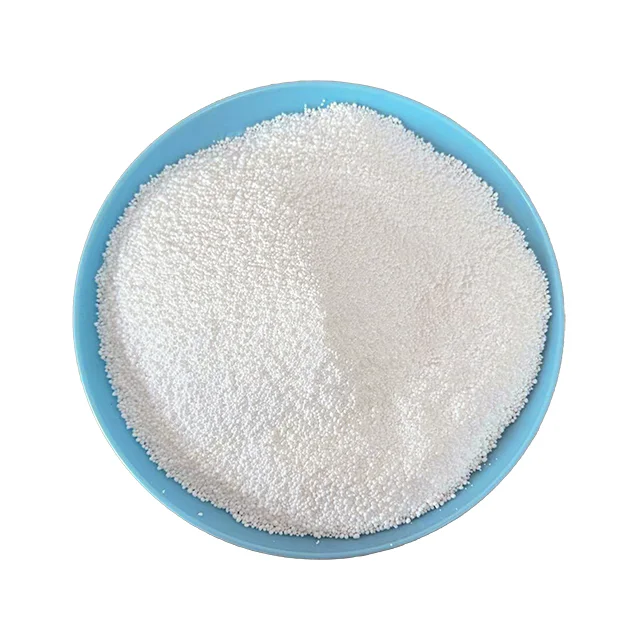
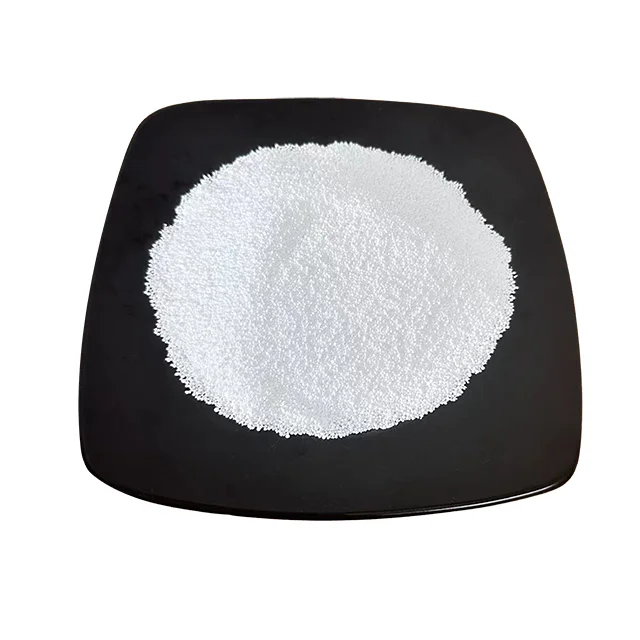
Industrial Potassium Carbonate K2CO3 Powder, 99% Minimum, TY-K2CO3, for Glass, Fertilizer and Detergent Trials
-
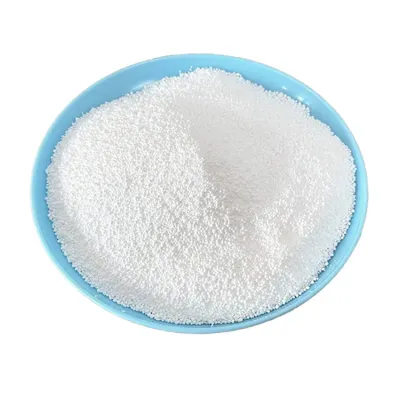
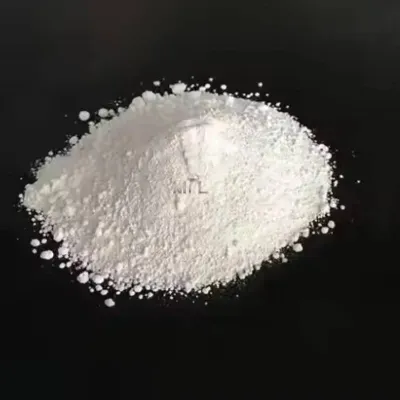
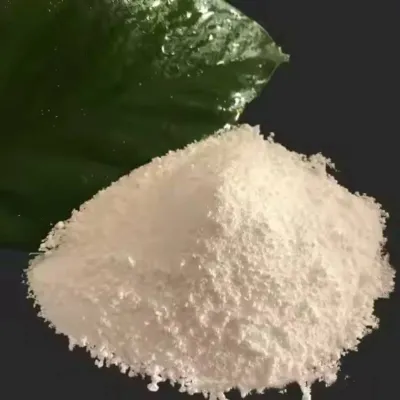
ColorWhitePhysical formPowder
-
CAS No.584-08-7Purity99%
-
AppearanceWhite powderApplicationGlass Manufacturing, Fertilizer, Detergent, Food A
-
ClassificationCarbonateEINECS No.209-529-3
-
Grade StandardIndustrial GradeMolecular FormulaK2CO3
-
Other NamesPotash CarbonateTypePotassium Carbonate, Potassium Carbonate
-
Molecular Weight138.21Density2.43 g/cm³
-
SolubilityEasily Soluble in WaterpH ValueStrongly Alkaline
-
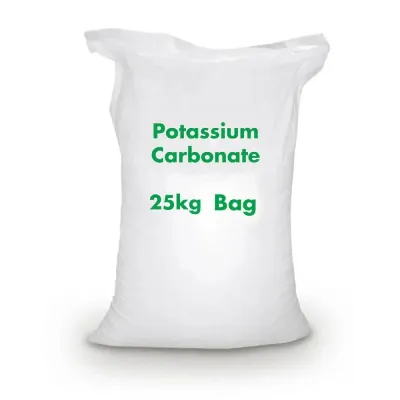
MOQ1 MTPackaging25kg Bag, 1000kg Jumbo Bag
-
Supply Ability5000 MT per MonthSampleAvailable
-
CertificateISO, COA, MSDS, Halal, Kosher (Food Grade)
TY-K2CO3 identifies an actual model for an industrial potassium-carbonate enquiry. The white K2CO3 powder has a declared 99% minimum purity and density of 2.43g/cm³, with glass, fertilizer and detergent directions that need their own material acceptance requirements.
Match the carbonate analysis to the intended project
Request current assay and the individual impurity limits relevant to the chosen application. Glass, fertilizer and detergent requirements should be defined separately, because a shared chemical name and minimum purity do not establish acceptance across all three processes.
Interpret solubility and alkalinity as material descriptors
The powder is described as easily soluble in water and strongly alkaline. Ask for any quantitative measurement and its test conditions when needed, rather than converting a qualitative alkalinity description into a numerical pH, mixing instruction or finished-product benefit.
- Grade questions
- Confirm assay, required impurities, moisture and relevant powder measurements.
- Process question
- Agree the actual formulation or process trial and accepted outcome.
Request the model-specific document package
Samples are available, with terms and current analysis and safety documents to be confirmed for TY-K2CO3. If a certification is required, obtain the applicable document and its scope before treating a label as evidence for this offered grade.
Industrial grade and stated purity do not establish food-grade, Halal or Kosher suitability. An enquiry that names the actual model, intended industrial process and accepted impurity limits helps connect the available sample to a meaningful comparison without an assumed special-grade approval or operating recipe.