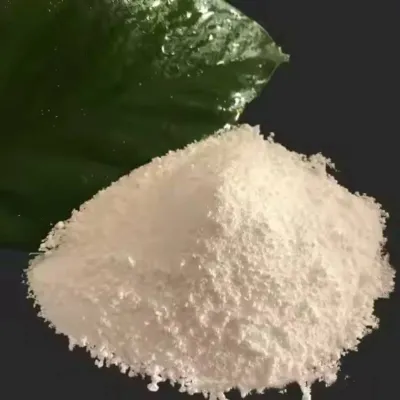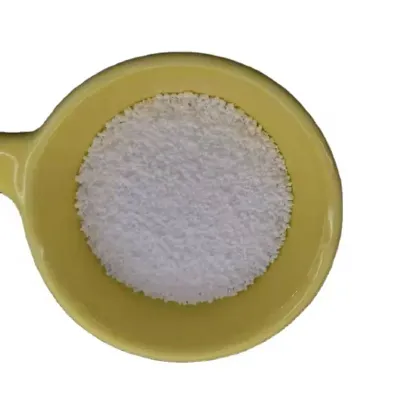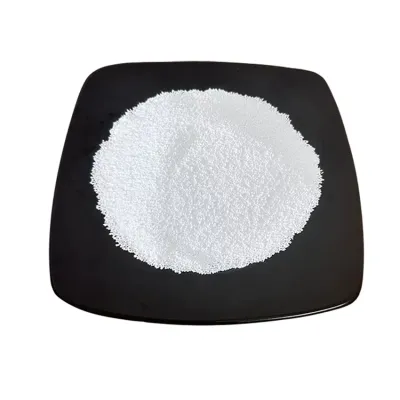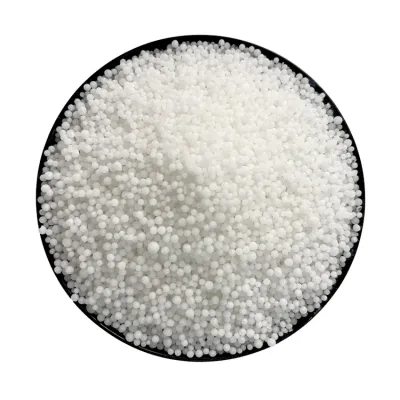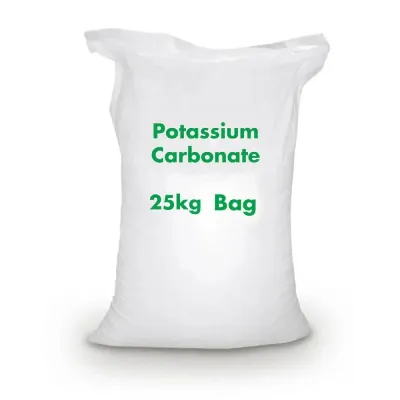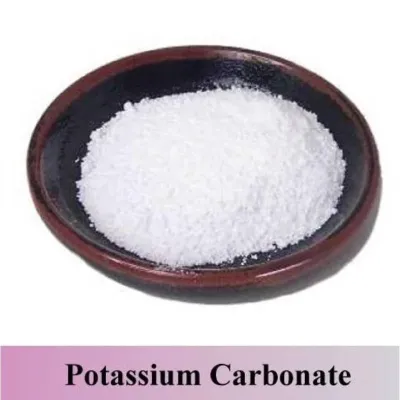
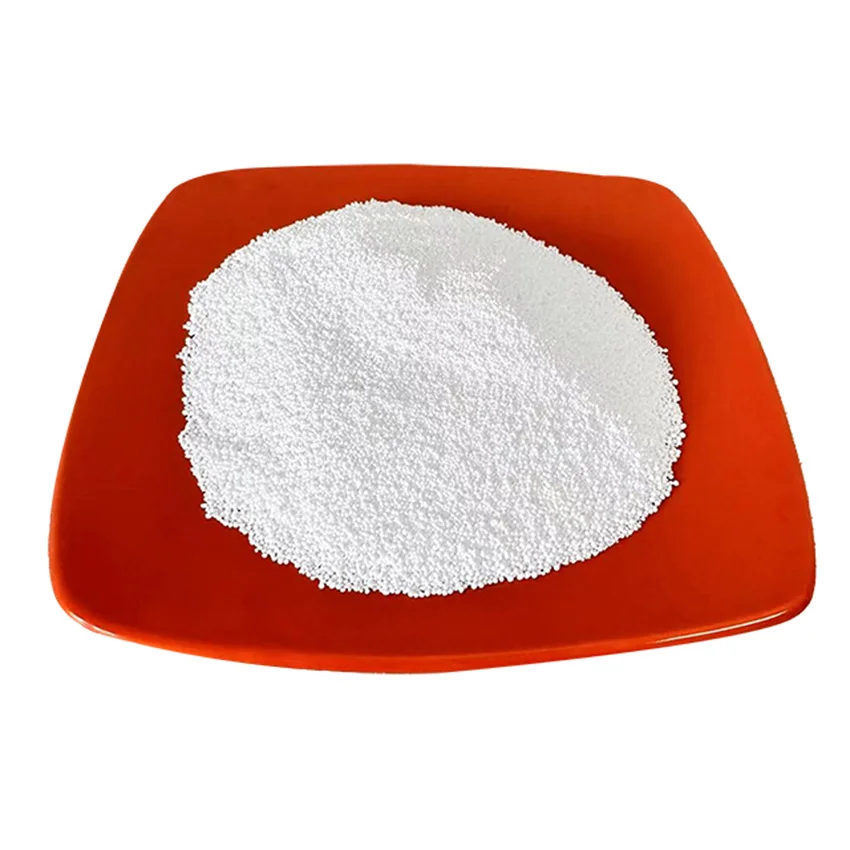
Potassium Carbonate TY-K2CO3, 99% Min, for Glass, Ceramics and Chemical Enquiries
-
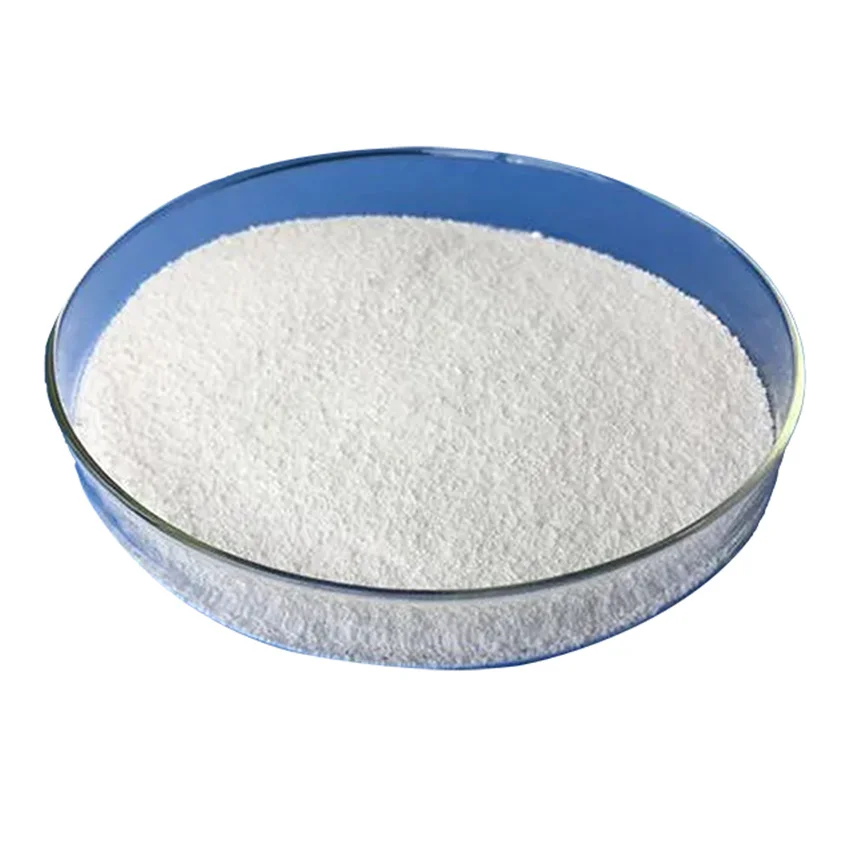
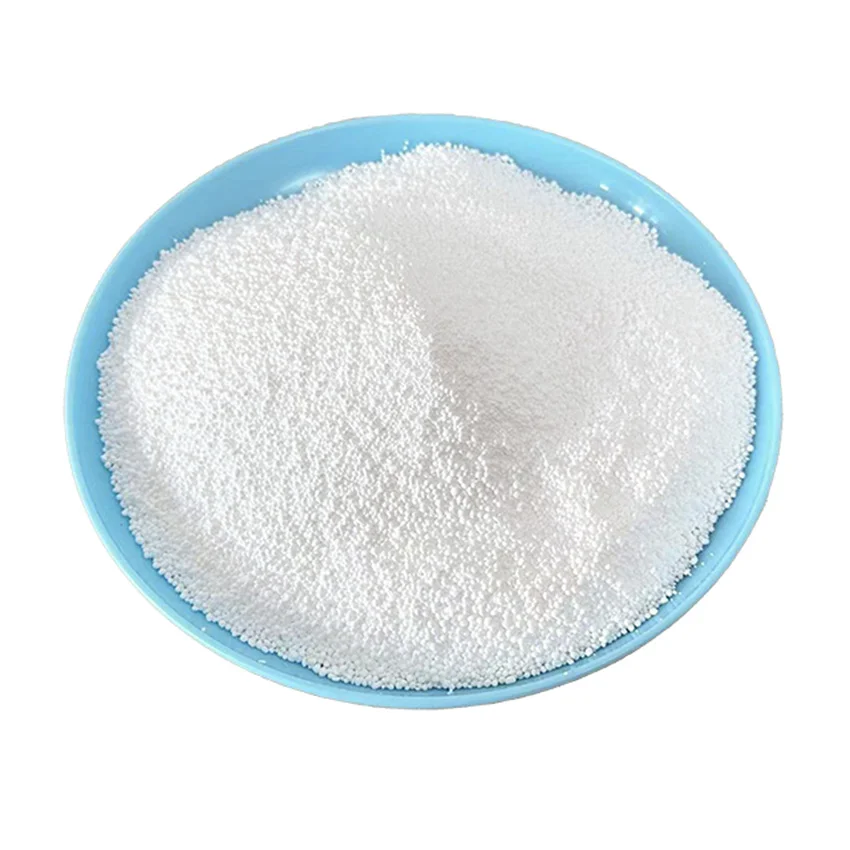
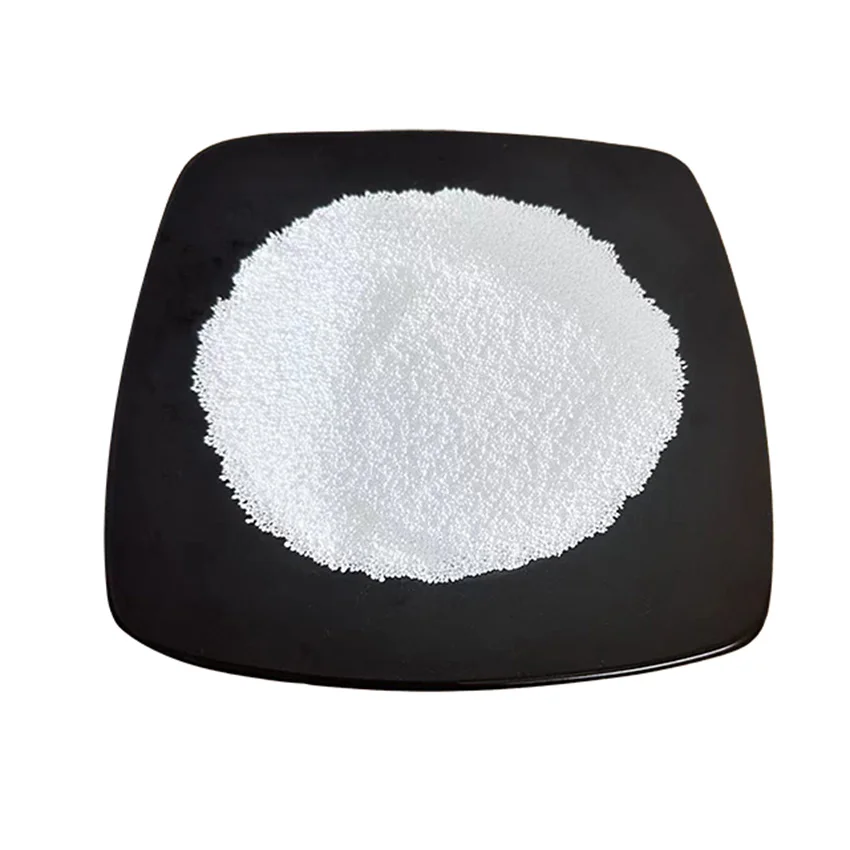
ColorWhitePhysical formPowder
-
CAS No.584-08-7Purity99%
-
AppearanceWhite powderApplicationGlass Manufacturing, Fertilizer, Detergent, Food A
-
ClassificationCarbonateEINECS No.209-529-3
-
Grade StandardIndustrial GradeMolecular FormulaK2CO3
-
Other NamesPotash CarbonateTypePotassium Carbonate, Potassium Carbonate
-
Molecular Weight138.21Density2.43 g/cm³
-
SolubilityEasily Soluble in WaterpH ValueStrongly Alkaline
-
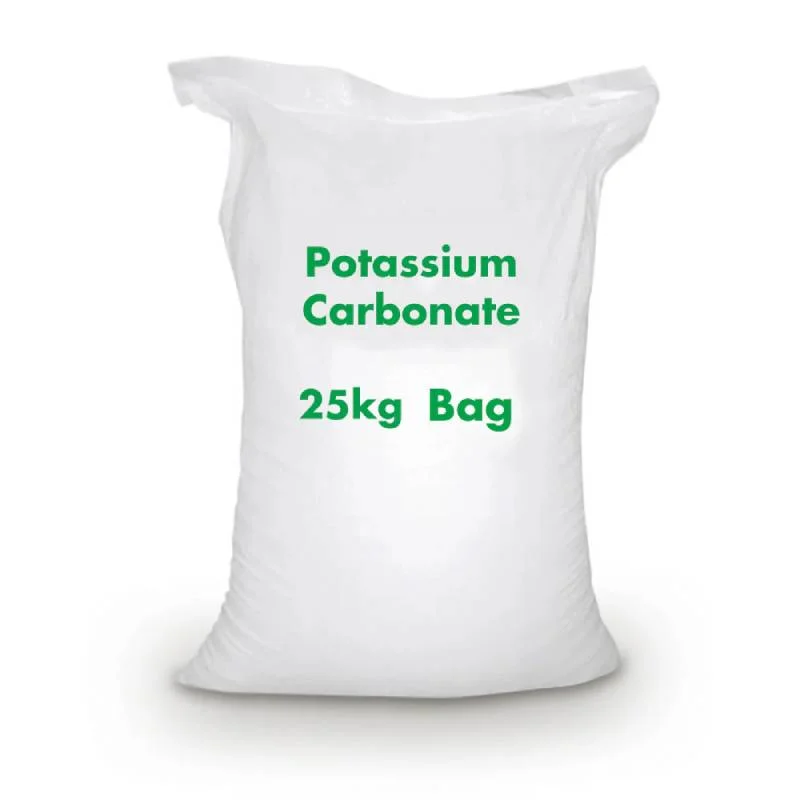
MOQ1 MTPackaging25kg Bag, 1000kg Jumbo Bag
-
Supply Ability5000 MT per MonthSampleAvailable
-
CertificateISO, COA, MSDS, Halal, Kosher (Food Grade)
Glass and ceramic material enquiries should identify the formulation and its constituent requirements before sample selection. TY-K2CO3 is an industrial potassium carbonate white powder with a 99% minimum-purity designation. Its formula is K2CO3.
Specify the glass or ceramic formulation being assessed
Describe the actual project and the measurements used to accept a trial material. Request current constituent analysis relevant to that formulation. A general application label does not establish a melting-process effect, a finished-product property or compatibility with every composition.
Review the minimum-purity designation with the sample analysis
Ask for current identity and purity reports for the actual powder supplied for evaluation. Confirm any moisture and impurity information required by the project and the reporting basis used. Keep these documents with the sample identity throughout the assessment.
Questions behind the stated physical descriptions
How was density measured?
The stated density is 2.43 g/cm³. Request the measurement method before comparison and confirm whether the project needs a separate bulk-density measurement.
What do the solution descriptions establish?
For a glass or ceramic preparation assessment, the current material description provides qualitative strong alkalinity and easy water solubility. Obtain measured solution data if the formulation requires them. Those descriptions supply no numerical pH, dissolution time or addition rate for the project.
Chemical, fertilizer-material and detergent enquiries require their own process criteria. Review the applicable technical and handling documents with controlled trial observations before deciding whether the powder meets the intended formulation requirements.