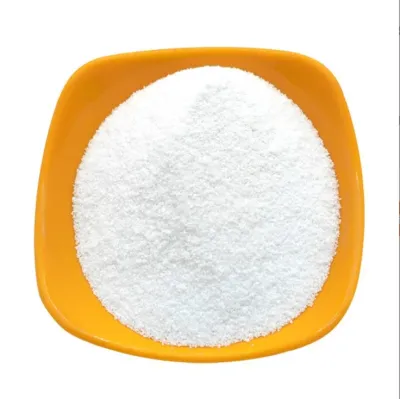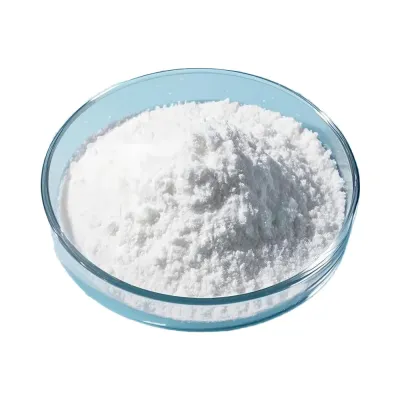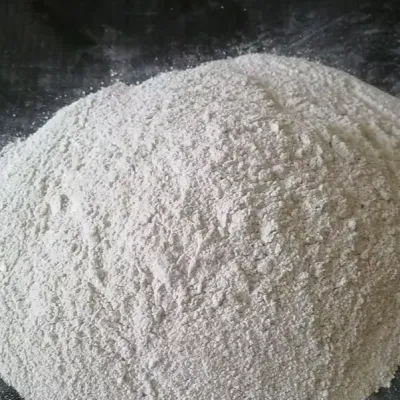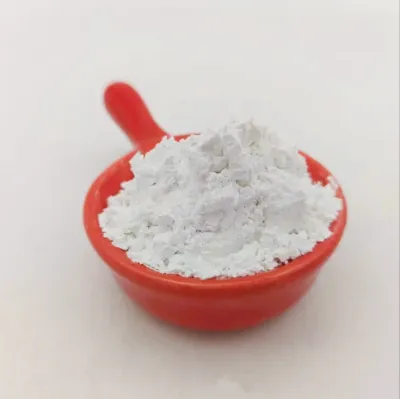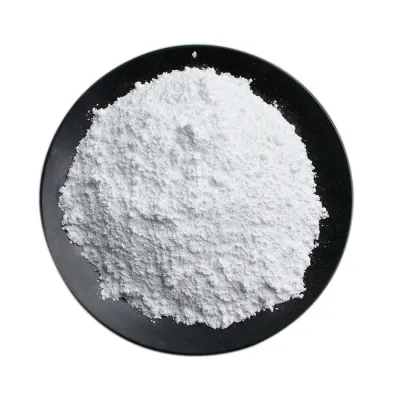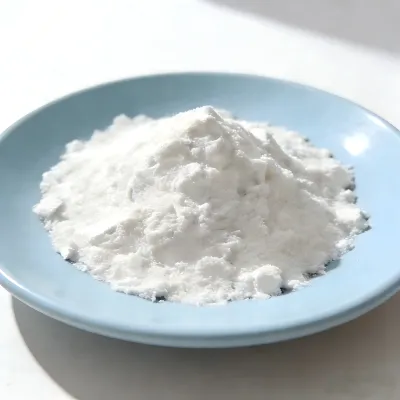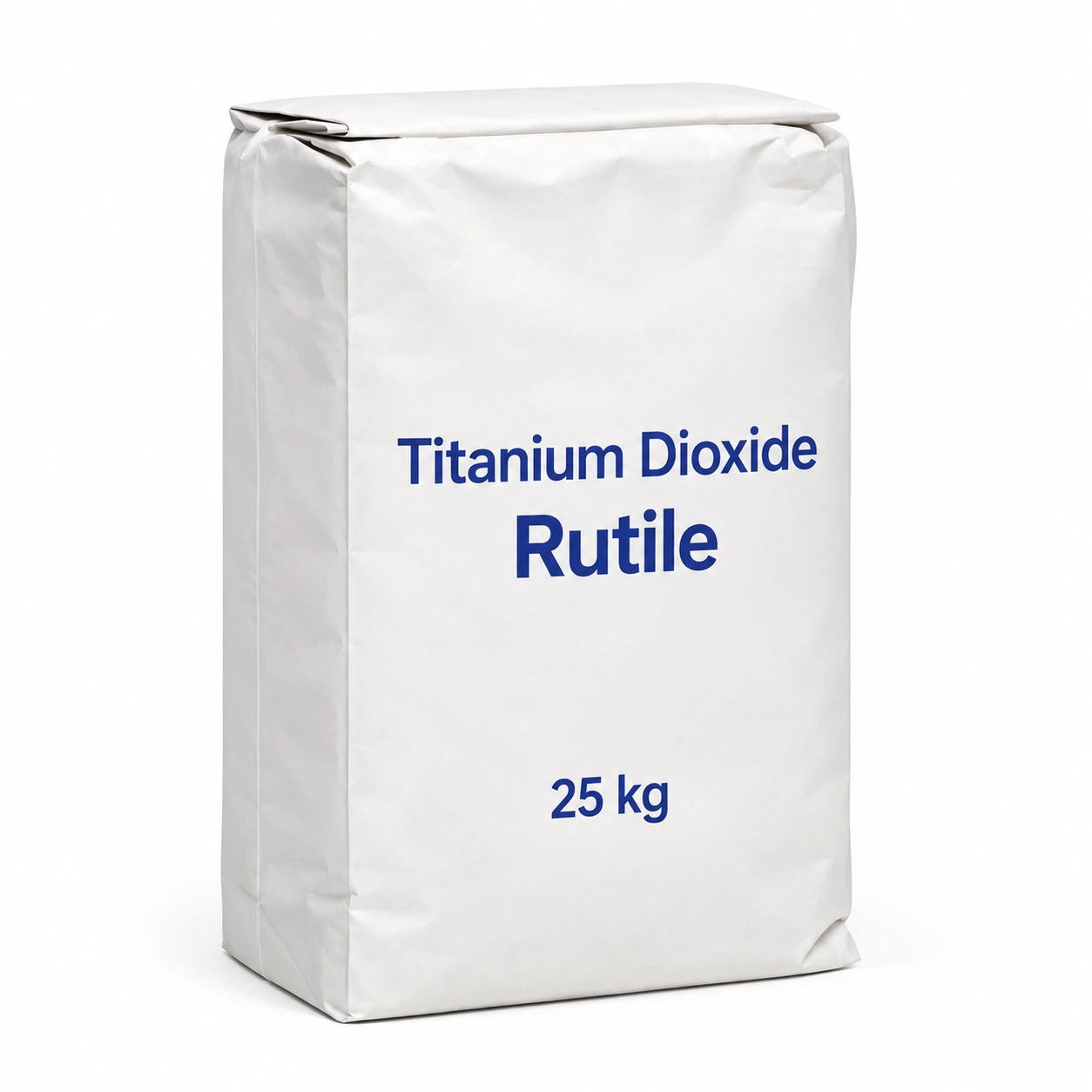
Industrial Rutile Titanium Dioxide TiO2 White Powder, 95% Purity, for Coatings, Printing Ink and Plastics
-
ColorWhitePhysical formPowder
-
CAS No.13463-677Purity95
-
Appearancewhite powderClassificationTitanium Dioxide
-
Grade StandardIndustrial GradeMolecular FormulaTiO2
-
Other NamesTitanium dioxideProduct nameTitanium Dioxide TiO2
-
UsagePaint Coatings Printing Ink.plasticKeywordsTitanium Oxide Powder
-
ColorWhite ColorGradeIndustrail Grade
-
Package25kg/bagMOQ1 Ton
-
CAS13436-67-7
Before comparing how a rutile pigment behaves, confirm which chemical and powder specification applies to the offered material. This industrial white titanium dioxide has a declared 95% purity for paint, coatings, printing ink and plastics evaluation.
Establish the current rutile grade documents
Request chemical identification and an assay report tied to the actual offered powder. Use the rutile designation and accepted purity limits to frame the comparison, without treating them as a complete description of every pigment property.
Specify the missing particle and treatment data
Obtain a unit-defined particle distribution, its measurement method and any surface treatment information. Ask for measured whiteness with the relevant test conditions, so the technical discussion is based on defined powder properties rather than white appearance alone.
- Confirm identity and the chemical acceptance specification.
- Review particle, treatment and optical measurements.
- Set the actual binder or polymer trial criteria.
Decide optical performance in the formulation
Measure hiding power, colour and dispersion in the intended coating, ink or plastic system. A rutile name and 95% assay do not establish those results, and any weathering or durability requirement needs relevant evidence of its own.
Include the intended process and requested grade documents in the enquiry. A confirmed material identity followed by a matched optical trial provides a practical evaluation route without an invented particle size or pigment-performance promise.