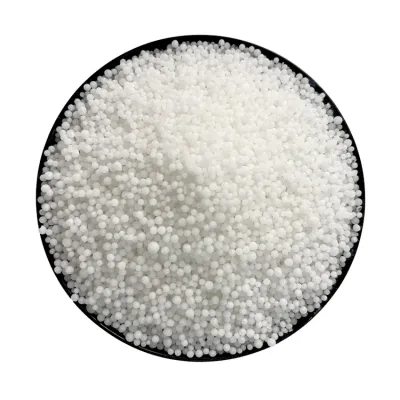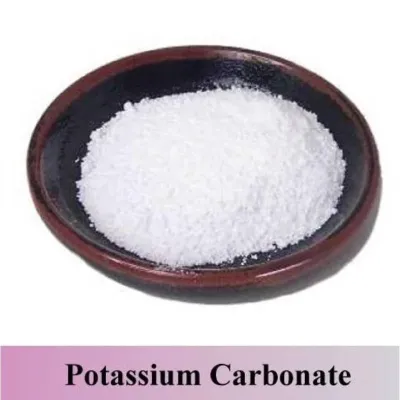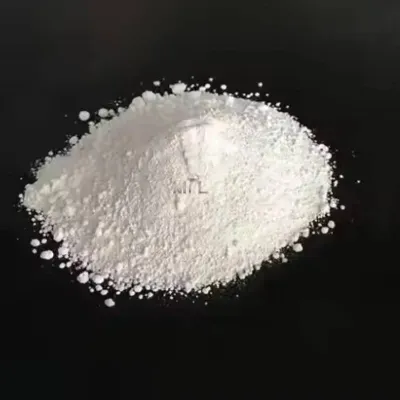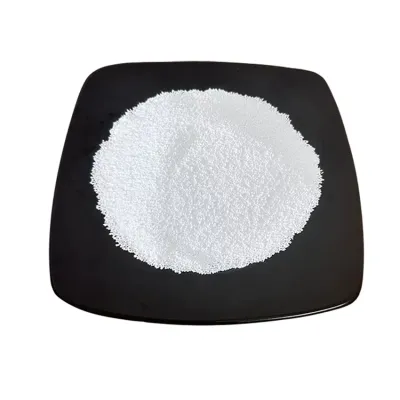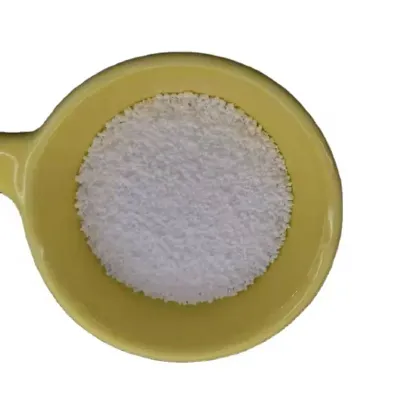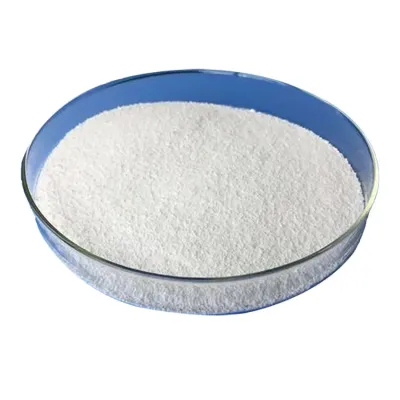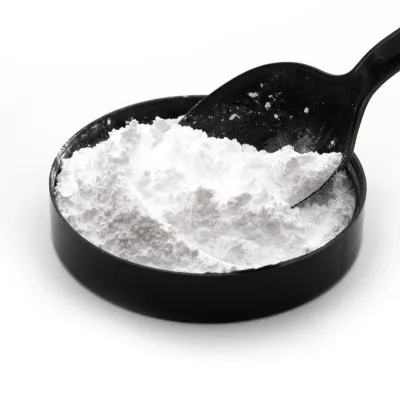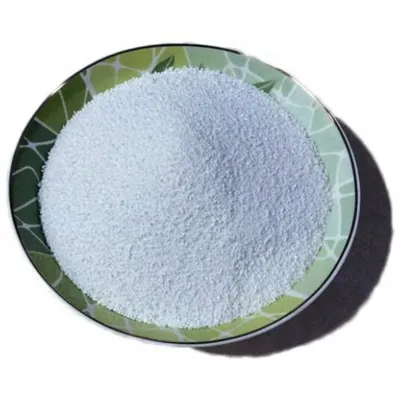
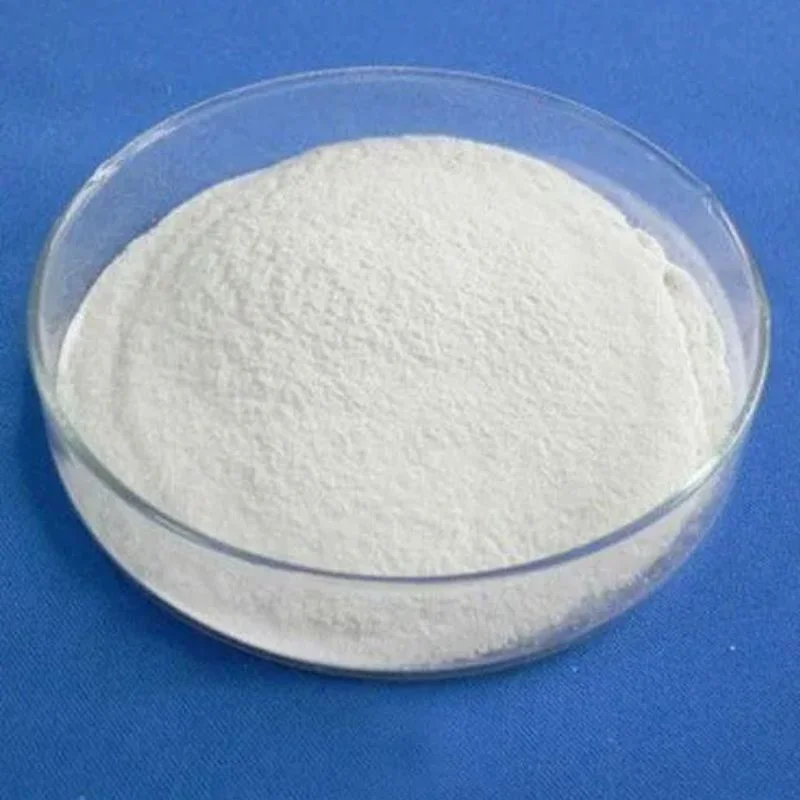
Industrial Sodium Acetate Anhydrous White Powder, 99% Purity, TY-Sodium Acetate, for Material Qualification
-
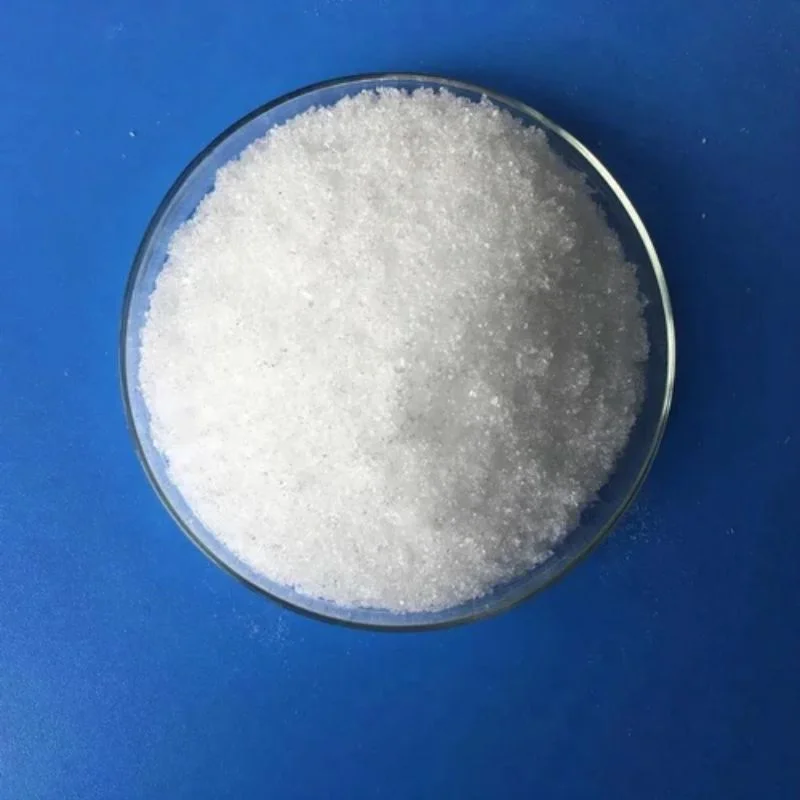
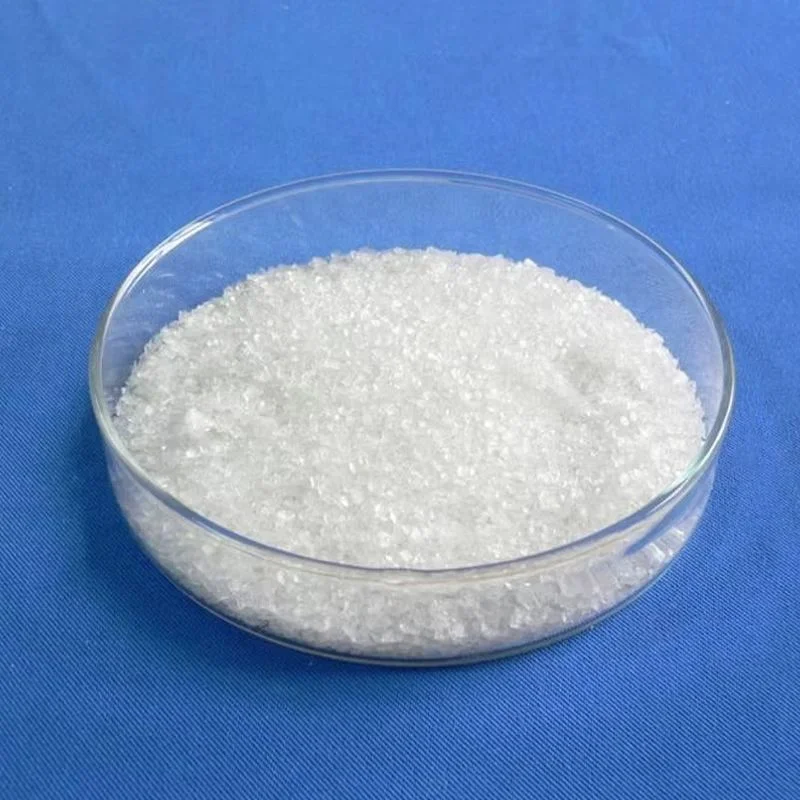
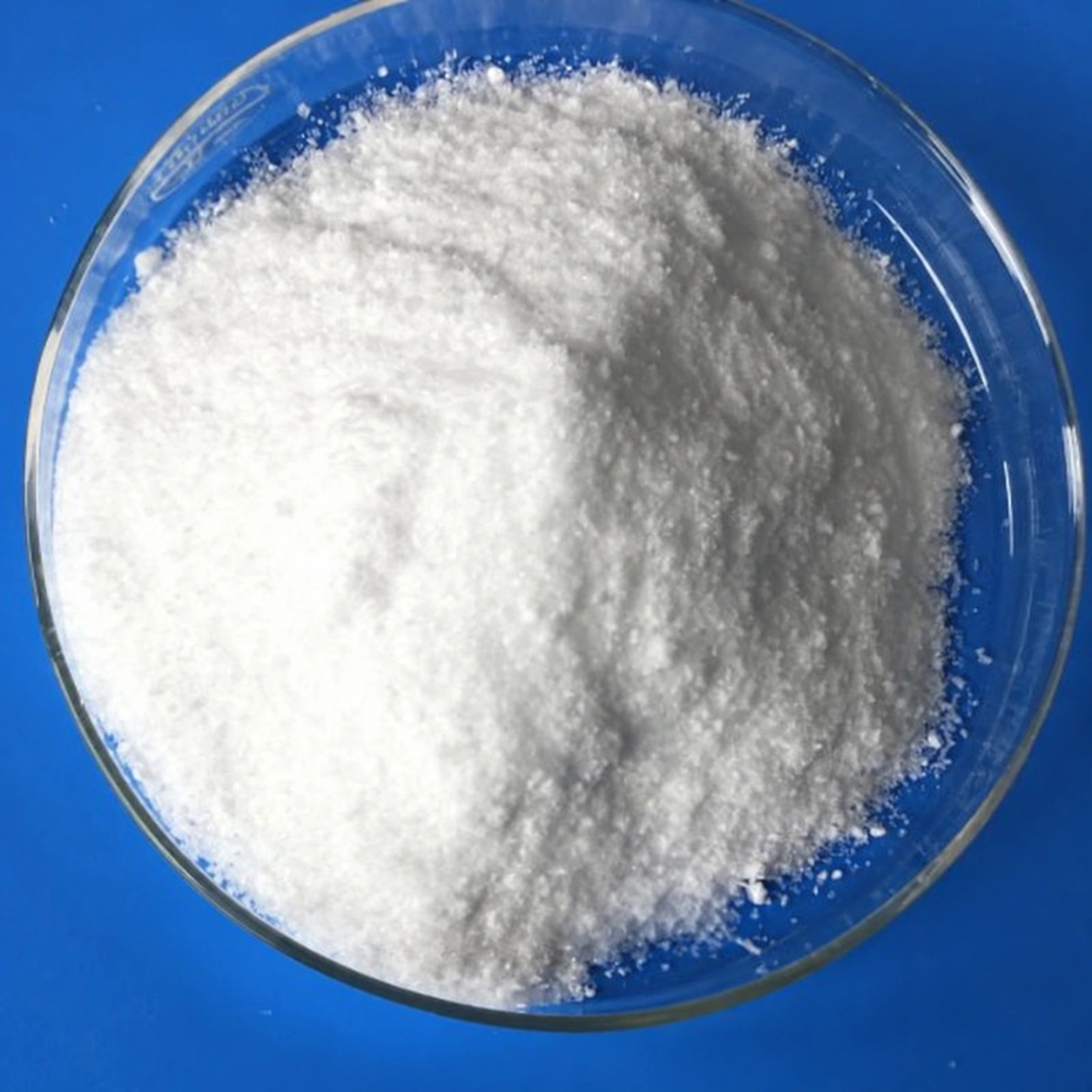
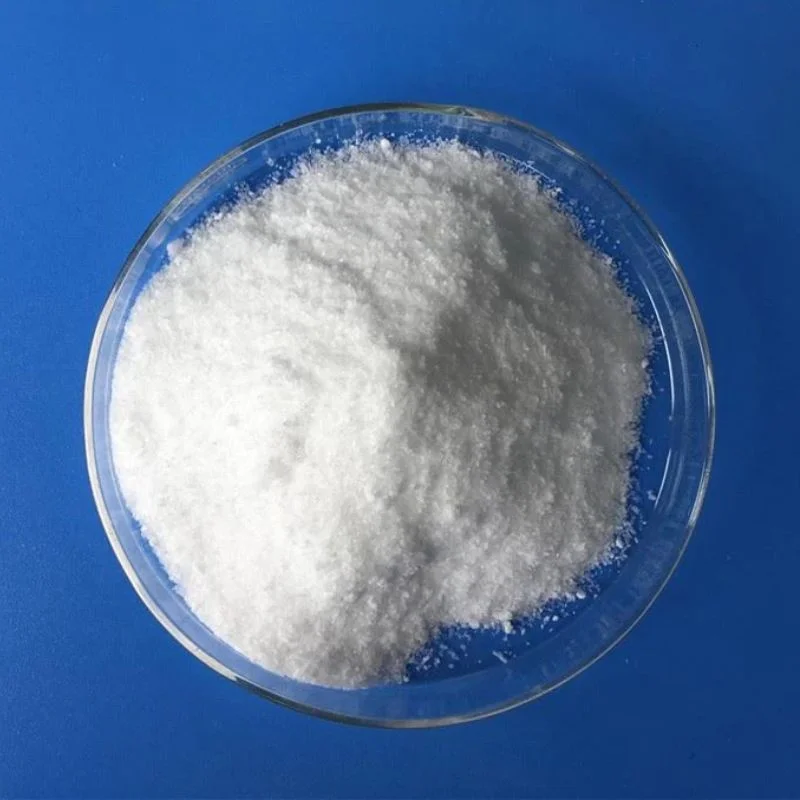
ColorWhitePhysical formCrystalline , Powder
-
CAS No.127-09-3Purity99%
-
AppearanceWhite crystalApplicationWater Treatment, Food Additives, Textile Dyeing, P
-
Intended useIndustrial UseEINECS No.204-823-8
-
Molecular FormulaCH3COONaOther NamesAnhydrous Sodium Acetate
-
TypeOtherProduct NameSodium Acetate Anhydrous
-
Molecular Weight82.03Melting Point324°C
-
Density1.53 g/cm³SolubilityEasily Soluble in Water
-
MOQ1 MTPackaging25kg Bag, 500kg Bag, 1000kg Jumbo Bag
-
Supply Ability3000 MT per MonthSampleAvailable
-
CertificateCOA, MSDS, TDS, ISO
A documented grade comparison should connect the offered sodium-acetate model to current analysis and the actual application brief. TY-Sodium Acetate is industrial anhydrous CH3COONa, described as white crystals with 99% purity, density of 1.53g/cm³ and easy water solubility.
Request reports that identify the offered model
Ask for current assay, moisture and individual impurity results linked to TY-Sodium Acetate. The model name identifies the enquiry material, while the accepted chemical and powder limits should be stated explicitly before deciding that a sample meets the project.
Match the actual sample with physical evidence
Confirm the supplied form and any relevant particle measurements using clearly identified methods. The stated melting point is 324°C, with its report to confirm; this descriptor and the density do not provide a process operating temperature or manufacturing instruction.
- Name the actual model and required grade measurements.
- Review current analysis and method-defined physical reports.
- Compare the sample with the application’s accepted qualification criteria.
Define the application acceptance independently
Water treatment and textile dyeing are stated material directions, each requiring a relevant process brief. A chemical identity and purity figure do not establish compatibility or performance in every application, so the intended use needs actual qualification evidence.
A sample is available for enquiry, subject to agreed terms. Keep its model reference with the current safety, technical and analysis records, and request the relevant ISO scope where required. These records should answer the buyer’s specific qualification criteria; a food-grade requirement would need its own evidence rather than an inference from the industrial assay.