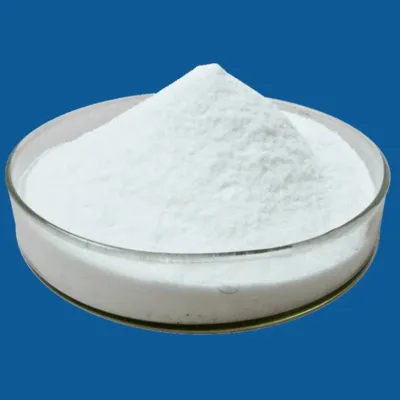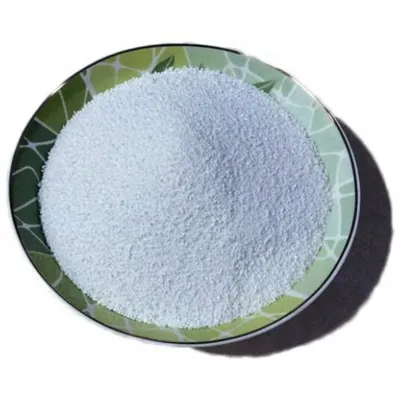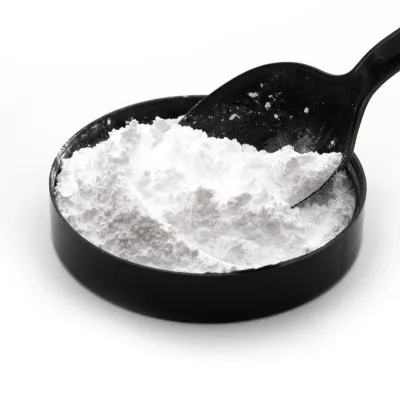
Industrial Sulfamic Acid Crystal Powder, 99.5%, for Metal Cleaning and Pickling Enquiries
-
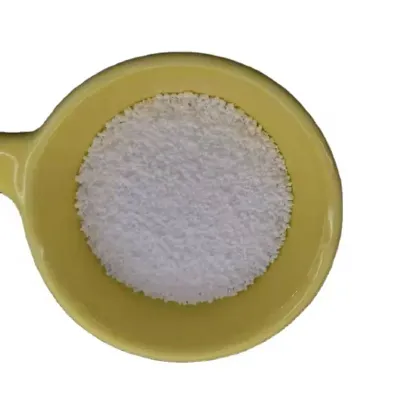
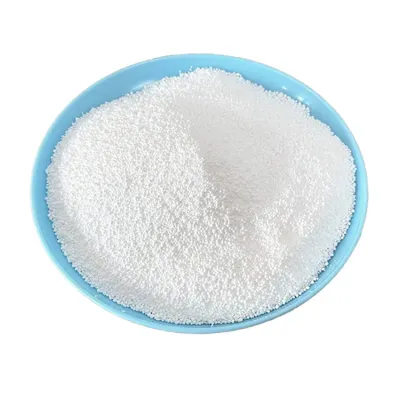
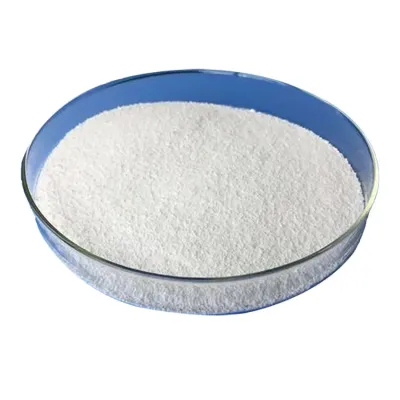
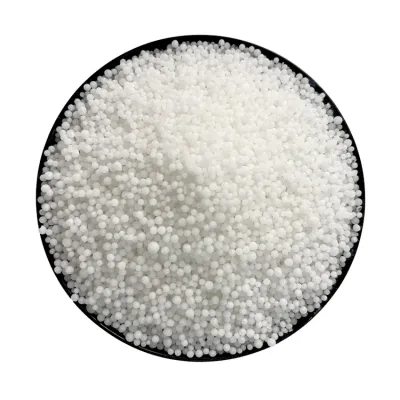
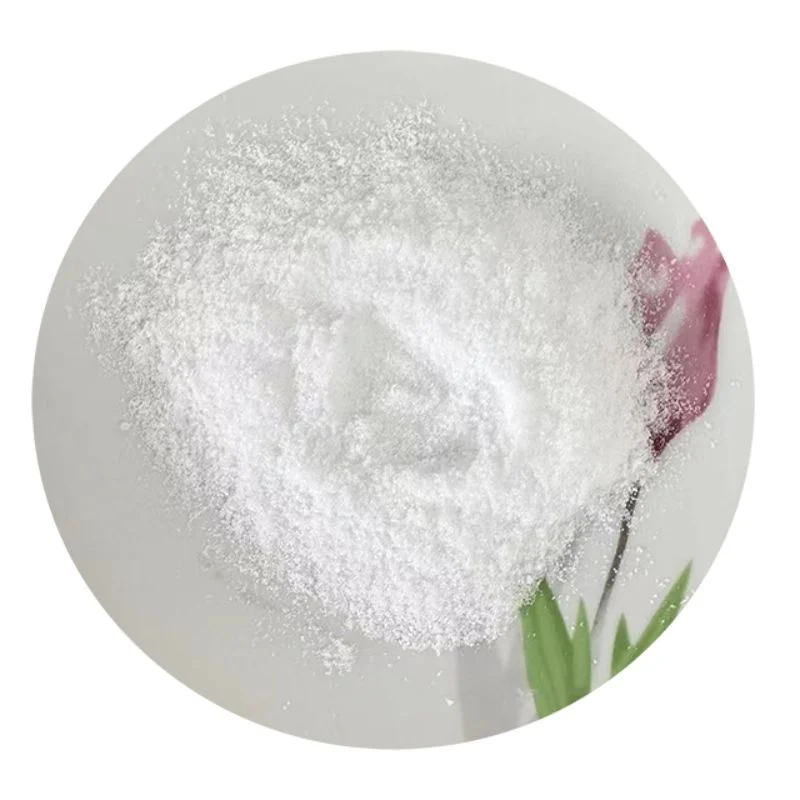
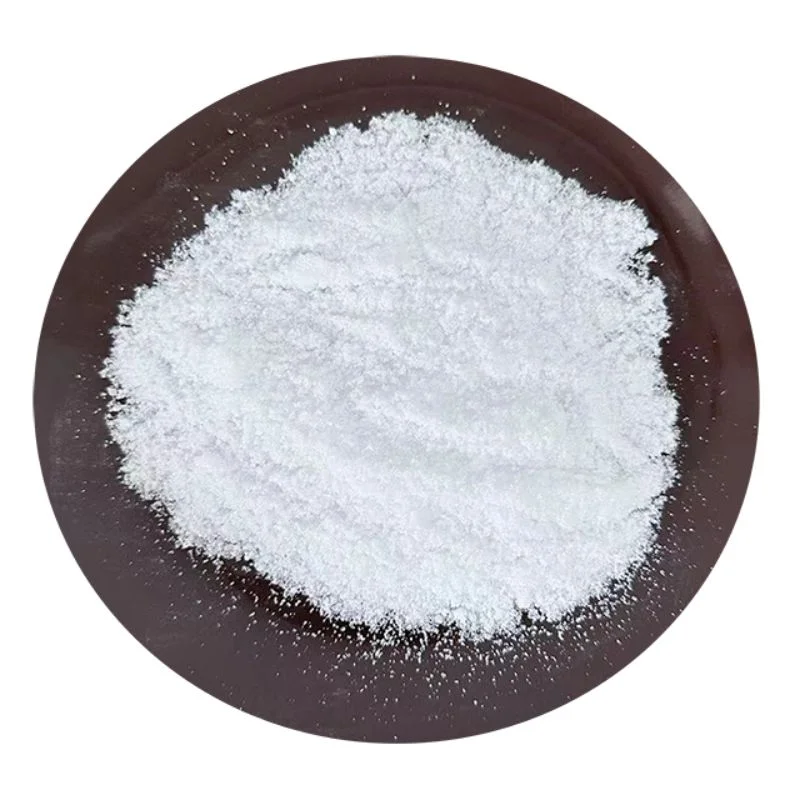
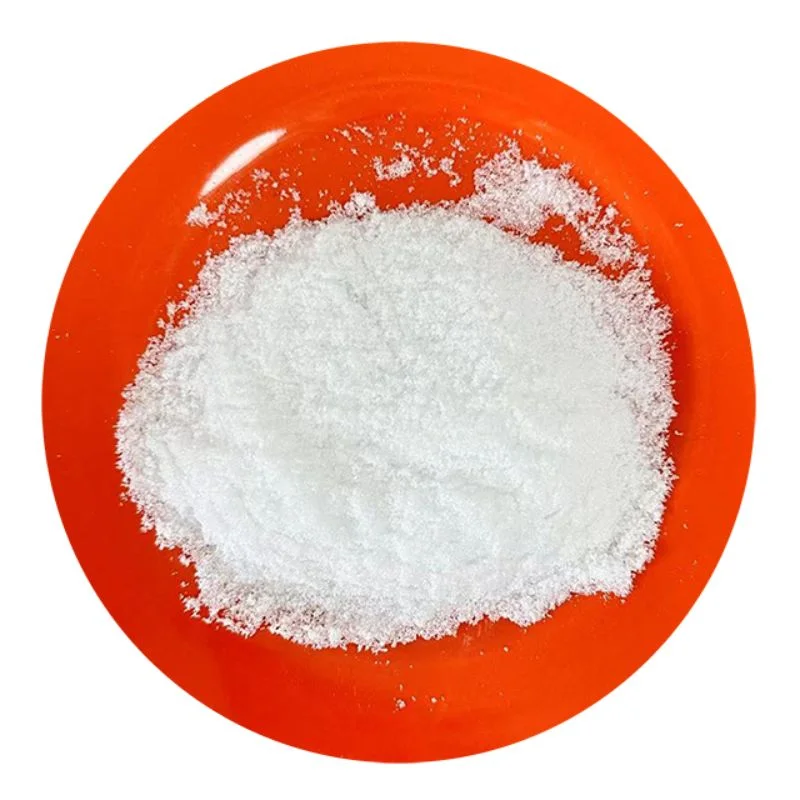
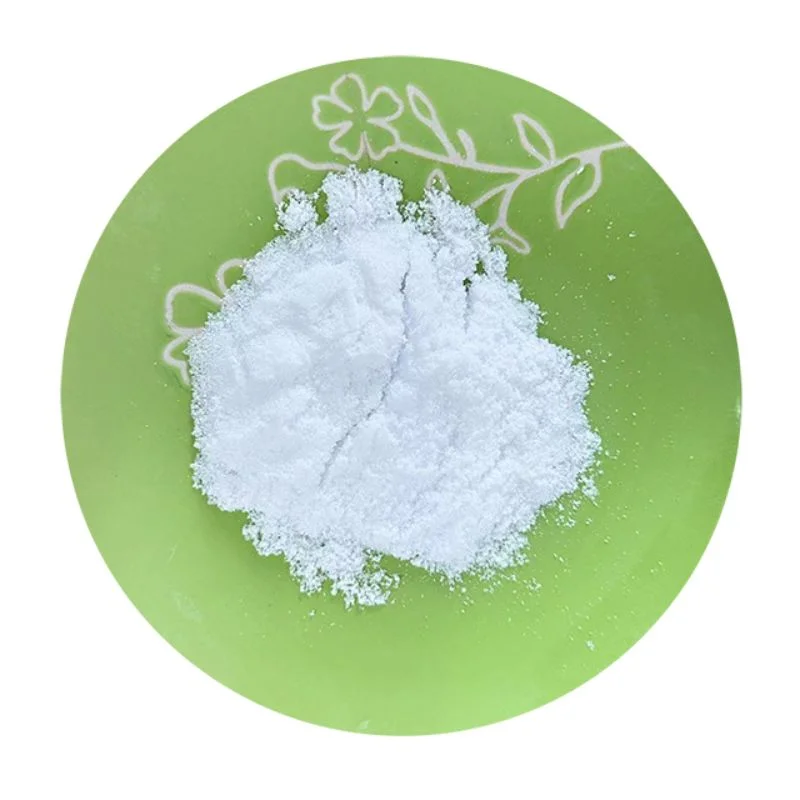
ColorWhitePhysical formCrystalline , Powder
-
CAS No.5329-14-6Purity99.5%
-
AppearanceWhite Crystal PowderApplicationDescaling, Water Treatment, Metal Cleaning, Electr
-
ClassificationSulfuric Acid, Organic AcidEINECS No.226-218-8
-
Grade StandardIndustrial GradeMolecular FormulaNH2SO3H
-
Other NamesAmidosulfonic Acid, Sulphamic AcidProduct NameSulfamic Acid
-
Molecular Weight97.09SolubilitySoluble in Water
-
Density2.13 g/cm³MOQ1 MT
-
Packaging25kg Bag, 500kg Bag, 1000kg Jumbo BagSupply Ability5000 MT per Month
-
SampleAvailableCertificateCOA, MSDS, TDS, ISO
Metal-cleaning and pickling assessments should begin with the actual metal and the surface condition that needs attention. This sulfamic acid is described as industrial white crystal powder with stated purity of 99.5%. Its formula is NH2SO3H.
Set the surface acceptance criteria before the trial
Describe the metal, the material present on the surface and the outcome required by the project. Agree which observations will determine acceptance of the sample in the intended process. A general pickling use label does not establish compatibility with every metal or guarantee a particular cleaning result.
Read the sulfamic acid analysis with its reporting basis
Request current identity and purity documents for the powder supplied for evaluation. Include any impurity requirements relevant to the intended surface process. Keep the material analysis separate from conclusions about corrosion behaviour, exposure conditions or finished-surface quality.
Confirm physical information without assuming a recipe
The stated density is 2.13 g/cm³, and the material is reported as soluble in water. Ask for the density method and any particle information needed for a meaningful comparison. These descriptions do not specify a preparation concentration, contact time or operating temperature.
- Record the substrate and agreed surface criteria.
- Review current material and handling documents.
- Retain the observations from the actual-process assessment.
Descaling and water-treatment enquiries need their own qualification. Keep each result associated with the sample actually tested, and review the applicable technical evidence before deciding whether the material meets the intended use.