Mica Inorganic Pigment Powder for Ink, Shimmer, Glitter and Pearl Effect Evaluation
-
Physical formPowder
-
Physical FormPowderCAS No.1569-01-3
-
Model NumberMica PowderEINECS No.236-675-5
-
Molecular FormulaMica/Tio2,Other NamesMica Powder
-
StyleInorganic PigmentTypeTitanium
-
UsageInk Pigments, Ceramic PigmentsProduct namePaint
-
ApplicationPaint Coatings Printing Ink.plasticColorMulti Color
-
AppearanceFine PowderMain usageInk Paint Coating Plastic Textile
-
FormPower Form
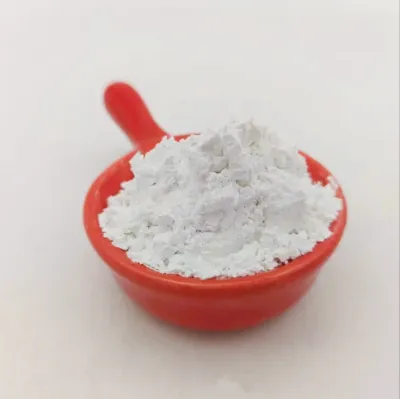
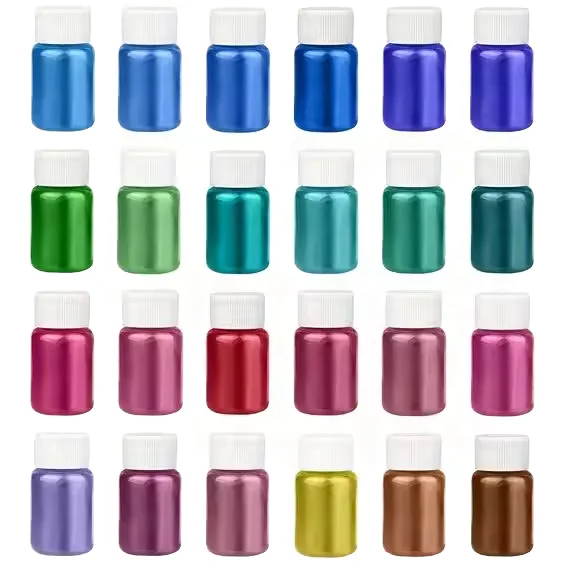
An effect-pigment enquiry needs a specific colour sample and a defined application vehicle. This fine inorganic pigment powder has a mica designation, with multicolour and shimmer, glitter or pearl descriptions. Ink, ceramic, paint, coating, plastic and textile uses are named enquiry directions.
Select the actual colour and effect sample
Ask which grade and sample correspond to the intended appearance. Define the visual comparison conditions and the result required by the project. A broad multicolour description does not identify a particular shade or establish the same effect in every formulation.
Confirm composition before assigning a pigment structure
Request current composition and identity documents for the selected material. Obtain any phase or surface information needed by the formulation team. The mica designation should not be turned into a pure titanium-dioxide identity or an assumed coating architecture without the relevant evidence.
Test the ink or coating vehicle that will be used
Describe the vehicle, processing route and appearance criteria before evaluating the sample. Compare the actual printed or coated result under agreed conditions. Plastic, ceramic and textile projects require their own suitable test programme rather than inheriting an ink-trial conclusion.
Match specialist-use documents to the project
Cosmetic enquiries require applicable grade and safety qualification of their own. Request relevant documents for the actual material rather than relying on a descriptive label. Keep the chosen colour sample, composition report and application results together before making a final pigment-selection decision.